Ancient Aboriginal Dingo Burial Reveals 1,000-Year-Old Rituals of Care and Reverence
Nearly a thousand years ago, along the banks of the Darling River in what is now New South Wales, Australia, the ancestors of the Barkindji people—known today as the Paakantyi or “River People”—laid a dingo to rest in a mound of river mussel shells. The burial, recently studied by archaeologists, was not merely a disposal of remains but a deliberate act of reverence, with the grave maintained and added to by generations for hundreds of years. The discovery challenges modern assumptions about human-animal relationships in Indigenous cultures and offers a rare glimpse into how ancient Australians viewed their closest animal companions.
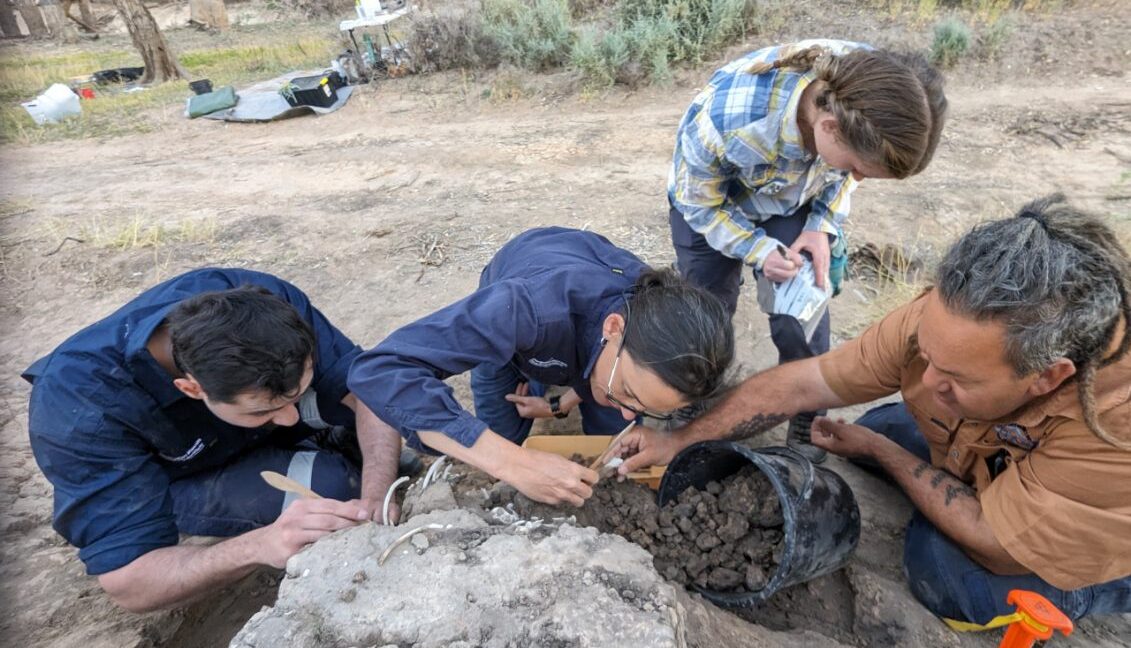
The site, now part of Kinchega National Park, was uncovered when eroding riverbanks exposed bones protruding from a road cut. What followed was a collaboration between Barkindji Elders and archaeologists to excavate and analyze the burial—a dingo, or garli in the Barkindji language, interred with the same care as a human. The findings, published in a recent study, suggest that dingoes were not just tools or predators but deeply valued members of the community, their deaths marked by rituals akin to those for humans.
“This burial is extraordinary,” said Dr. Amy Way, an archaeologist at the Australian Museum and the University of Sydney, who co-authored the study. “The way the dingo was placed—on its left side, surrounded by shells—and the fact that the site was actively maintained for centuries, tells us these animals were not just tolerated but cherished.”
The study, titled Garli: A millennium-old dingo burial on the Baaka (Darling River), details how the burial mound—originally constructed around 1,000 years ago—was expanded over the following 500 years. Shells from river mussels were deliberately arranged around the dingo’s remains, a practice not documented in other Australian archaeological sites of the period. The precision of the burial, including the positioning of the animal, mirrors techniques used for human interments in the region.
Who Were the Paakantyi, and Why Does This Discovery Matter?
The Barkindji (or Paakantyi) are the Traditional Owners of the land along the Darling River, an area spanning approximately 19,000 square kilometers in Far West New South Wales. Their name, Paakantyi, translates to “River People,” reflecting their deep connection to the Baaka (Darling River), which has sustained their communities for millennia. Historically, they spoke the Paakantyi language, one of the three major Aboriginal languages of the Broken Hill region, and their territory extended inland to the Paroo River and Broken Hill itself.
The discovery of the garli burial underscores a long-overlooked aspect of Indigenous relationships with dingoes. While dingoes are often perceived today as wild animals or pests, archaeological evidence suggests they played a more complex role in Aboriginal societies. The meticulous care given to this burial—including the use of shells, a material associated with ritual significance in many Aboriginal cultures—implies a spiritual or familial bond. “Dingoes were not just animals to the Barkindji,” said Uncle Badger Bates, a Barkindji Elder and Traditional Owner. “They were part of our stories, our laws, and our lives.”
The Science Behind the Discovery: How Archaeologists Uncovered the Truth
The burial site was first identified in 2021 when Bates and Dan Witter, an archaeologist with the New South Wales National Parks and Wildlife Service, noticed bones eroding from a roadside cutting in Kinchega National Park. Bates, recognizing the bones as those of a dingo, alerted authorities, leading to a formal excavation. Radiocarbon dating confirmed the primary burial occurred around 1,000 years ago, with later additions to the mound dating up to 500 years after the initial interment.
The use of river mussel shells is particularly significant. Shell middens—accumulations of shells from feasts—are common in Aboriginal archaeology, but their deliberate arrangement around a burial is rare. “Shells were not just food waste,” explained Way. “They were a medium for communication with the land and the ancestors. To see them used in this way for a dingo suggests a level of respect and spiritual connection that we haven’t fully appreciated before.”
What the Burial Reveals About Aboriginal Culture and Animal Companionship
The garli burial challenges stereotypes about Indigenous relationships with animals, particularly dingoes, which are often framed in colonial narratives as threats to livestock or pests. Instead, this discovery aligns with growing archaeological evidence that Aboriginal peoples viewed many animals—including dingoes, kangaroos, and eagles—as kin or spiritual guides. “This is about recognizing that Indigenous cultures have always had complex, nuanced relationships with the natural world,” said Way. “Dingoes were not just hunted; they were companions, protectors, and participants in cultural narratives.”
The maintenance of the burial site over centuries further highlights the Barkindji commitment to their ancestors—whether human or animal. “When we talk about Indigenous land management, we often focus on plants and water,” said Bates. “But this shows that animals were part of that care too. The dingo was buried with honor, and that honor was passed down through generations.”
Broader Implications: How This Discovery Reshapes Our Understanding of Australia’s Past
The garli burial is not just a local story but a global one, offering new insights into how ancient societies viewed animals and their place in spiritual and social structures. Similar discoveries in other parts of the world—such as the burial of dogs with humans in ancient Europe or the veneration of animals in Mesoamerican cultures—suggest that companion animals have long held sacred status. In Australia, however, such findings are rare, making this study particularly valuable.
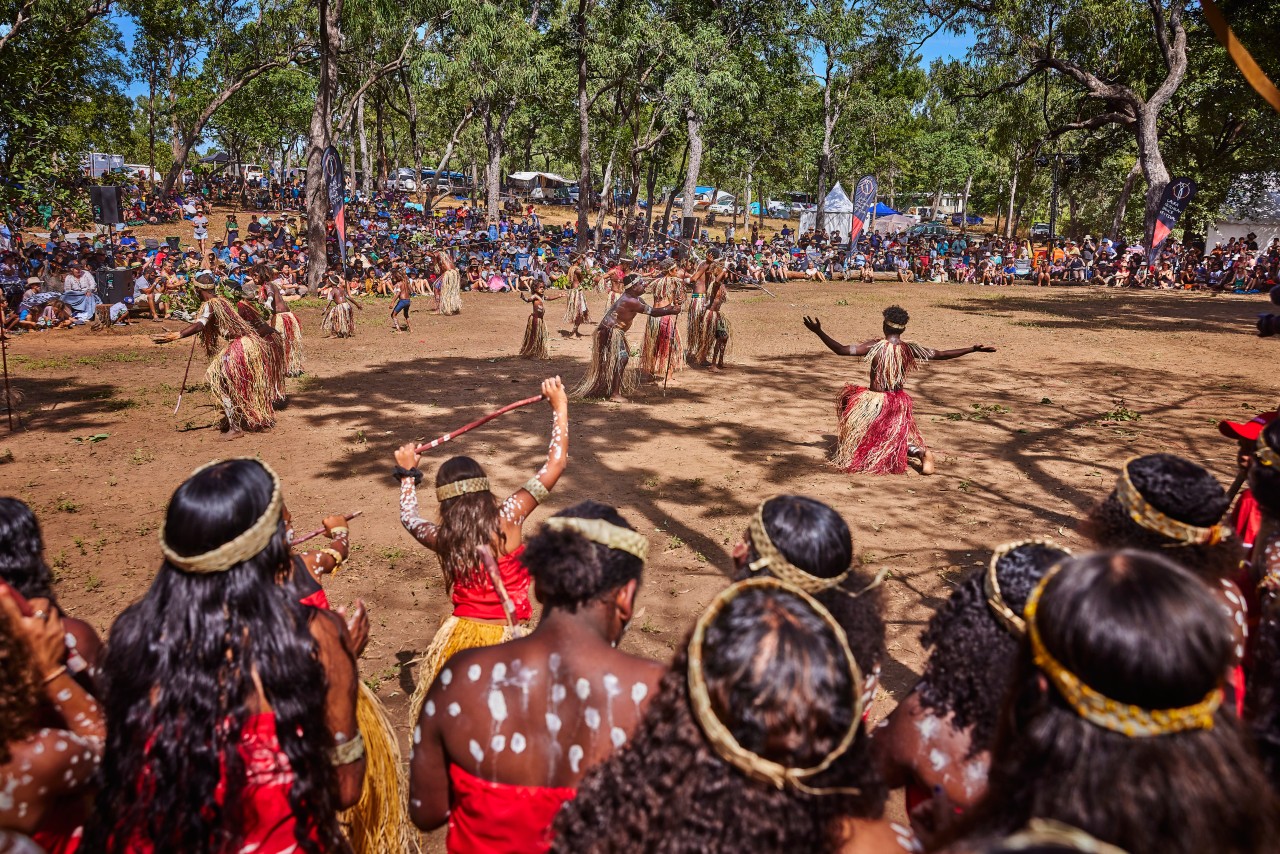
For the Barkindji, the discovery is also an act of cultural affirmation. “This burial tells us that our people have always known the value of all life,” said Bates. “It’s not just about the past; it’s about reminding everyone that Indigenous knowledge has always been holistic—it includes animals, land, and people as one.”
What Happens Next? Preserving the Site and Honoring the Past
The New South Wales government has committed to protecting the burial site as part of Kinchega National Park’s ongoing conservation efforts. Collaborations between Barkindji Elders, archaeologists, and park rangers are underway to ensure the site remains undisturbed and accessible for future study. “This is a living site,” said Witter. “The Barkindji have been its caretakers for generations, and we’re honored to continue that work together.”
The study’s findings will also inform broader discussions about Indigenous land management and the role of animals in cultural practices. As climate change and land-use pressures threaten Australia’s fragile ecosystems, such discoveries serve as a reminder of the deep ecological wisdom embedded in Aboriginal traditions.
Key Takeaways
- Millennium-old ritual: The garli burial dates back nearly 1,000 years, with the site maintained for 500 years afterward.
- Cultural significance: Dingoes were not mere animals but held spiritual and familial importance in Barkindji society.
- Archaeological innovation: The use of river mussel shells in the burial is a rare example of deliberate ritual arrangement in Australian archaeology.
- Collaborative discovery: The site was uncovered through partnership between Barkindji Elders and government archaeologists.
- Global parallels: The burial aligns with other ancient cultures’ practices of honoring companion animals.
- Ongoing protection: The NSW government is working with the Barkindji to preserve the site within Kinchega National Park.
This discovery is a testament to the enduring wisdom of Indigenous cultures and the importance of listening to the land’s stories. As research continues, it may offer even deeper insights into how ancient Australians lived in harmony with their environment—and how we can learn from those lessons today.
What does this discovery tell us about our own relationships with animals? Share your thoughts in the comments below—or tag us on social media with #GarliBurial to join the conversation.
- Digital Detox on Vacation: Why Most People Struggle and 3 Simple Tips
- Netflix Shuts Down Night School Studio and Moonloot as Indie Publisher Nakana.io Closes
- Why Cat Pupils Are Vertical Slits and Dogs' Are Round (daybreakwire.com)
- Emmerdale Spoiler Alert: Mack and Ross’s Relationship in Shambles – What’s Next for the Torrey Twins? Emmerdale Latest Drama, Mack and Ross Change, Ross Griffin Update (archyworldys.com)