
Sofia, Bulgaria — May 19, 2026 Russian President Vladimir Putin arrived in Beijing today for a two-day state visit at the invitation of Chinese President Xi Jinping, a move that comes just days after former US President Donald Trump concluded his own high-profile trip to China. The timing of Putin’s visit has sparked global speculation about the strengthening Sino-Russian alliance and its potential to counter Western influence, particularly in the context of the ongoing war in Ukraine and energy security in Europe.
While official agendas remain tightly guarded, diplomatic sources indicate that discussions will focus on deepening strategic cooperation, particularly in energy, technology, and regional security. The visit follows a period of intensified diplomatic activity between Moscow and Beijing, raising questions about whether a formalized “Eurasian axis” is emerging—one that could reshape alliances in the Middle East and challenge US dominance in global affairs.
This article examines the key objectives of the Putin-Xi summit, the potential fallout for Ukraine and European energy markets, and whether this visit marks a turning point in 21st-century geopolitics.
Why This Visit Matters: The Geopolitical Chessboard
Putin’s visit to China follows a pattern of increasingly coordinated diplomacy between the two powers. Since Russia’s full-scale invasion of Ukraine in 2022, China has maintained a carefully calibrated stance—providing economic support to Moscow while avoiding direct military involvement. However, recent months have seen a noticeable shift in rhetoric and cooperation, with both leaders publicly emphasizing the need for a “multipolar world” that reduces Western hegemony.

Analysts at the RAND Corporation note that Russia’s engagement in the Middle East—particularly its deepening ties with Iran and Syria—has created a natural alignment with China’s Belt and Road Initiative. The current visit may serve as a platform to formalize these connections, potentially including Iran as a third pillar of a new Eurasian bloc.
For the West, the visit raises alarms about a potential “axis of resistance” emerging in Eurasia. While China has not explicitly endorsed Russia’s actions in Ukraine, its refusal to condemn the war and continued trade with Moscow have already strained relations with NATO members. The current summit could further solidify this alignment, with implications for global energy markets and security policies.
Key Agenda Items: What to Expect from the Summit
While exact details remain classified, diplomatic circles in Beijing and Moscow have identified several priority areas for discussion:
- Energy Cooperation: Both nations are expected to finalize agreements on gas pipelines and alternative energy routes, potentially including the controversial Power of Siberia 2 project, which would deliver Russian gas to China while bypassing European markets.
- Ukraine War: Though China has avoided direct criticism of Russia’s actions, Xi may privately urge restraint to prevent further international isolation. However, public statements are likely to emphasize sovereignty and non-interference.
- Middle East Strategy: With Iran’s nuclear program and regional conflicts in flux, Russia and China may coordinate a joint approach to stabilize the area, potentially at the expense of US and Saudi interests.
- Technology and AI: Both countries are racing to dominate next-generation technologies, and the summit may include deals on semiconductor production and artificial intelligence collaboration.
The Ukraine Factor: Can China Pressure Russia?
One of the most closely watched aspects of the visit is whether China will use its influence to push Russia toward a negotiated settlement in Ukraine. While Beijing has repeatedly stated that it supports a “political solution,” its refusal to impose sanctions or cut ties with Moscow has left Kyiv frustrated. Some Ukrainian officials have privately suggested that China’s stance may be softening, but no concrete shifts have been observed.
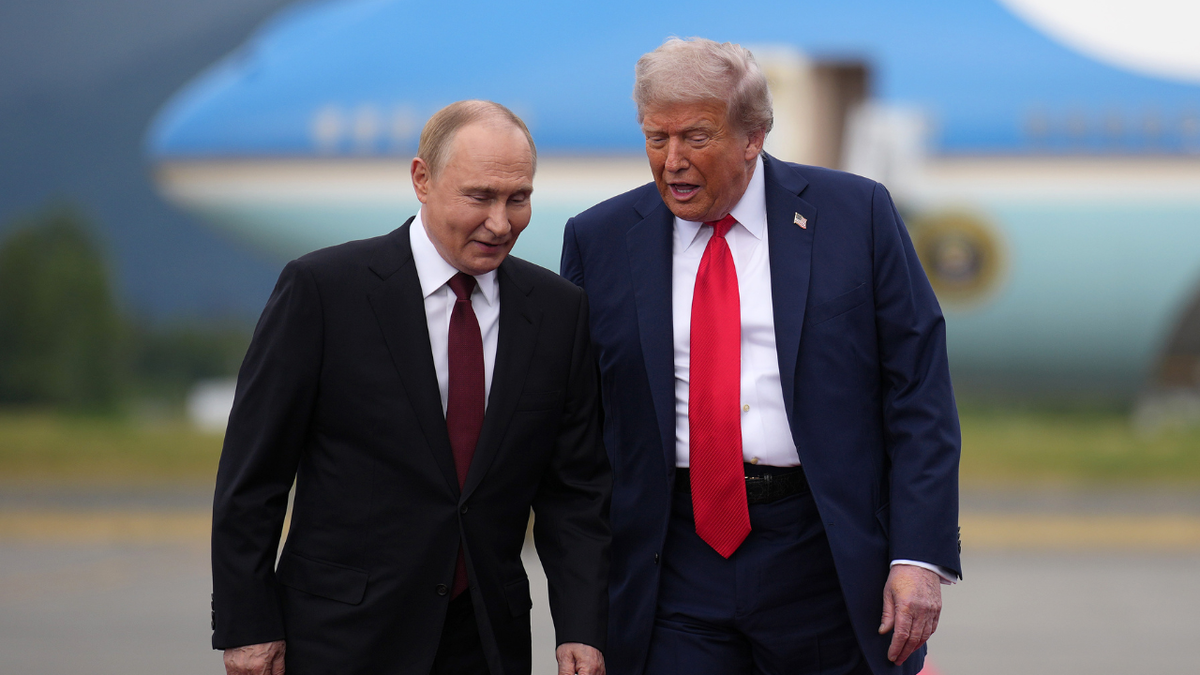
A recent Reuters report cited anonymous diplomats indicating that Xi may raise concerns about the war’s humanitarian impact, though any such discussions are likely to be framed in broad terms to avoid alienating Putin.
For now, Russia shows no signs of altering its Ukraine strategy. Military operations continue unabated, and Moscow has accelerated arms production with Chinese assistance. The current visit appears more focused on long-term strategic alignment than immediate crisis management.
Economic Realities: Who Benefits?
Beyond geopolitics, the economic dimensions of the Putin-Xi relationship are equally significant. China remains Russia’s largest trading partner, accounting for nearly 40% of its total exports in 2025, primarily energy resources. The current visit is expected to expand this trade further, with potential deals on:
- Liquefied Natural Gas (LNG) exports from Russia’s Arctic ports.
- Joint ventures in electric vehicle and battery production.
- Expansion of the China-Russia Investment Fund, now valued at over $50 billion.
For Europe, these developments pose a double challenge: reduced gas supplies from Russia and increased competition from Chinese-backed energy projects. The European Commission has already signaled concerns, with Executive Vice-President Margrethe Vestager warning that “energy dependencies on non-democratic partners must be minimized.”
Looking Ahead: What Happens Next?
The outcomes of this summit will likely unfold over the coming weeks, with key developments to watch:
- Joint Statements: Official communiqués will be closely scrutinized for any mention of Ukraine, Taiwan, or US sanctions. Avoidance of direct criticism of Russia would signal continued alignment.
- Economic Announcements: Expect detailed press releases on energy, technology, and infrastructure deals. These will be followed by stock market reactions in both countries.
- Diplomatic Follow-Ups: High-level visits between the two nations are likely to continue, with potential stops in Iran and other regional partners.
- Western Response: The US and EU will monitor for signs of coordinated action against NATO interests, particularly in the Indo-Pacific and Middle East.
Key Takeaways
- Strategic Alignment: Putin’s visit confirms the deepening Sino-Russian partnership, with energy and technology at its core.
- Ukraine Standoff: No immediate breakthroughs are expected, but China may use the visit to subtly encourage restraint.
- Economic Impact: Expanded trade will benefit both nations but could further isolate Russia from Western markets.
- Global Power Shift: The visit underscores the rise of a multipolar world, challenging US-led global order.
- Middle East Implications: Potential coordination with Iran could reshape regional alliances and conflict dynamics.
What’s Next?
The next major checkpoint will be the release of the joint press conference following the summit, expected on May 21, 2026. Official statements from both the Kremlin and Chinese Foreign Ministry will provide clarity on any new agreements. For real-time updates, follow:
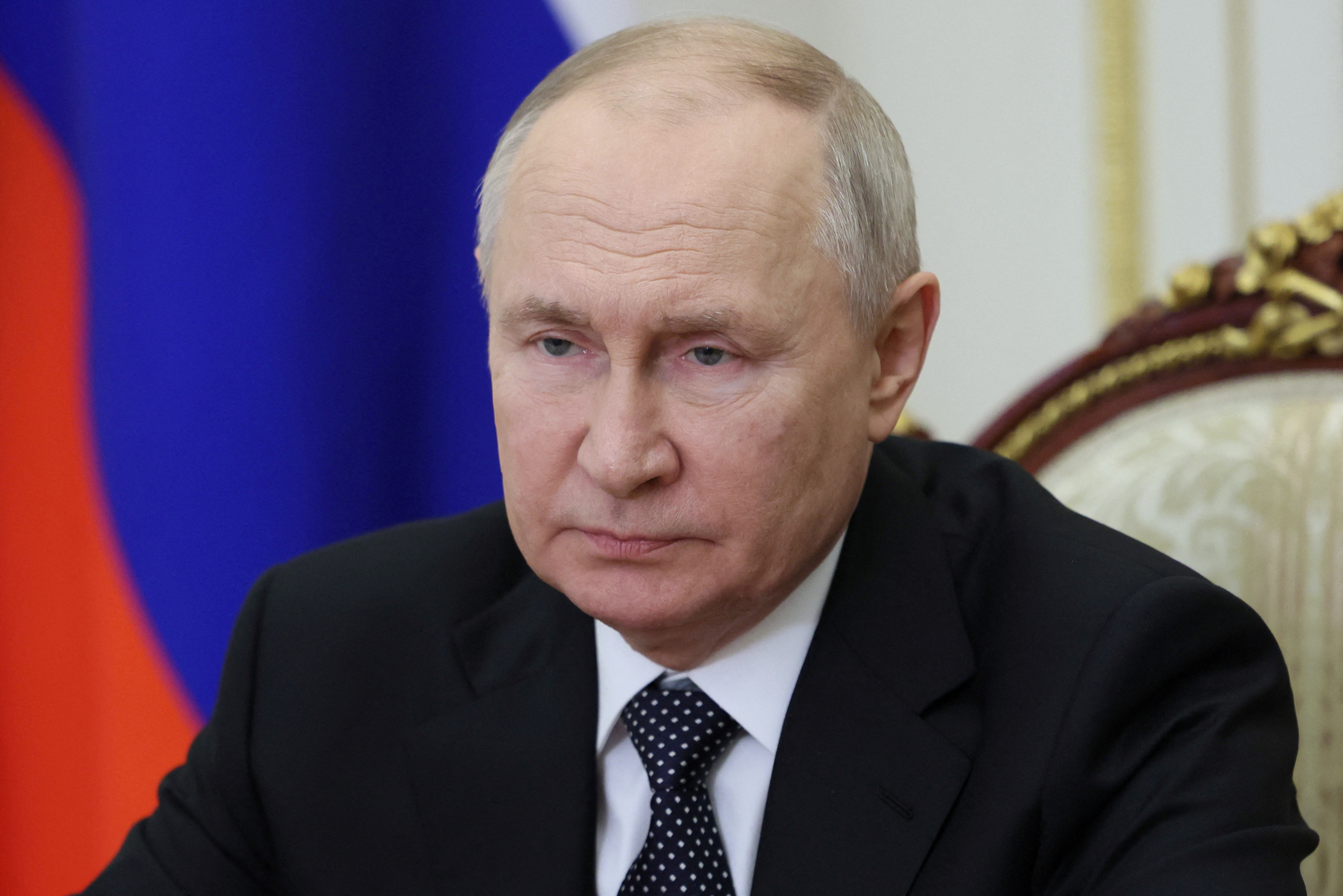
As the world watches this high-stakes diplomatic engagement, one question looms large: Is this the beginning of a new era in global power dynamics, or merely another chapter in the long-standing rivalry between East and West?
Share your thoughts in the comments below or on our social media channels. What do you think this summit means for global stability?
Worth a look
- Iran Rejects Trump’s Claim Over Strait of Hormuz: “Cannot Be Seized by a Tweet
- Disney Praises Global Success of Korean Content at D23
- Trump Claims Total US Control of Strait of Hormuz as Iran Rejects Assertions (archyworldys.com)
- Ukraine Introduces Standardized HR Document Templates for Legal Entities (newsdirectory3.com)