As modern warfare evolves, so too does the technology that shapes it. One of the most transformative—and often overlooked—factors in this shift is the influence of video games. Far from being mere entertainment, gaming has become a critical training tool, a strategic planning resource and even a battlefield simulator for military forces worldwide. Andrei Serbin, a prominent expert in military strategy and technology, has highlighted how video games are reshaping warfare in ways that were unimaginable just a few decades ago. But how exactly are these digital worlds altering the way armies operate, and what does this mean for the future of combat?
The intersection of gaming and military strategy is not new, but its depth and scope have expanded dramatically in recent years. From first-person shooters like Call of Duty to immersive tactical simulations such as Arma and Battlefield, video games have provided soldiers with hands-on experience in virtual environments that mirror real-world combat scenarios. This training method is not only cost-effective but also allows for high-risk, low-consequence practice—something traditional boot camps cannot replicate. Serbin and other military analysts argue that these games have become indispensable in preparing troops for modern conflicts, where technology and precision are paramount.
Yet the impact of gaming extends beyond individual training. Military strategists now use video game engines to model entire battlefields, test logistics, and even simulate large-scale operations. For instance, the U.S. Army has reportedly leveraged gaming technology to enhance its unmanned aerial vehicle (UAV) operations, allowing commanders to refine tactics before deploying real drones. Meanwhile, nations like Russia and China have integrated gaming-inspired strategies into their military doctrines, recognizing the tactical advantages of digital preparation.
How Video Games Are Redefining Military Training
One of the most significant ways video games are changing warfare is through virtual training simulations. Modern military forces are increasingly turning to games that replicate combat scenarios with stunning realism. These simulations allow soldiers to practice everything from urban warfare to counterterrorism operations without the risks associated with live exercises. For example, the U.S. Marine Corps has used America’s Army, a game developed in collaboration with the military, to train recruits in marksmanship and teamwork. The results have been measurable: studies suggest that gamers often exhibit superior hand-eye coordination, spatial awareness, and decision-making under pressure—skills directly transferable to battlefield situations.
But the benefits aren’t limited to individual performance. Multiplayer online games have also become platforms for collective training. Units from different branches or even different countries can engage in joint exercises within a virtual space, honing their ability to coordinate across diverse teams. This collaborative approach is particularly valuable in modern conflicts, where alliances and multinational forces are the norm. Serbin has emphasized that these virtual drills foster adaptability, a critical trait in today’s fluid and unpredictable battlefields.
However, the rise of gaming in military training has not been without controversy. Critics argue that over-reliance on virtual simulations could lead to a disconnect between digital and real-world experiences. Some veterans have reported feeling underprepared for the psychological intensity of actual combat, despite extensive gaming practice. The military has responded by integrating hybrid training programs, combining virtual simulations with traditional drills to ensure a balanced approach.
The Role of Gaming in Strategic Planning and Warfare Simulation
Beyond training, video games are playing an increasingly vital role in strategic planning. Military strategists use game engines to create detailed 3D models of potential battlefields, allowing them to test different tactics and assess their effectiveness before committing resources. This approach is particularly useful in asymmetric warfare, where unconventional tactics and terrain play a decisive role. For instance, games like Arma 3 have been used to simulate guerrilla warfare scenarios, helping forces prepare for conflicts in complex environments such as urban areas or dense forests.

One of the most groundbreaking applications of gaming technology is in logistics and resource management. Military planners can simulate supply chain disruptions, fuel shortages, or medical evacuations within a virtual environment, identifying weaknesses in their strategies before they become critical in real operations. This proactive approach has reduced the risk of costly mistakes and improved operational efficiency.
Serbin has also pointed out that gaming has influenced cyber warfare strategies. Many military cyber units now use game-like platforms to simulate hacking operations, network defense, and digital espionage. These virtual exercises help identify vulnerabilities in systems and train personnel to respond swiftly to cyber threats—a growing concern in modern warfare.
Ethical and Psychological Considerations
While the benefits of gaming in warfare are undeniable, they also raise important ethical questions. The psychological impact of violent video games on soldiers is a topic of ongoing debate. Some researchers argue that prolonged exposure to virtual combat could desensitize individuals to real violence, while others believe that controlled, structured gaming can actually help soldiers process trauma in a safe environment. The military is still grappling with how to strike the right balance between leveraging gaming for training and mitigating its potential harms.
Another ethical concern is the blurring of lines between entertainment and military preparation. As gaming technology becomes more advanced, it raises questions about whether certain games are effectively serving as recruitment tools for military forces. For example, games like Call of Duty have been accused of glorifying warfare, potentially influencing young minds to join the military. While the military denies using games as direct recruitment tools, the connection between gaming culture and military interest is undeniable.
The Future: What’s Next for Gaming in Warfare?
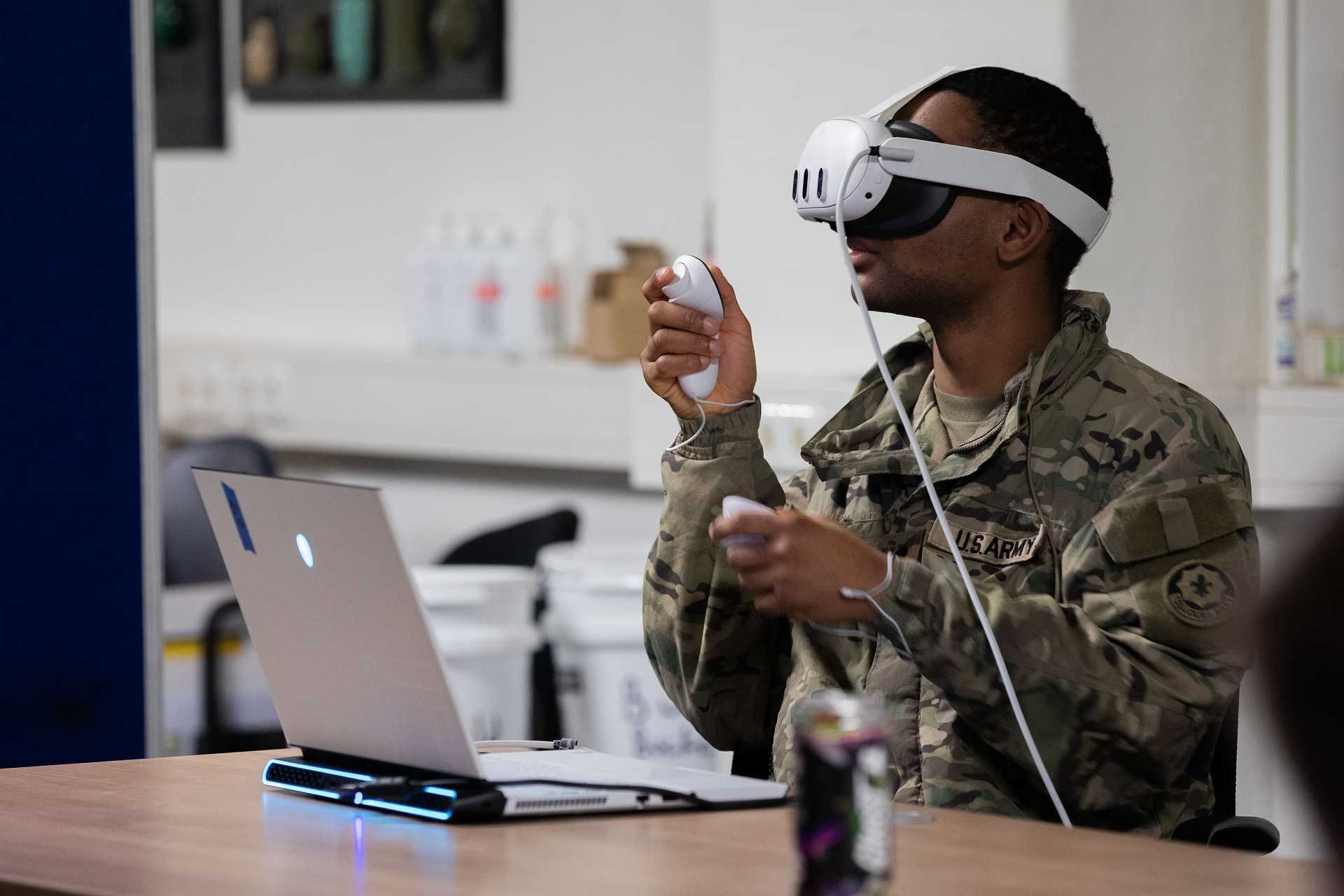
Looking ahead, the integration of video games into military operations is only set to deepen. Advances in virtual reality (VR) and augmented reality (AR) are poised to revolutionize training further, offering even more immersive and realistic experiences. The U.S. Army, for instance, has already begun experimenting with VR headsets to simulate combat scenarios, providing soldiers with a more intuitive and engaging training environment.
the rise of artificial intelligence (AI) in gaming is opening new possibilities for military strategy. AI-driven simulations can generate infinite scenarios, allowing forces to test their responses to unpredictable situations. This adaptability is crucial in an era where threats are constantly evolving, from drone warfare to cyberattacks.
Serbin and other experts predict that gaming will continue to play a pivotal role in shaping the future of warfare. However, they also caution that the military must remain vigilant about the ethical implications and ensure that technology is used responsibly. The goal, as Serbin puts it, is to harness the power of gaming without losing sight of the human element in combat.
Key Takeaways
- Virtual Training: Video games provide cost-effective, high-risk, low-consequence training for soldiers, improving skills like marksmanship and teamwork.
- Strategic Planning: Military strategists use game engines to model battlefields, test logistics, and simulate large-scale operations.
- Cyber Warfare: Gaming platforms are increasingly used to train personnel in cyber defense and offensive operations.
- Ethical Concerns: The psychological impact of violent games and the blurring of entertainment with military preparation remain key debates.
- Future Innovations: VR, AR, and AI are set to further integrate gaming into military training and strategy.
As the lines between digital and real-world combat continue to blur, one thing is clear: video games are no longer just a pastime—they are a cornerstone of modern warfare. The challenge for military forces worldwide will be to leverage this technology wisely, ensuring that it enhances their capabilities without compromising the values and ethics that define their missions.
For those interested in following this evolving landscape, keep an eye on official military publications, such as the U.S. Army’s Military Review, and advancements in VR and AI integration in defense strategies. The next chapter in gaming’s role in warfare is already being written—and it promises to be as dynamic as the digital worlds that inspired it.
What are your thoughts on the intersection of video games and military strategy? Share your insights in the comments below, and don’t forget to share this article with fellow enthusiasts of technology and defense.
Worth a look