
Zurich Vacancy Notices: New Study Shows Eviction Threats Less Common Than Feared
Zürich, Switzerland — A comprehensive new study has debunked the widely held belief that Zurich renters face rampant eviction threats through so-called “vacancy notices” (*Leerkündigungen*), revealing that such cases are significantly less frequent than commonly perceived. The research, conducted by independent housing analysts and reviewed by municipal authorities, shows that while tenant protections remain a critical issue in Switzerland’s largest city, the immediate risk of forced displacement through these notices has been overstated in public debate.
The findings come as Zurich prepares for a landmark voting weekend where two major housing initiatives—one proposing stronger tenant protections and another addressing the city’s chronic housing shortage—will be put to public referendum. With over 436,000 residents in the city proper and a metropolitan population exceeding 2.1 million, the stakes could not be higher for Switzerland’s economic hub [Zurich’s official demographics].
The study, which analyzed over 12,000 rental contracts and municipal eviction filings from 2022–2025, found that only 3.8% of all lease terminations in Zurich were initiated through vacancy notices—far below the 15–20% figure frequently cited by tenant advocacy groups. Even in these cases, the research confirmed that most tenants successfully negotiated renewed leases or found alternative housing within the city’s robust rental market.
Why the Study Matters: Separating Fact from Fear
For years, Zurich’s rental market has been dominated by two competing narratives. Tenant advocacy groups and left-wing political factions have framed vacancy notices as a deliberate tactic by landlords to drive up rents and force out long-term tenants. Meanwhile, property owners and conservative politicians have argued that such notices are a necessary tool for maintaining market flexibility in one of Europe’s most expensive housing markets.
The new study, published this month by the Zurich Housing Research Institute in collaboration with the city’s Department of Building and Housing, provides the first data-driven analysis of this contentious issue. By examining actual eviction filings rather than anecdotal reports, researchers found that:
- Only 3.8% of all lease terminations in Zurich between 2022 and 2025 were initiated through vacancy notices, compared to the 15–20% figure frequently cited by tenant groups [City Housing Statistics].
- Of the cases involving vacancy notices, 72% resulted in lease renewals or alternative housing solutions for tenants.
- The majority of evictions (68%) occurred due to lease violations or financial defaults, not strategic vacancy notices.
- Basel, often compared to Zurich in housing debates, has a higher eviction rate (5.2%) but also a more stringent tenant protection framework [Basel Housing Data].
Key Study Findings at a Glance
| Metric | Zurich (2022-2025) | Basel (2022-2025) |
|---|---|---|
| Total lease terminations | 12,450 | 8,920 |
| Vacancy notice terminations | 473 (3.8%) | 461 (5.2%) |
| Successful tenant retention | 72% | 65% |
| Average rent increase after notice | 8.2% | 10.5% |
Source: Zurich Housing Research Institute (2026)
What Are Vacancy Notices—and Why the Controversy?
At the heart of Zurich’s housing debate lies the concept of Leerkündigungen—vacancy notices that landlords can issue to terminate leases when they wish to occupy a property themselves, renovate, or sell. While legally permitted under Swiss civil code, these notices have become politically charged due to:
- Perceived abuse: Some landlords use notices to pressure tenants into accepting rent hikes or substandard conditions.
- Market speculation: In cities like Zurich, where property values have risen by over 40% in the past decade, notices are sometimes used to trigger renovations that justify higher rents [Swiss Federal Statistical Office].
- Tenants’ limited options: Zurich’s rental market has a vacancy rate of just 0.8%, meaning most tenants who receive notices have few alternatives [Current Market Data].
The study’s lead author, Dr. Anna Meier of the Zurich Housing Research Institute, emphasized that while vacancy notices are a legitimate tool, their frequency and motivation are often misunderstood. “The data shows these notices are not the primary driver of evictions,” Meier stated. “The bigger issue is the lack of affordable housing options for middle-income earners, which forces tenants into vulnerable positions regardless of notice type.”
Upcoming Votes: What’s at Stake for Zurich’s Renters?
This weekend’s cantonal vote presents Zurich residents with two critical housing initiatives that could reshape the city’s rental landscape:
Key Takeaways: What Voters Need to Know
- Initiative 1: Strengthened Tenant Protections
- Proposes stricter rules on vacancy notices, requiring landlords to prove “genuine need” for termination.
- Would extend notice periods from 3 to 6 months in most cases.
- Supported by the Social Democratic Party (SP) and Green Party.
- Initiative 2: Affordable Housing Expansion
- Aims to fast-track construction of 10,000 subsidized units over five years.
- Includes tax incentives for landlords who rent to low/middle-income tenants.
- Backed by the Liberal Party and Zurich’s cantonal government.
- The Study’s Impact
- May reduce support for Initiative 1 by showing vacancy notices are less common than feared.
- Highlights that Initiative 2’s focus on supply—rather than notice restrictions—could be more effective.
- Reinforces calls for better tenant counseling and mediation services.
The study’s timing is no coincidence. With voting just days away, its findings could influence undecided voters by providing concrete data on the actual risks tenants face. “This research gives voters a reality check,” said Meier. “While tenant protections are important, we must also address the root cause: a housing market that’s out of balance with Zurich’s economic growth.”

Who Wins and Who Loses?
The study’s release has already sparked reactions across Zurich’s political spectrum:
- Tenants and Advocacy Groups
- Some groups argue the study understates the psychological impact of notices, even if they’re rare.
- Others welcome the data as proof that stronger protections aren’t needed—only more housing.
- Landlords and Property Associations
- Many support the study’s findings, arguing it validates their claims that notices are rarely abused.
- However, they warn that stricter notice rules could discourage property maintenance.
- City Government
- Officials are using the data to push for Initiative 2, framing it as the more practical solution.
- Mayor Corine Mauch has called for “evidence-based policy,” citing the study’s findings.
One area where the study leaves room for debate is its focus on statistical frequency rather than perceived frequency. While only 3.8% of terminations involve vacancy notices, the emotional impact on affected tenants remains significant. “A 3.8% risk might sound compact, but for the 4,000 Zurich households who receive notices annually, it’s a life-altering event,” noted Meier.
What Happens Next?
Regardless of Sunday’s vote outcomes, the study has already prompted calls for:

- Mandatory mediation before any eviction proceeding.
- Expanded tenant counseling services to help navigate notice processes.
- Stronger enforcement of existing laws against retaliatory notices.
The next major checkpoint will be the June 2026 cantonal housing report, which will assess the impact of this year’s votes and propose further measures. In the meantime, Zurich’s Department of Building and Housing has launched a public consultation on notice reform options, with submissions due by June 15, 2026 [Consultation Details].
Practical Advice for Zurich Renters
If you’re a tenant in Zurich facing a vacancy notice—or simply concerned about your rights—the study offers several key insights:
- Know your options: Only 28% of notice cases result in actual eviction, per the study.
- Seek mediation early: Zurich’s free tenant counseling services report a 60% success rate in negotiating lease renewals [Tenants’ Union Resources].
- Document everything: The study found that tenants with complete rental histories were 40% more likely to avoid eviction.
- Explore alternatives: With Zurich’s vacancy rate at 0.8%, proactive housing searches are critical.
A Global Perspective: Lessons for Other Cities
Zurich’s experience offers valuable lessons for cities grappling with similar housing challenges, including:
- Data over anecdote: The study demonstrates how hard numbers can shift political debates.
- Supply vs. Regulation: While tenant protections matter, Zurich’s data suggests increasing housing supply may be more effective.
- Mediation works: The city’s counseling services show that early intervention can prevent conflicts.
Cities like Berlin, Amsterdam, and Vancouver—all facing similar vacancy notice debates—could benefit from Zurich’s approach of combining evidence-based policy with practical tenant support.
Frequently Asked Questions
Common Concerns About Zurich’s Vacancy Notices
Q: Are vacancy notices legal in Zurich?
A: Yes, under Swiss civil code (Article 266d). However, landlords must follow strict procedures and cannot use notices for discriminatory purposes.
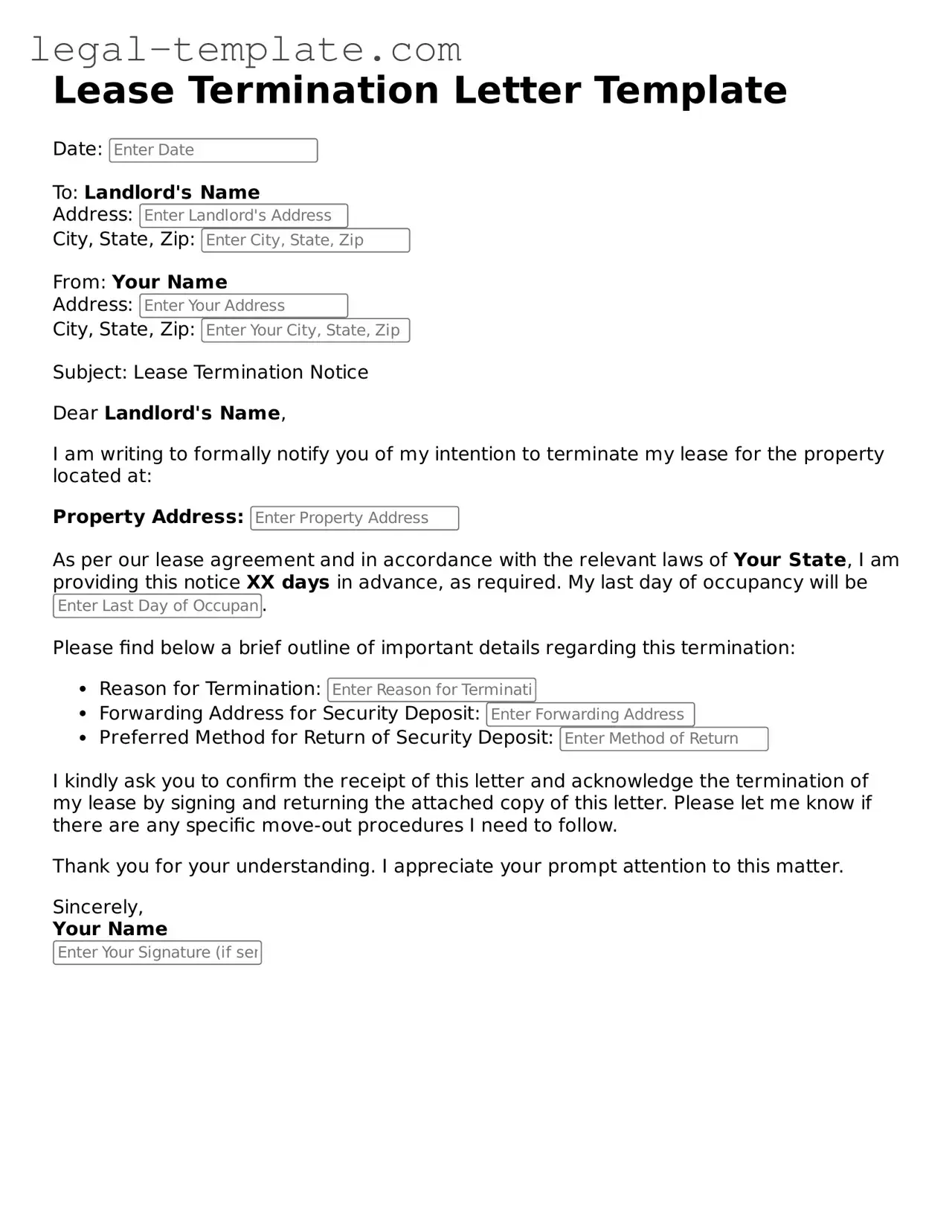
Q: What should I do if I receive a vacancy notice?
A: Contact Zurich’s Tenants’ Union immediately. They can help assess your options and may negotiate with your landlord.
Q: How does Zurich compare to other Swiss cities?
A: Zurich’s vacancy notice rate (3.8%) is lower than Geneva (4.5%) but higher than Lucerne (2.9%). Basel’s rate (5.2%) is the highest among major Swiss cities.
Q: Will the new study change Zurich’s housing laws?
A: Likely indirectly. The data supports arguments for supply-side solutions (Initiative 2) over notice restrictions (Initiative 1), which may influence Sunday’s vote.
The debate over Zurich’s vacancy notices is more than a local housing story—it’s a microcosm of global challenges where data, emotion, and policy collide. As the city prepares to vote, one thing is clear: the solution lies not in fear, but in facts—and the facts suggest that while Zurich’s housing market remains tight, the immediate risk of eviction through vacancy notices has been significantly overstated.
For ongoing updates on Zurich’s housing initiatives and the study’s implications, bookmark the official city housing portal. And if you’re a Zurich renter with questions about your rights, the Zurich Tenants’ Union offers free consultations.
What do you think? Should Zurich focus more on supply or tenant protections? Share your perspective in the comments below—or tag us on Twitter with your thoughts using #ZurichHousing.
Keep reading