As we navigate an era defined by rapid advancements in pharmacological weight management, the conversation around metabolic health has shifted toward how we can effectively manage glucose levels. While much public attention has focused on the emergence of injectable medications, medical professionals emphasize that the fundamental pillars of metabolic stability—blood sugar regulation and insulin sensitivity—remain rooted in lifestyle choices. For many, the goal is to understand how to manage glucose spikes and maintain metabolic health without relying solely on medical intervention.
Managing blood sugar effectively is a cornerstone of preventative medicine. According to the Centers for Disease Control and Prevention (CDC), maintaining stable glucose levels is critical for reducing the risk of developing type 2 diabetes and associated cardiovascular complications. When we consume carbohydrates, our blood glucose rises; the body’s ability to manage this rise—and the subsequent insulin response—is what determines our metabolic flexibility. Understanding these physiological mechanisms is the first step toward long-term health.
Understanding the Physiology of Glucose Spikes
A “glucose spike” occurs when blood sugar levels rise rapidly after a meal. This often happens following the consumption of refined carbohydrates or high-sugar foods that the body absorbs quickly. When these spikes occur frequently, they can lead to repeated surges in insulin, which may eventually contribute to insulin resistance. The National Institute of Diabetes and Digestive and Kidney Diseases (NIDDK) notes that persistent insulin resistance is a primary driver for the development of metabolic syndrome.
From a clinical perspective, the goal is not to eliminate carbohydrates entirely, but to manage the “glycemic load” of our meals. By incorporating fiber-rich foods, healthy fats, and proteins, we can gradual the rate at which glucose enters the bloodstream. This “blunting” effect is essential for preventing the sharp peaks and subsequent crashes that often leave individuals feeling fatigued and hungry shortly after eating.
Lifestyle Strategies for Metabolic Health
Beyond dietary composition, physical activity plays a pivotal role in glucose disposal. Muscle tissue is the primary site for glucose uptake after a meal. When we engage in physical activity—even moderate movement—our muscles become more efficient at pulling glucose out of the blood to use as energy. Research published by the World Health Organization (WHO) underscores that consistent physical activity is a foundational element in the prevention and management of non-communicable diseases, including diabetes.
Practical strategies for improving glucose management include:
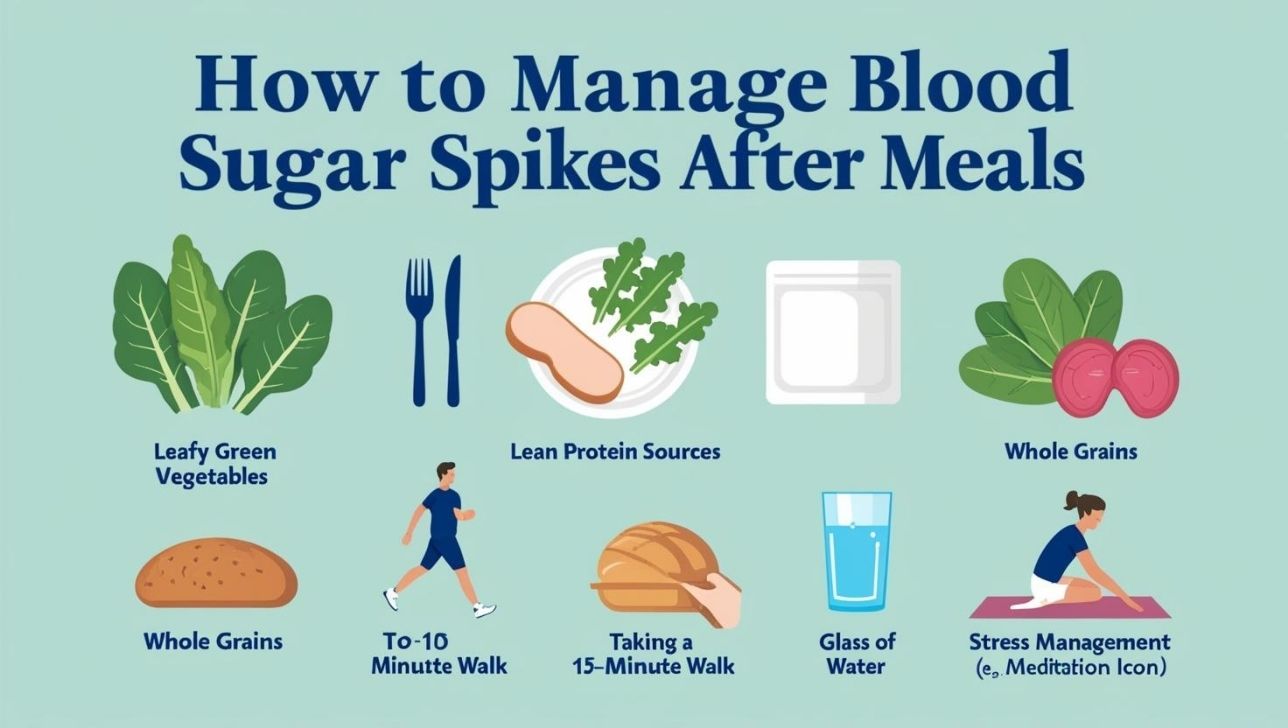
- Prioritizing Fiber: Starting meals with vegetables or fiber-rich foods can create a physical barrier in the digestive tract, slowing glucose absorption.
- Post-Meal Movement: A short walk following a meal can significantly reduce postprandial (after-meal) glucose spikes by encouraging muscles to utilize the glucose currently in the bloodstream.
- Consistency in Timing: Eating at regular intervals helps the body anticipate and manage energy intake, preventing the extreme hunger that often leads to overconsumption of refined sugars.
- Hydration and Sleep: Both adequate hydration and quality sleep are essential regulators of hormones like cortisol and ghrelin, which directly influence how the body handles blood sugar.
The Role of Medical Innovation vs. Lifestyle
This proves important to distinguish between lifestyle-based glucose management and the medical treatments prescribed for diagnosed metabolic conditions. While injectable medications have become a significant topic in contemporary healthcare, they are specifically indicated for patients meeting certain clinical criteria, such as those with diagnosed type 2 diabetes or, in specific instances, obesity. These medications work through complex hormonal pathways, such as mimicking the GLP-1 hormone, to regulate appetite and insulin secretion.

As Dr. Helena Fischer, I often remind my patients that medication should be viewed as a tool within a broader framework of health, not a substitute for the fundamental habits that support long-term wellness. The American Diabetes Association emphasizes that medical treatment is most effective when paired with comprehensive lifestyle support, including nutritional counseling and physical activity plans tailored to the individual’s needs.
Conclusion: A Sustainable Approach to Wellness
Achieving metabolic health is a journey that requires patience and a commitment to evidence-based habits. By focusing on the quality of our nutrition, the consistency of our movement, and the stability of our daily routines, we can significantly influence our metabolic outcomes. For those seeking to better manage their blood sugar, the most sustainable path remains one that prioritizes physiological balance over quick fixes.
As we continue to monitor developments in metabolic medicine, it is vital to consult with qualified healthcare providers before making significant changes to your health regimen. Stay informed through reputable medical institutions and ensure that your health strategy is guided by professional clinical advice tailored to your specific medical history. We encourage our readers to share their experiences and questions in the comments section below as we continue to explore the evolving landscape of health and medical innovation.
Worth a look