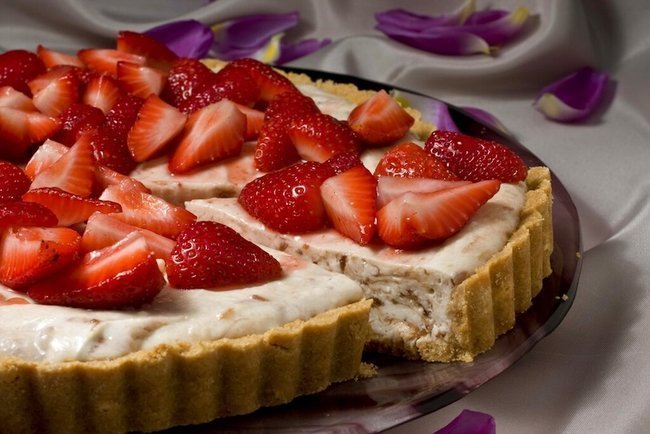
Achieving the perfect cheesecake is often viewed as the final frontier for the home baker. With its delicate structure and susceptibility to temperature fluctuations, it is a dish that demands precision, patience, and a fundamental understanding of baking science. Whether you are a novice looking to master your first dessert or a seasoned enthusiast aiming for a flawless, crack-free finish, the secret lies not in complex machinery, but in managing the physics of your ingredients.
As we explore how to make the perfect cheesecake from scratch, we must look at the essential techniques that separate a dense, cracked cake from a silky, professional-grade masterpiece. The key to consistency is controlling the environment inside your oven and ensuring your ingredients are handled with care, particularly when it comes to the emulsion of fats and proteins.
The Science of a Smooth Texture
The hallmark of a superior cheesecake is its creamy, uniform texture. This is achieved through the careful incorporation of ingredients. The most common pitfall for beginners is over-mixing the batter. When you beat eggs into your cream cheese mixture, you incorporate air. during the baking process, this air expands and then collapses, which is a primary contributor to structural failure and unwanted cracks on the surface of your dessert. According to established baking science principles, maintaining a low-speed mixing process is essential to keeping the batter dense and stable.
Temperature management is equally critical. All refrigerated ingredients—specifically cream cheese, eggs, and sour cream—should be brought to room temperature before mixing. Cold ingredients do not emulsify properly, leading to lumps in the batter that will not smooth out during baking. By ensuring your base is at room temperature, you create a cohesive mixture that bakes evenly throughout, resulting in that sought-after velvety mouthfeel.
Preventing Cracks: The Role of Humidity
Why does a cheesecake crack? The answer is almost always related to moisture and temperature shock. A cheesecake is essentially a custard, and like all custards, it thrives in a humid environment. Baking your cheesecake in a water bath—or bain-marie—is the most effective way to ensure the edges do not set and dry out before the center is cooked. The water bath provides a steady, gentle heat that prevents the proteins in the eggs from coagulating too quickly, which is what causes the cake to pull away from the pan and crack.
Beyond the water bath, the cooling process is the second most important step. Many bakers make the mistake of removing the cheesecake from the oven the moment it is finished. Sudden changes in temperature cause the cake to contract rapidly, leading to surface fractures. A better approach is to turn off the oven, crack the door slightly, and allow the cake to cool gradually within the residual heat of the oven for at least an hour. This slow transition allows the structure to set firmly without the stress of ambient air cooling.
Essential Techniques for Beginners
For those new to the process, here are the fundamental rules to follow:
- Use Quality Ingredients: Full-fat cream cheese is non-negotiable for the proper structure and richness required in a classic cheesecake.
- Avoid Over-beating: Use a paddle attachment on low speed to minimize air incorporation.
- The Water Bath Technique: Always wrap the bottom of your springform pan in heavy-duty foil to prevent water from seeping into the crust.
- Don’t Rush the Chill: A cheesecake should be refrigerated for at least 6 to 8 hours, ideally overnight, before serving to allow the flavors to meld and the texture to firm up completely.
By focusing on these variables, you move away from guesswork and toward a repeatable, professional result. Baking is as much about chemistry as it is about artistry, and understanding the “why” behind these steps—such as the role of proteins in egg coagulation or the impact of ambient temperature on fat emulsification—will empower you to troubleshoot any issues that arise in your own kitchen.
A Foundation for Future Success
Once you have mastered the base, you can begin to experiment with various flavor profiles and crust variations. Whether you prefer a traditional graham cracker crust or a more adventurous ginger-snap base, the underlying science of the filling remains the same. The journey of becoming an expert baker is one of continuous learning and refinement of technique.

For those interested in further developing their skills, exploring detailed baking tutorials and science-based resources can provide the necessary foundation to tackle more complex pastry challenges. Consistency in baking is not an accident; it is the result of applying reliable techniques every time you preheat your oven.
We invite you to share your experiences or your favorite cheesecake tips in the comments section below. Have you discovered a specific trick that works for your oven? Join the conversation and let us know what you are baking this weekend.
Keep reading