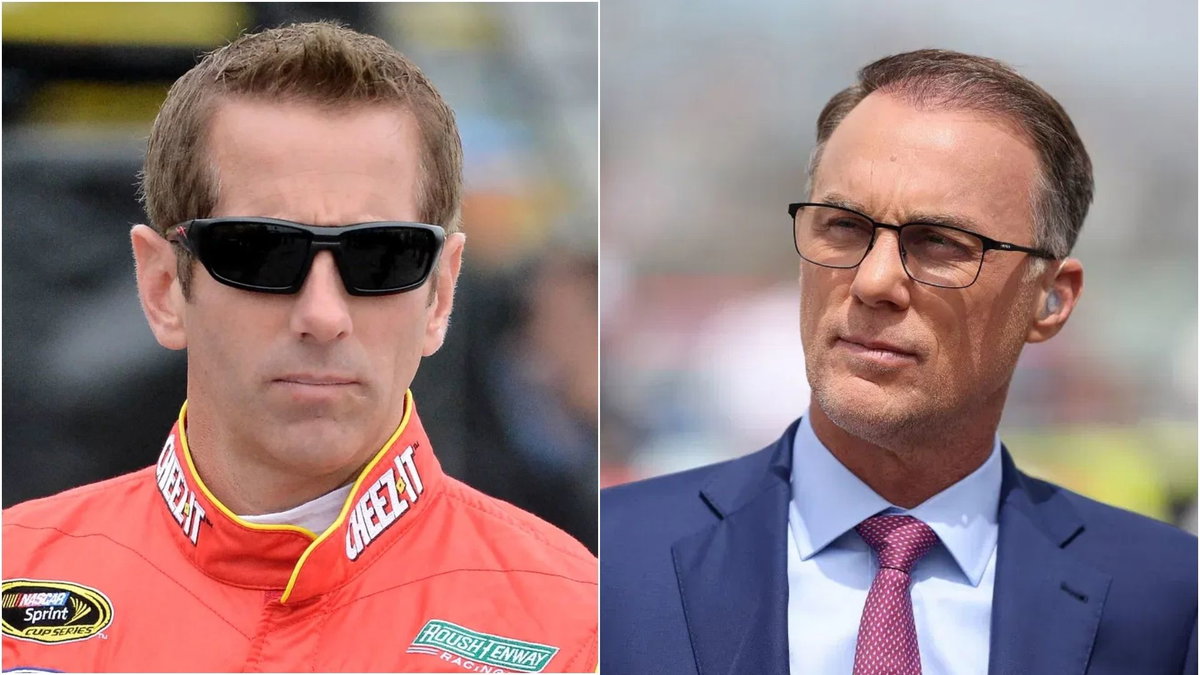
Greg Biffle’s Shocking Omission from NASCAR Hall of Fame Class of 2027 Sparks Outrage
NASCAR’s announcement of the 2027 Hall of Fame inductees has left the racing community in stunned silence—particularly after the exclusion of Greg Biffle, whose tragic death in December 2025 and storied career made him a near-certainty for induction. Instead, the Modern Era ballot honored 2014 Cup Series champion Kevin Harvick and veteran Jeff Burton, a decision that has sparked fierce backlash among fans and analysts alike.
The selection process, overseen by a voting panel comprising NASCAR officials, track owners, media representatives, and competitors, has long been a subject of scrutiny. This year, however, the omission of Biffle—who died alongside his family in a private jet crash while attempting to land at Statesville Regional Airport—has raised questions about the criteria used to evaluate candidates. While Harvick’s dominance in the sport is undisputed, Burton’s inclusion over Biffle, who boasted a stronger statistical record and deep fan admiration, has been widely criticized as a “fumble” by the sport.
Biffle’s racing résumé alone would have made him a strong contender. A two-time series champion (2000 Truck Series and 2002 Nationwide Series), he amassed 19 Cup Series wins, 175 top-10 finishes, and a second-place championship finish in 2006. His consistency and popularity among fans were undeniable, yet the voting panel’s decision to prioritize Burton—a driver with fewer top-tier finishes and 180 more races under his belt—has left many questioning the fairness of the selection process.
Why Greg Biffle’s Exclusion Stands Out
Biffle’s case is further complicated by his untimely death, which occurred just months before the voting process began. Fans and analysts widely expected NASCAR to honor his legacy posthumously, especially given his humanitarian efforts—including reported aid missions during natural disasters, though specifics remain unverified. Burton, while respected for his longevity in the sport and media contributions (serving as an NBC Sports analyst since 2015), lacks the same statistical dominance or tragic backdrop that defined Biffle’s narrative.
Public reaction has been swift and vocal. Social media platforms erupted with criticism, with many arguing that Biffle’s omission was a misstep by NASCAR. The voting results, if accurate, would show Harvick receiving near-unanimous support (92%), while Burton secured 32%—far ahead of Biffle, who finished fifth on the Modern Era ballot. However, these figures have not been officially confirmed by NASCAR, and the organization has not issued a statement clarifying the selection criteria.
NASCAR’s Voting Process Under Scrutiny
The NASCAR Hall of Fame’s voting panel is composed of a diverse group, including current and former drivers, team owners, track operators, and media representatives. This multi-stakeholder approach is designed to ensure balanced representation, but it has also led to debates about transparency. Critics argue that the lack of clear, published criteria leaves room for subjective interpretations—particularly in cases like Biffle’s, where tragedy and fan sentiment might have been expected to weigh heavily.
Harvick’s induction, while uncontroversial given his 2014 championship and 38 Cup Series wins, does little to assuage concerns about Biffle’s exclusion. Burton, though a respected figure in NASCAR’s media landscape, has never won a Cup Series race and finished no higher than third in the standings. By contrast, Biffle’s 19 wins and consistent top-10 finishes in a career spanning nearly two decades present a stronger case for Hall of Fame recognition.
Fan Backlash and the Road Ahead
The outcry over Biffle’s omission has not gone unnoticed. NASCAR has historically been responsive to fan sentiment, particularly when it comes to honoring drivers with compelling stories. While the organization has not commented on the specific reasons behind the decision, industry insiders suggest that the voting panel may have prioritized “lifetime contributions” over recent achievements—a factor that could explain Burton’s selection over Biffle.
What remains unclear is whether this decision will have lasting repercussions for NASCAR’s relationship with its fanbase. The sport has faced challenges in recent years regarding transparency and fan engagement, and Biffle’s exclusion risks further alienating supporters who feel the Hall of Fame process lacks fairness. Moving forward, NASCAR may need to address these concerns—either by revisiting the selection criteria or by providing clearer explanations for future decisions.
Key Takeaways
- Tragic Context: Greg Biffle’s death in December 2025 in a private jet crash at Statesville Regional Airport made him a near-certainty for posthumous induction.
- Statistical Strength: Biffle’s 19 Cup Series wins, 175 top-10 finishes, and two series championships outpaced Jeff Burton’s career metrics.
- Fan Sentiment: Public backlash on social media has labeled the decision a “fumble,” with many arguing NASCAR overlooked a driver with a stronger legacy.
- Voting Process: The multi-stakeholder panel’s criteria remain unclear, raising questions about transparency in Hall of Fame selections.
- No Official Response: NASCAR has not commented on the decision, leaving fans and analysts to speculate about the reasoning behind Biffle’s exclusion.
What Happens Next?
NASCAR’s next major announcement related to the Hall of Fame will likely come in late 2026, when the 2028 inductees are revealed. Until then, fans can expect continued debate about the selection process. For those seeking official updates, NASCAR’s Hall of Fame page will remain the primary source for announcements and historical context.
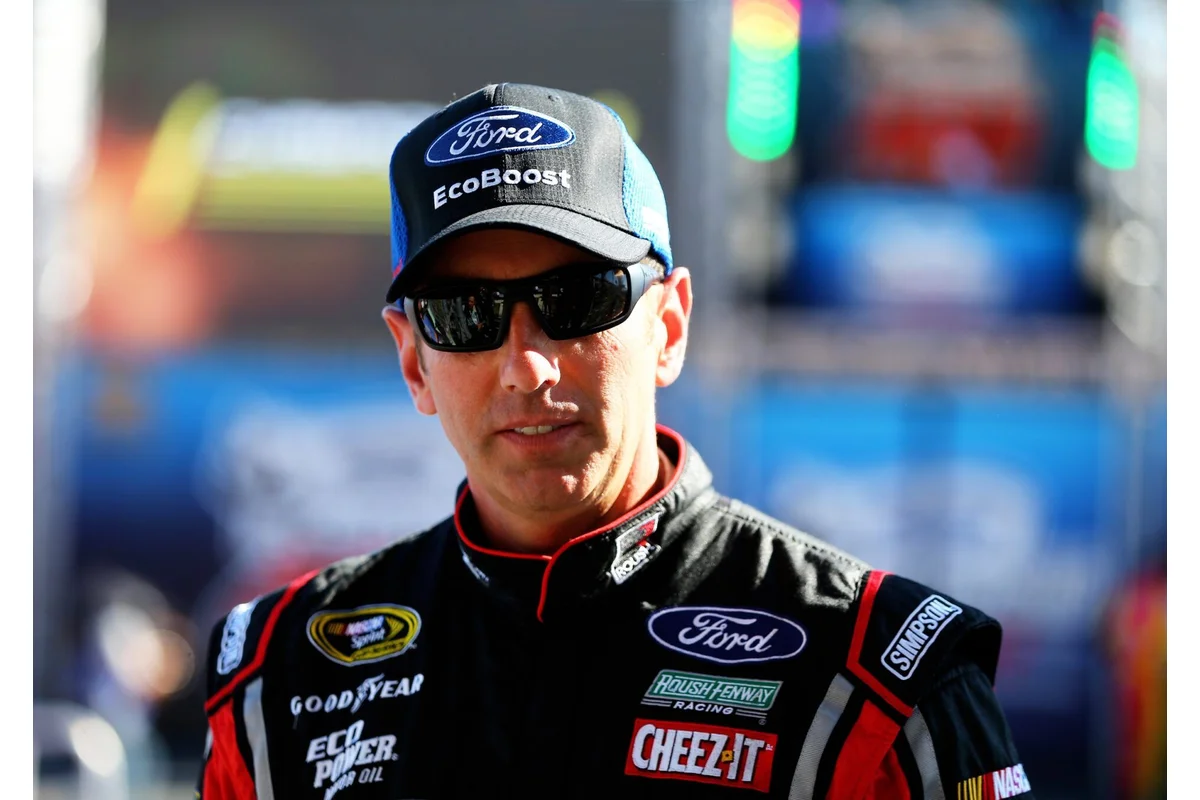
In the meantime, the story of Greg Biffle’s exclusion serves as a reminder of how deeply emotions—and statistics—shape the narrative of motorsport legacy. As the racing community processes this decision, one question lingers: Will NASCAR’s Hall of Fame ever fully reconcile its mission to honor greatness with the unpredictable weight of tragedy?
Related reading