
As Switzerland moves into the summer of 2026, the nation faces a period of legislative and logistical evolution. For residents and international travelers alike, the month of June brings significant developments in the country’s democratic process and its connection to the broader European transit network. Understanding these shifts is essential for navigating life in the Swiss Confederation as the government continues to balance its unique federalist structure with the demands of modern infrastructure and population management.
The upcoming changes in Switzerland in June 2026 center on high-stakes national decision-making and the expansion of cross-border rail capabilities. These developments reflect the ongoing discourse regarding the country’s demographic trajectory and its role in the European integration of transit systems. As always, the Swiss approach remains deeply rooted in its system of direct democracy, where citizens hold the ultimate authority on legislative direction through the referendum process.
National Referendum and the Demographic Debate
On June 14, 2026, the Swiss electorate will head to the polls to participate in a nationwide referendum regarding the country’s population policy. Referendums are a cornerstone of the Swiss political system, allowing citizens to vote directly on specific initiatives or proposed changes to the federal constitution. In this instance, the debate concerns potential measures aimed at managing population growth, a topic that has generated significant public interest as the nation navigates its 2025 estimated population of over 9 million people, according to data from the Swiss Federal Statistical Office.
The referendum highlights the tension between Switzerland’s economic reliance on international labor and concerns regarding infrastructure capacity and resource management. While specific outcomes remain subject to the will of the voters on June 14, the event itself serves as a crucial checkpoint for national policy. Voters are encouraged to consult the official federal portal for detailed voting materials and explanatory reports ahead of the ballot, ensuring that every participant is informed of the potential legislative impacts.
Expanding European Connectivity: The Night Train Network
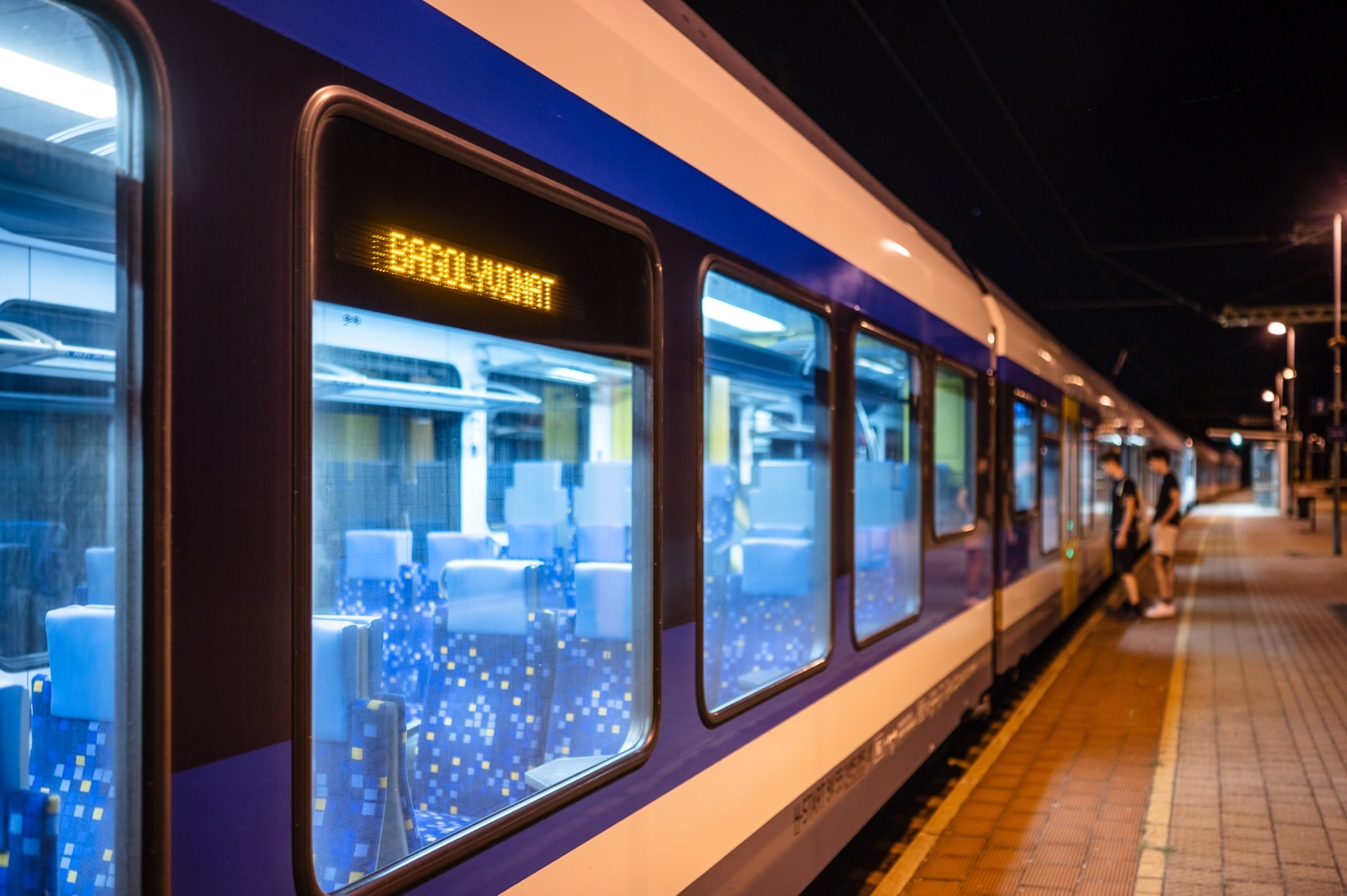
Beyond the political arena, June 2026 marks a tangible shift in how travelers move through the heart of Europe. The expansion of the night train network is set to improve connectivity between Switzerland and several major European cities, reflecting a broader commitment to sustainable, cross-border rail travel. This initiative is part of an ongoing effort to reduce reliance on short-haul aviation by providing efficient, overnight alternatives for international transit.
These rail improvements are managed in coordination with various European partners to ensure seamless transitions across borders. For travelers planning their summer excursions, this expansion offers a more integrated way to traverse the continent. Updates regarding schedules, ticketing, and specific route information are maintained by the Swiss Federal Railways (SBB), which provides real-time data for all domestic and international rail services. Utilizing these official channels is the most effective way to manage travel plans during this period of network expansion.
Navigating Life in Switzerland: Key Takeaways
As these changes unfold, keeping track of official announcements is paramount for those living in or visiting the country. The following summary provides a guide to the upcoming June developments:
- Democratic Participation: The national referendum scheduled for June 14, 2026, is the primary event for Swiss citizens to exercise their right to vote on population-related policy.
- Transit Advancements: Travelers should monitor the SBB website for the latest updates on the launch and operational details of the expanded night train routes connecting Switzerland to key European hubs.
- Official Information: For all legal, political, and transit-related updates, rely exclusively on official federal and state-run portals to ensure accuracy and avoid misinformation.
The intersection of these political and logistical changes underscores the dynamic nature of Swiss society. Whether through the direct democratic process or the modernization of transit infrastructure, the country remains focused on adapting to the needs of its diverse population. The next confirmed checkpoint for national policy will be the announcement of the referendum results following the close of polls on June 14. We invite our readers to share their perspectives on these developments in the comments section below as we continue to track the stories shaping the global landscape.
Keep reading