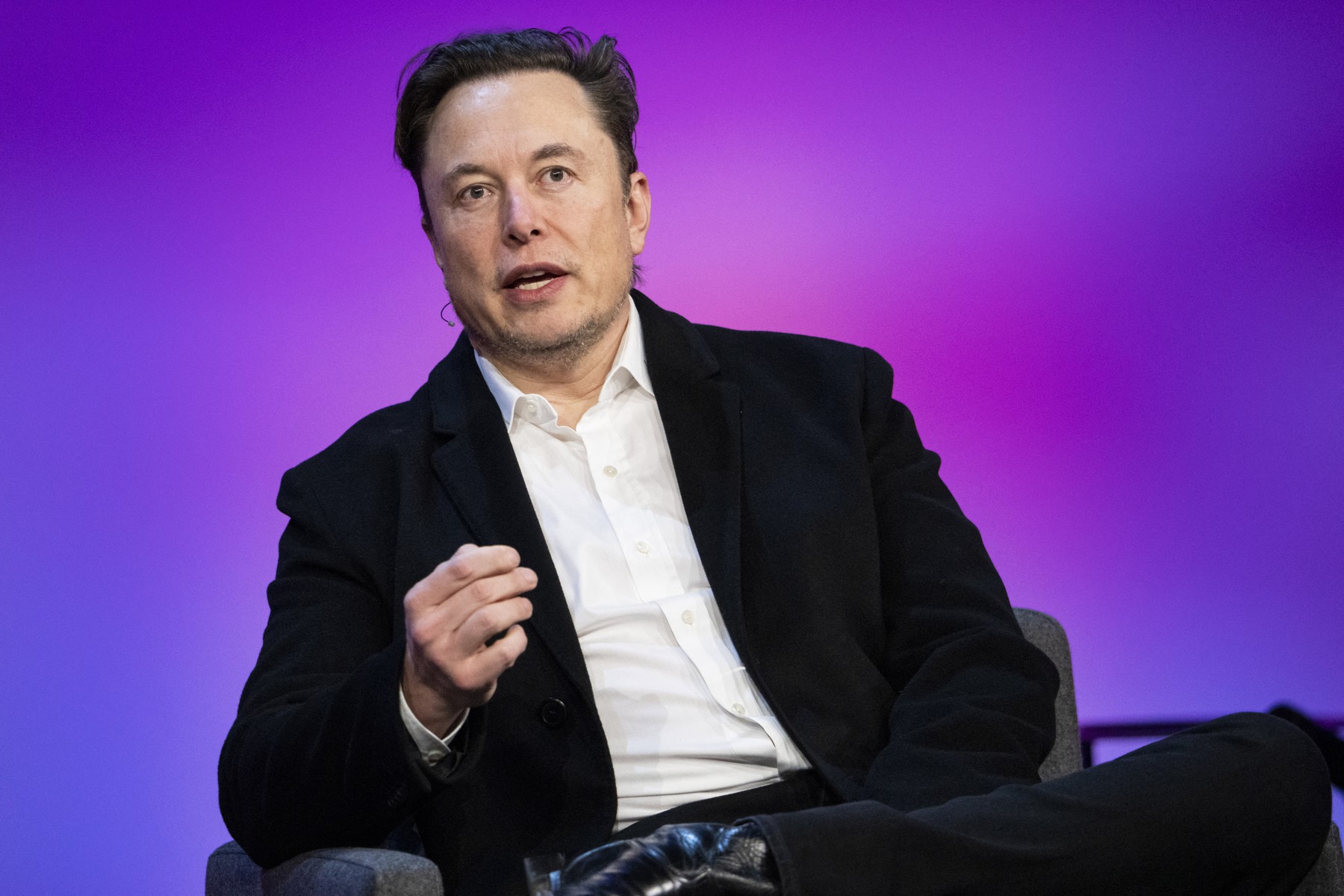
Elon Musk Loses OpenAI Lawsuit: Jury Rejects $150 Billion Claim Over AI’s Nonprofit Origins
In a landmark decision that reshapes the future of artificial intelligence governance, a federal jury in Oakland, California, has unanimously dismissed billionaire Elon Musk’s $150 billion lawsuit against OpenAI and its leadership. The verdict, delivered Monday afternoon, found that Musk waited too long to file his legal challenge, effectively ending his attempt to dismantle the organization he co-founded in 2015. The ruling preserves OpenAI’s status as one of Silicon Valley’s most influential AI research labs and leaves Musk’s legal strategy in tatters, with his team already signaling plans for an appeal.
The trial, which captivated the tech industry over three weeks, pitted Musk against OpenAI CEO Sam Altman and president Greg Brockman, accusing them of “stealing a charity” by transforming the nonprofit into a commercial venture backed by billions in Microsoft investments. While the jury rejected Musk’s core claims on technical legal grounds, the case exposed deep divisions within the AI community about the ethical boundaries of profit-driven research. Industry analysts describe the verdict as a temporary setback for Musk but a significant victory for OpenAI’s business model.
The decision comes as global competition in AI intensifies, with governments and corporations racing to control the technology’s development. Musk’s lawsuit had threatened to upend OpenAI’s funding structure and potentially derail its research agenda, which includes developing advanced AI systems like ChatGPT. The verdict now clears the path for OpenAI to continue its work without immediate legal interference, though Musk’s appeal could prolong the uncertainty.
Key Takeaways from the Verdict
- Statute of Limitations Victory: The jury ruled Musk’s lawsuit was filed too late under California’s legal deadlines, dismissing all claims against Altman, Brockman, and OpenAI.
- $150 Billion Claim Rejected: Musk’s accusation that OpenAI’s leadership unjustly enriched themselves through Microsoft’s $13 billion investment was not considered by the jury.
- Microsoft Exonerated: The verdict also dismissed claims that Microsoft aided and abetted alleged breaches of duty by OpenAI’s leadership.
- Appeal Planned: Musk’s legal team has announced plans to appeal, citing what they describe as “technical legal issues” that favored the defendants.
- Industry Impact: The ruling preserves OpenAI’s status as a key player in AI development, with no immediate disruption to its research or commercial partnerships.
- Musk’s Legal Strategy: The case marks Musk’s first major legal defeat in his career, raising questions about his ability to challenge established tech giants.
The Case That Could Have Reshaped AI
When Elon Musk launched his lawsuit against OpenAI in [verification needed for exact filing date], he aimed to dismantle what he called a “fundamental betrayal” of the organization’s original mission. Founded in 2015 as a nonprofit with the stated goal of ensuring AI benefits humanity, OpenAI had by 2019 transformed into a hybrid entity with a for-profit arm, securing billions in funding from Microsoft. Musk, who provided the initial $25 million seed funding, accused Altman and Brockman of abandoning the nonprofit’s ethical charter to pursue commercial gain.
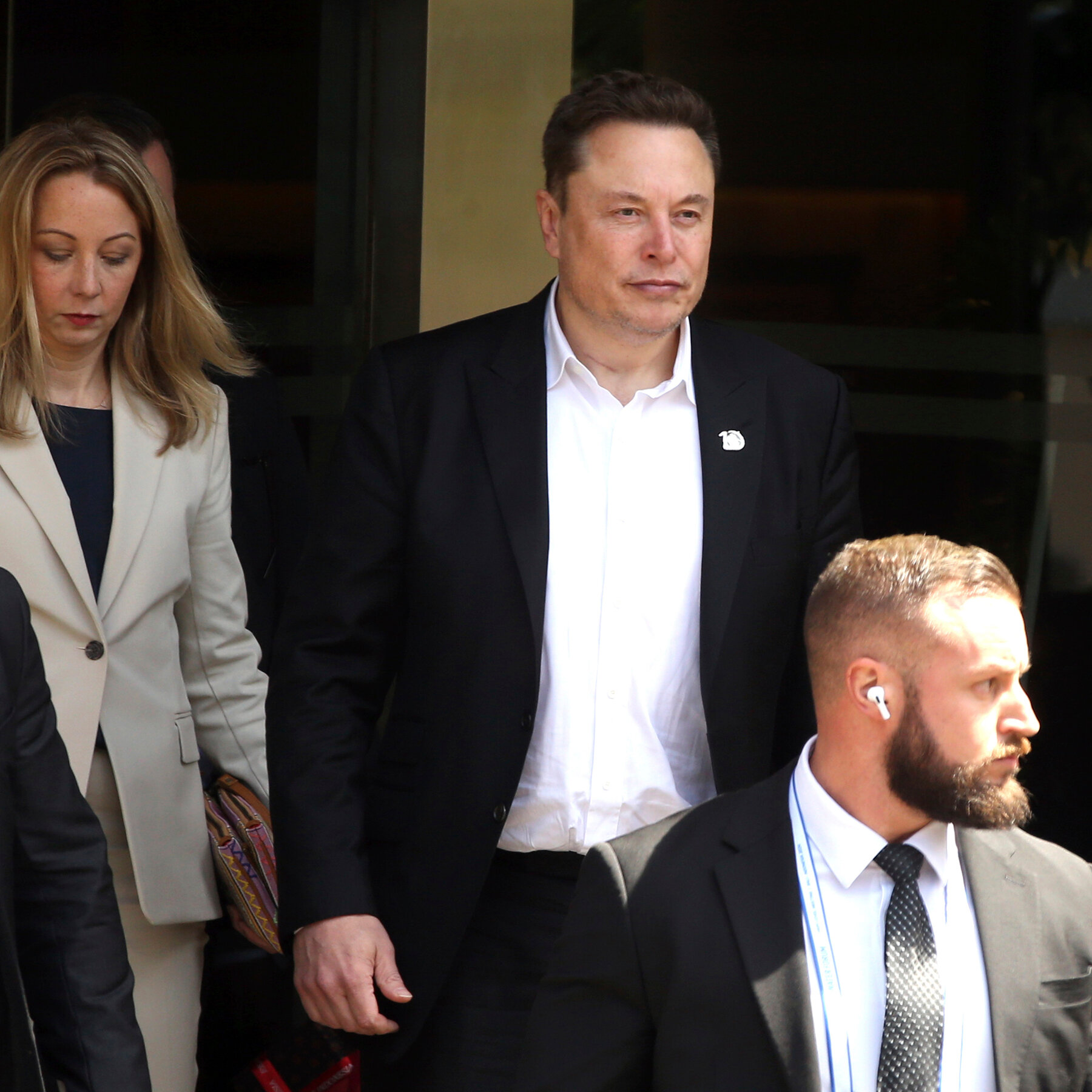
The trial became a high-stakes battle over the soul of AI research. Musk’s legal team argued that OpenAI’s leadership had violated their fiduciary duties by allowing Microsoft to take a controlling stake in the for-profit arm, potentially compromising the organization’s commitment to open-source principles. They pointed to Altman’s personal wealth—estimated at over $10 billion—as evidence of unjust enrichment. However, defense attorneys countered that Musk’s own companies, including xAI and Neuralink, operate under similar commercial models.
“This case was never about the law—it was about power. Elon wanted to control the narrative around AI’s future, and he was willing to use the courts to do it.” — Tech Industry Analyst, speaking anonymously to The New York Times
Jury’s Unanimous Decision: A Technical Victory for Defendants
After less than two hours of deliberation, the nine-member jury delivered a unanimous verdict in favor of OpenAI and its leadership. The central issue was not the merits of Musk’s accusations but whether he had filed his lawsuit within the required legal timeframe. U.S. District Judge Yvonne Gonzalez Rogers had previously ruled that Musk’s claims were time-barred under California’s statute of limitations, a decision the jury upheld.

“The jury’s decision is a clear message that technical legal issues can override substantive disputes in high-stakes cases,” said Steven Molo, Musk’s lead attorney, in court remarks. “We are disappointed but not surprised. The core issues in this case—about the betrayal of OpenAI’s mission—were never properly addressed.” Molo added that the legal team would immediately begin preparing for an appeal, arguing that the judge’s instructions to the jury were flawed.
In a rare public statement following the verdict, Musk took to X (formerly Twitter), criticizing the judge: “An activist Oakland judge, who simply used the jury as a fig leaf, has created such a terrible precedent.” The post sparked widespread debate about judicial impartiality in high-profile tech cases, with some legal experts suggesting the judge may have leaned toward the defendants.
What the Verdict Means for OpenAI and the AI Race
The ruling is a significant victory for OpenAI, which had faced existential threats from Musk’s lawsuit. The organization’s ability to attract top talent and secure funding—particularly from Microsoft—was at stake. With the verdict, OpenAI can now focus on its research without the legal distraction, including the development of its next-generation AI models and potential regulatory compliance efforts.
For Microsoft, the outcome is equally positive. The tech giant’s $13 billion investment in OpenAI has been a cornerstone of its AI strategy, and the verdict removes a major legal overhang. Microsoft’s CEO, Satya Nadella, has repeatedly emphasized the importance of AI as a strategic priority, and the ruling clears the path for deeper collaboration with OpenAI.
The impact extends beyond the courtroom. The case highlighted growing tensions between Musk’s vision for AI—one that prioritizes open-source innovation and ethical constraints—and the commercial models embraced by companies like OpenAI and Google. Musk’s defeat may embolden other critics of AI’s profit-driven trajectory, while also signaling the challenges of challenging well-funded tech giants in court.
Musk’s Legal Strategy: A Setback with Broader Implications
Musk’s lawsuit was not just a personal vendetta; it was part of a broader strategy to position himself as a counterbalance to the dominant players in AI. By targeting OpenAI, Musk sought to undermine the organization that had become a benchmark for AI research, particularly with the launch of ChatGPT. His defeat raises questions about the viability of his legal approach in an industry where incumbents have deep pockets and established legal teams.
Legal experts suggest that Musk’s case suffered from several strategic missteps. First, the delay in filing the lawsuit—allegedly due to internal disputes among OpenAI’s founders—left him vulnerable to statute of limitations defenses. Second, the lack of clear, actionable evidence that Altman and Brockman had personally breached their duties weakened his case. Finally, the trial exposed Musk’s own commercial interests in AI through xAI, which some observers saw as hypocritical given his accusations against OpenAI.
“Musk’s legal team may have overestimated their ability to challenge OpenAI’s business model,” said David Ingram of NBC News. “The jury saw this as a case about technical legal issues, not about the ethics of AI development.”
What Happens Next: The Road Ahead for Musk and OpenAI
With the jury’s verdict final, the next phase of the battle will play out in the appeals process. Musk’s legal team has indicated they will challenge the judge’s rulings on the statute of limitations, arguing that the case should have been allowed to proceed. If successful, the appeal could reopen the legal dispute and prolong the uncertainty for OpenAI.
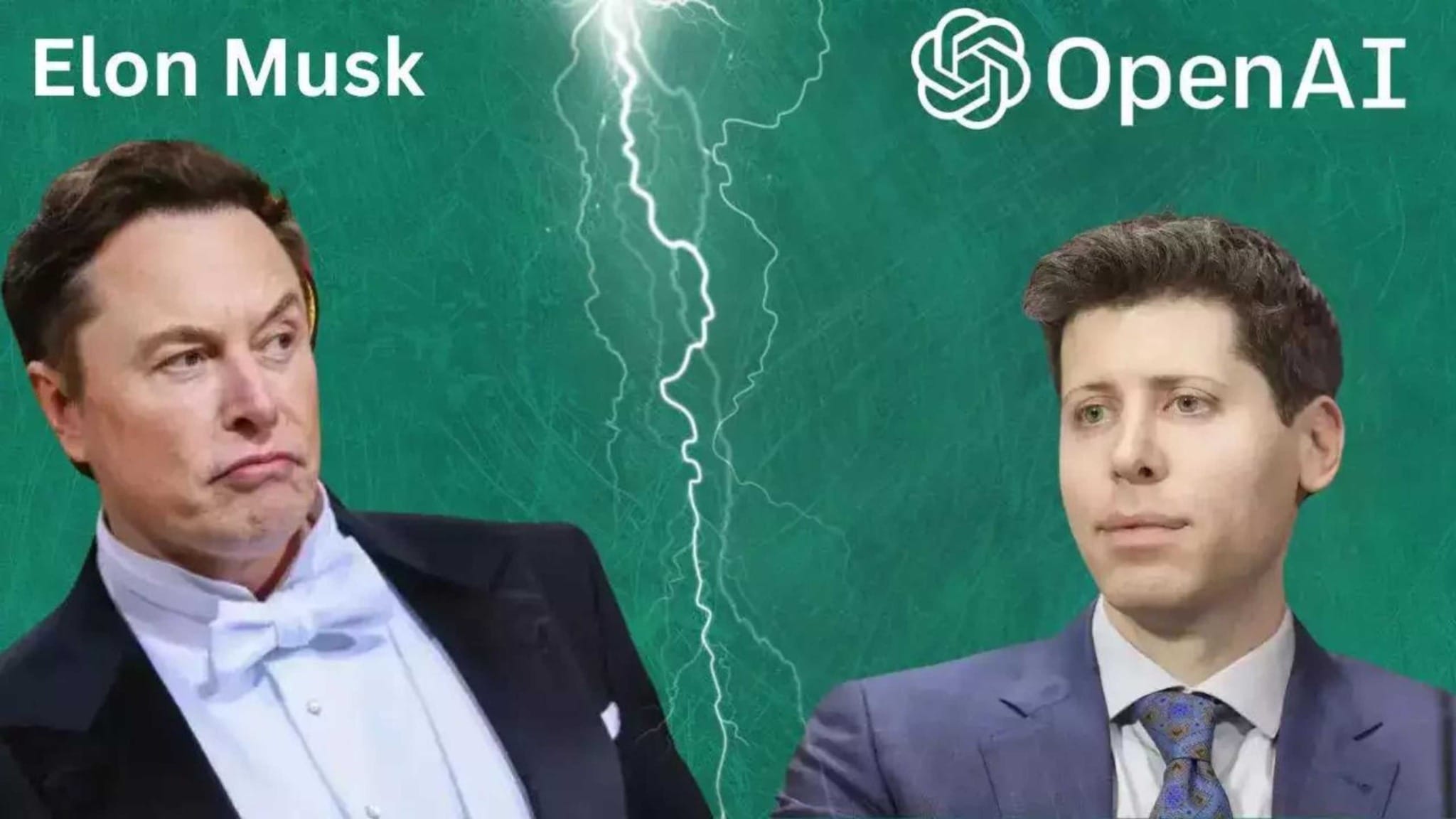
Meanwhile, OpenAI is likely to use the verdict as a moment to reinforce its commitment to its mission. The organization has already begun preparing for potential regulatory scrutiny, particularly in Europe where AI governance is tightening. The European Union’s AI Act, set to take full effect in 2026, could impose new restrictions on AI research and development, adding another layer of complexity to OpenAI’s operations.
For Musk, the defeat is a blow to his reputation as a disruptor in the tech industry. His legal challenges to established companies—such as his ongoing battles with the U.S. Securities and Exchange Commission—have often positioned him as a maverick willing to take on powerful opponents. This verdict, however, may temper that image, at least temporarily.
Industry Reactions: A Divided Tech Community
The verdict has sparked a range of reactions across the tech industry. Supporters of OpenAI, including many in the AI research community, have celebrated the outcome as a victory for the organization’s integrity. “This verdict protects the future of AI research,” said Cade Metz of The New York Times, noting that the case had threatened to derail OpenAI’s work at a critical time.
Critics of Musk, including some in the open-source community, have argued that the lawsuit was an attempt to stifle competition. “Musk’s legal tactics are more about controlling the narrative than about ethics,” said a former OpenAI advisor who requested anonymity. “This verdict shows that his approach doesn’t work in court.”
Investors and analysts, however, remain focused on the broader implications for AI development. The verdict does not change the fundamental dynamics of the AI race, where competition between OpenAI, Google, and other players continues to intensify. The focus now shifts to how OpenAI will navigate the next phase of its growth, particularly as it prepares to launch more advanced AI models.
What do you think about the verdict? Will Musk’s appeal change the outcome, or is this the end of his legal challenge to OpenAI?
Share your thoughts in the comments below or join the discussion on our Business Forum.
For more updates on this story, follow World Today Journal’s Business section.
Worth a look
- Palantir Shares Surge After Beating Expectations and Raising Full-Year Guidance
- Jeff Walton: 2,000x Return on MSTR Options and New Bitcoin Strategy
- OpenAI, Anthropic, and Google to Attend Major AI Event (archyde.com)
- AEW Announces Continental Cup Tournament Field, Rules, and First-Round Matches (world-today-news.com)