At Google I/O 2026, the technology giant unveiled a significant expansion of its developer ecosystem, positioning AI Studio as a central hub for cross-platform software creation. As the industry shifts toward agentic workflows, the ability to build native Android applications directly within the AI-driven development environment marks a pivotal change for mobile engineers and creators alike. This evolution is designed to streamline the production pipeline, allowing developers to leverage advanced models to generate functional code for mobile environments with greater speed and efficiency.
For those of us tracking the intersection of artificial intelligence and software engineering, this announcement is more than just a feature update—it is a clear signal that Google is aiming to lower the barrier to entry for mobile development. By integrating native Android application building into AI Studio, the company is effectively providing a sandbox where logic, UI, and functionality can be prototyped and deployed in a unified workflow. This is a significant development for the developer community, particularly as Google continues to refine its Gemini-powered toolsets to handle increasingly complex coding tasks.
Building the Future: Native Android and iOS Porting
The core of the announcement centers on the enhanced capabilities of Google AI Studio, which now supports the end-to-end creation of native Android applications. This move is intended to simplify the traditional development lifecycle, which often requires switching between multiple IDEs (Integrated Development Environments) and testing suites. By bringing these capabilities into a single interface, developers can iterate on their ideas in real-time, using the latest Gemini models to write, debug, and optimize their application code.

Perhaps even more notable is the introduction of iOS application porting features. This functionality aims to address the long-standing challenge of cross-platform compatibility, allowing developers to bridge the gap between Android and Apple’s ecosystem more effectively. While the technical specifics of this porting process involve complex translation layers, the intent is to provide a smoother transition for developers looking to maintain parity across the two dominant mobile platforms. This aligns with Google’s broader strategy announced at the 2026 developer conference to make its AI tools more versatile and “agentic,” capable of performing multi-step tasks that previously required significant manual intervention.
What This Means for Developers
The integration of these tools into Google AI Studio suggests a strategic push toward “vibe coding”—a concept highlighted during the I/O 2026 keynote that emphasizes intuitive, natural-language-driven development. By allowing developers to describe their intent and receive functional code, Google is attempting to shift the focus from syntax-heavy labor to high-level architecture and design. This is particularly relevant for startups and independent developers who may not have the resources for large-scale engineering teams.
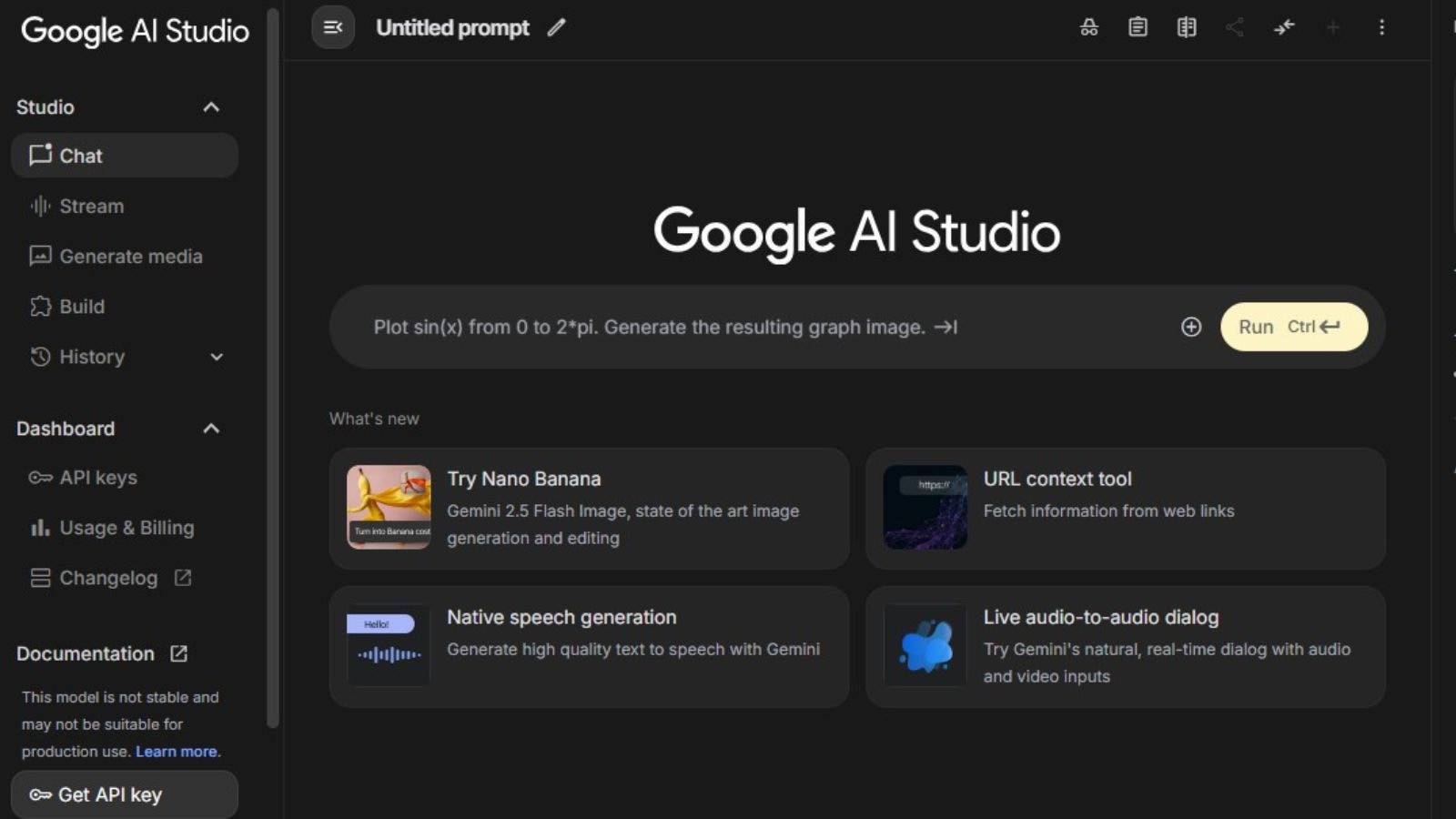
the expansion includes broader support for Google Workspace integrations and mobile-specific coding environments. For those working within the Android ecosystem, the ability to “build anything, ship everywhere” is the stated goal, with Google AI Studio serving as the primary workbench. The company has also emphasized that these updates are part of a larger, ongoing effort to provide “frontier intelligence” that is actionable, meaning the models aren’t just generating text—they are actively participating in the deployment and management of software.
Looking Ahead: The Agentic Era
As we look toward the remainder of 2026, the success of these new AI Studio features will depend on how effectively they handle the nuances of real-world app development. The transition from a generative model to a reliable software agent is a complex one, requiring high standards for code security, performance, and maintainability. Google’s commitment to providing robust tooling for this transition is clear, as evidenced by the concurrent release of new models like 3.5 Flash, which is specifically optimized for agentic performance and coding efficiency.
For developers, the next few months will be a period of testing and integration. Google has indicated that further updates to its developer tools, including mobile app enhancements and deeper integration with Android Studio, will continue to roll out throughout the year. As these tools evolve, the role of the developer will likely shift toward overseeing these AI agents, ensuring that the software produced meets the rigorous standards of modern mobile app stores.
We will continue to monitor these developments as they move from the I/O stage to actual deployment in the developer ecosystem. Whether you are an experienced software engineer or a newcomer to the field, the tools announced this week represent a fundamental shift in how we conceive and construct mobile software. We encourage our readers to share their thoughts on these changes—is this the beginning of a new era of “vibe coding,” or will the complexities of platform-specific development remain a hurdle for AI to overcome?
Worth a look