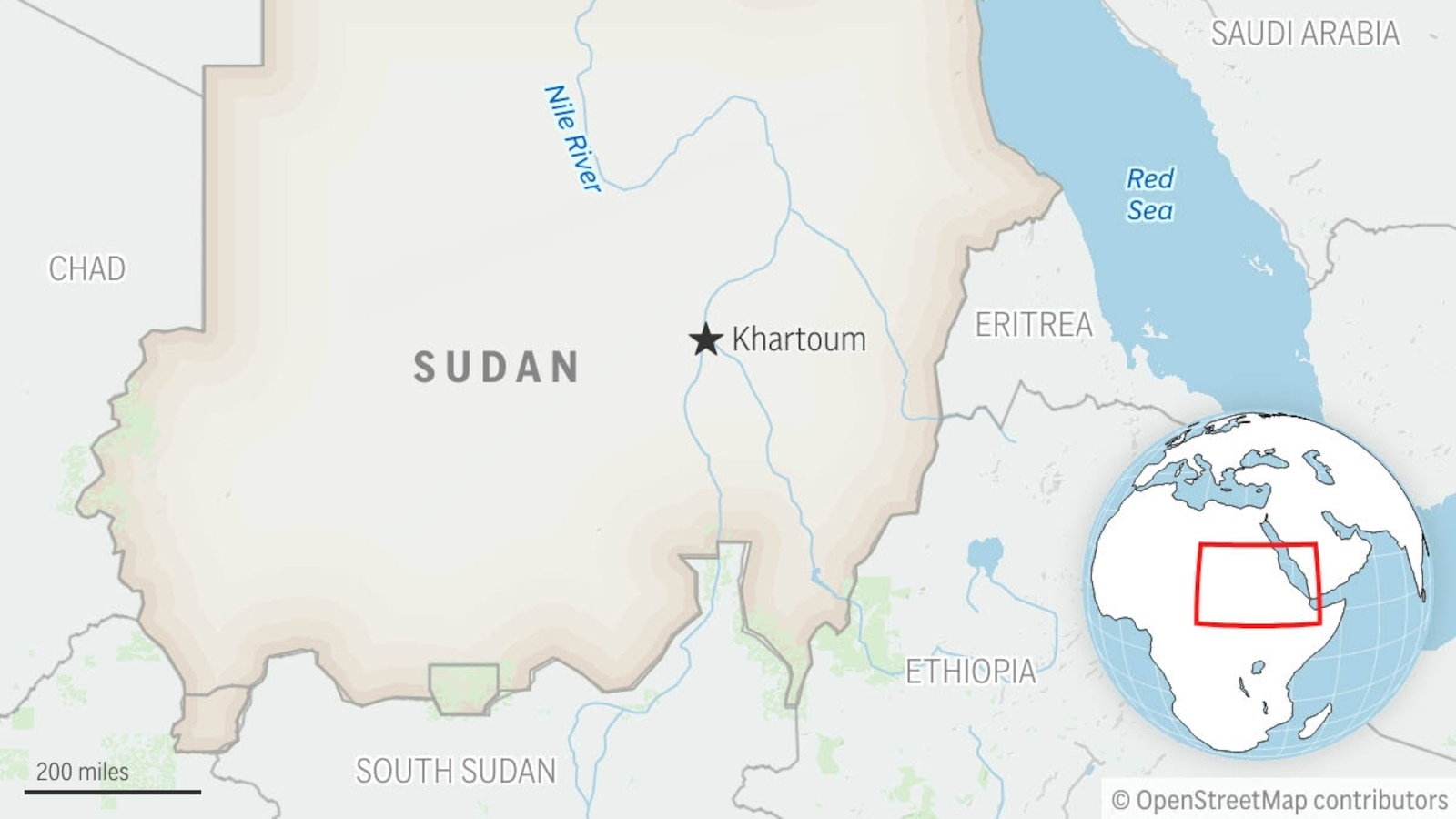
In a devastating escalation of Sudan’s ongoing conflict, a drone strike targeted a bustling market in West Kordofan state on Wednesday, May 20, 2026, killing at least 28 people and injuring dozens more, according to a local human rights organization. The attack underscores the expanding brutality of the civil war that has gripped Sudan since April 2023, pitting the Sudanese Armed Forces (SAF), led by General Abdel Fattah al-Burhan, against the Rapid Support Forces (RSF), commanded by General Mohamed Hamdan Dagalo, known as “Hemedti.”
West Kordofan, a region in central Sudan, has become a flashpoint in the conflict, with both sides accused of indiscriminate attacks on civilian infrastructure, including markets, hospitals and residential areas. The market strike—if confirmed—would mark one of the deadliest incidents targeting civilians in the region since the war’s intensification. While neither the SAF nor the RSF has claimed responsibility, drone warfare has become a hallmark of the conflict, with both factions deploying unmanned aerial systems for strikes deep behind enemy lines.
The United Nations and international humanitarian organizations have repeatedly warned of a worsening humanitarian crisis in Sudan, with over 6 million people displaced and millions more at risk of famine. The drone strike in West Kordofan, if verified, would further strain already overwhelmed aid efforts, as medical facilities in the region struggle to cope with the influx of wounded civilians. The attack also raises urgent questions about the adherence of both warring parties to international humanitarian law, which prohibits attacks on civilian targets.
Who Is Affected and Why This Matters
West Kordofan’s population—predominantly composed of farming and pastoralist communities—has borne the brunt of the conflict’s economic fallout. The destruction of markets, which serve as vital hubs for trade and social interaction, exacerbates food insecurity and disrupts livelihoods. According to the United Nations Office for the Coordination of Humanitarian Affairs (OCHA), Sudan is now facing one of the world’s worst humanitarian crises, with 18.8 million people in need of assistance. The drone strike, if confirmed, would push the region closer to the brink of catastrophe.
Beyond the immediate human toll, the attack could have strategic implications. West Kordofan lies near the contested border between the SAF and RSF, and control over the region is seen as critical for both factions’ supply lines and territorial ambitions. The use of drones—often attributed to the RSF, which has ties to private military companies in the United Arab Emirates—has drawn condemnation from human rights groups, including Human Rights Watch, which has documented numerous civilian casualties from aerial bombardments.
Background: The Escalation of Drone Warfare in Sudan
Drone strikes have become a defining feature of Sudan’s civil war, with both the SAF and RSF deploying a mix of commercially available and likely smuggled unmanned aerial vehicles. While the SAF has historically relied on Russian-made systems, the RSF’s drone arsenal—reportedly sourced from Iran, Turkey, and the UAE—has proven particularly lethal in densely populated areas. The Amnesty International has documented at least 47 drone strikes since the war’s onset, resulting in hundreds of civilian deaths.
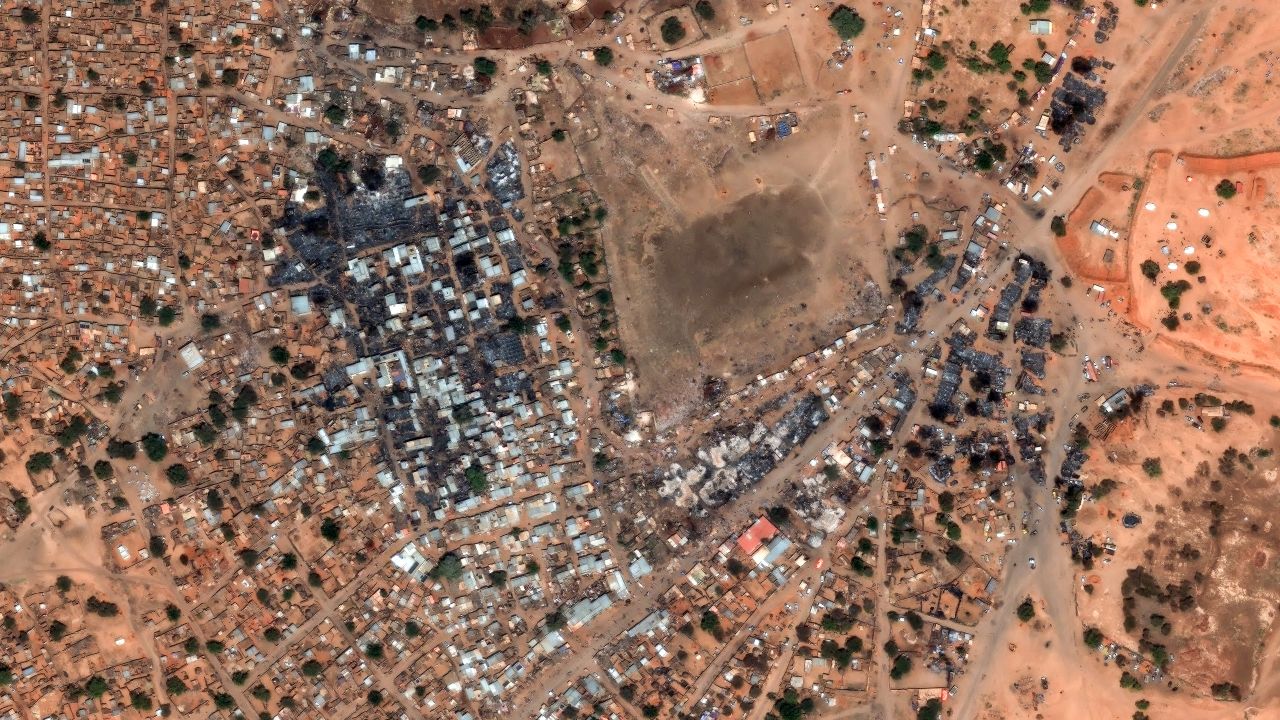
What sets the West Kordofan attack apart is its apparent targeting of a civilian market—a location that, under international law, is protected from direct military action unless it is being used for combat purposes. The lack of immediate claims of responsibility from either faction has fueled speculation about the involvement of third-party actors, including private military contractors or foreign powers with vested interests in Sudan’s conflict. The International Crisis Group has previously warned that the proliferation of drones in Sudan risks turning the country into a “laboratory for unregulated armed drone warfare,” with devastating consequences for civilians.
Humanitarian Crisis Deepens as Aid Efforts Stagnate
The drone strike in West Kordofan comes as Sudan’s humanitarian situation deteriorates rapidly. The World Health Organization (WHO) has reported that only 20% of required medical supplies have reached conflict zones, leaving hospitals overwhelmed and unable to treat the wounded. The WHO’s Sudan emergency response plan estimates that 15,000 people could die from preventable diseases in the coming months if aid access is not restored.
International aid agencies face immense challenges in delivering assistance, with roads blocked by fighting, airstrikes disrupting supply convoys, and local communities often unwilling to risk their lives to transport goods. The United Nations has appealed for $2.6 billion to address the crisis, but funding remains critically short. The drone strike, if confirmed, would likely divert already scarce resources toward emergency medical responses, further delaying critical aid deliveries.
What Happens Next: Key Questions and Uncertainties
Several critical questions remain unanswered in the aftermath of the attack:

- Who was responsible? Neither the SAF nor the RSF has claimed responsibility, and independent verification of the strike’s origin remains elusive. Satellite imagery and forensic analysis could provide clues, but access to the region is severely restricted.
- Was this a deliberate attack on civilians? If confirmed, the strike would violate the laws of war. International human rights organizations are likely to demand investigations, though accountability mechanisms remain weak in Sudan.
- How will this impact ongoing ceasefire talks? The African Union and regional mediators have been struggling to broker a truce between the SAF and RSF. The market attack could undermine fragile diplomatic efforts, particularly if perceived as a deliberate escalation.
- Will third-party powers intervene? The UAE, Russia, and other states with influence over the warring factions may face pressure to intervene, though their interests remain deeply divided.
The next confirmed checkpoint for updates will be the African Union’s next briefing on Sudan, scheduled for May 24, 2026, where mediators are expected to assess the latest developments and their impact on ceasefire negotiations. In the meantime, humanitarian organizations urge the international community to increase pressure on both warring parties to halt civilian targeting and allow unimpeded access for aid workers.
Key Takeaways
- The drone strike in West Kordofan, if confirmed, would be one of the deadliest attacks on civilians in Sudan’s ongoing war, killing at least 28 and injuring dozens.
- Drone warfare has become a defining—and increasingly lethal—tactic in the conflict, with both the SAF and RSF deploying unmanned aerial systems.
- The attack underscores the worsening humanitarian crisis, with over 18 million Sudanese in need of assistance and aid access severely restricted.
- International law prohibits attacks on civilian markets unless they are being used for military purposes, raising serious questions about potential violations.
- The next critical update will come from the African Union’s briefing on May 24, where mediators will assess the impact on ceasefire talks.
As the situation in Sudan continues to deteriorate, the international community faces a stark choice: allow the conflict to spiral further, with catastrophic consequences for civilians, or redouble efforts to enforce humanitarian protections and push for a lasting ceasefire. The drone strike in West Kordofan is a grim reminder of the human cost of inaction.
What are your thoughts on the escalating conflict in Sudan? Share your perspectives in the comments below, and help raise awareness by sharing this report with others who may be affected.
Worth a look