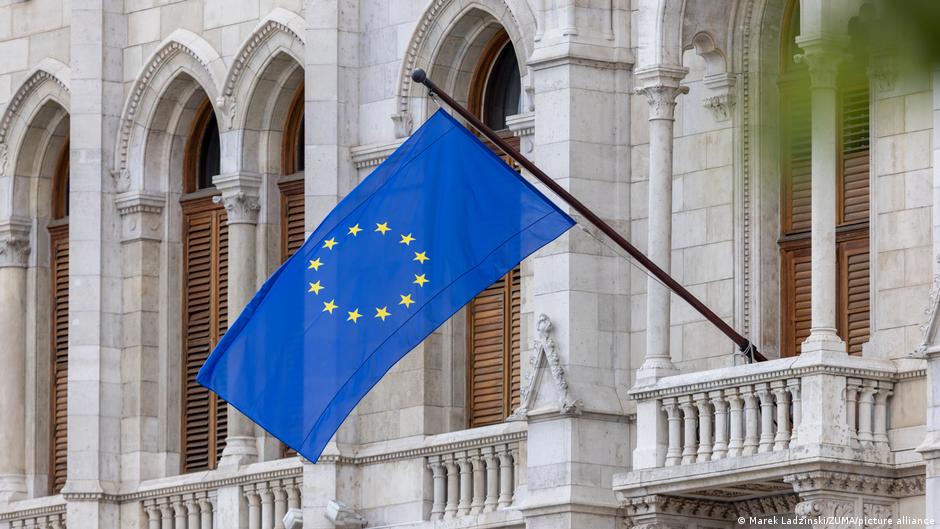
BRUSSELS — The European Union and the United States have struck a landmark trade agreement ahead of a critical deadline that would have triggered retaliatory tariffs on billions of dollars in European exports. The deal, announced this week, caps U.S. Tariffs on most EU goods at 15%—a ceiling that applies across key sectors including automobiles, semiconductors, and pharmaceuticals—while eliminating duties on strategic products like aircraft, certain chemicals, and critical raw materials. The agreement, which follows months of intense negotiations, aims to stabilize transatlantic trade at a time of global economic uncertainty.
President Ursula von der Leyen of the European Commission hailed the deal as a “building block” for the transatlantic partnership, emphasizing its role in providing “certainty in uncertain times.” The EU and U.S. Are the world’s two largest economies, with annual trade exceeding €1.7 trillion (European Commission), representing nearly 44% of global GDP. The agreement also includes provisions to address global overcapacity in steel and aluminum, as well as expanded energy cooperation, with the EU set to increase purchases of U.S. LNG and nuclear fuels to reduce reliance on Russian energy sources.
The deal comes as the EU races to meet a self-imposed deadline to avoid escalating tariffs imposed by the U.S. Administration, which had threatened to raise duties on European exports in response to long-standing disputes over subsidies and market access. While the exact timeline for finalizing the agreement has not been publicly confirmed, the provisional terms reflect a compromise that prioritizes stability over immediate concessions in certain sectors.
Key Terms of the EU-U.S. Trade Agreement
The agreement includes several critical provisions:
- 15% Tariff Ceiling: Most EU exports to the U.S. Will face a maximum tariff rate of 15%, applicable across sectors such as cars, semiconductors, and pharmaceuticals. This replaces variable rates and provides businesses with long-awaited clarity.
- Zero-for-Zero Tariffs: Duties will be eliminated on strategic products, including aircraft and components, certain chemicals, generics, semiconductor equipment, and agricultural products. The EU and U.S. Will continue negotiations to expand this list.
- Steel and Aluminum: Tariffs on these metals will be reduced, and a quota system will be introduced to address global overcapacity, which has strained both economies.
- Energy Cooperation: The EU will increase imports of U.S. Liquefied natural gas (LNG), oil, and nuclear fuels to bolster energy security and reduce dependence on Russian supplies.
Why This Deal Matters
The agreement is more than a commercial pact; it signals a broader effort to strengthen the transatlantic alliance at a time when geopolitical tensions are rising. With the U.S. And EU representing nearly half of global GDP, the deal is expected to have ripple effects across global supply chains, particularly in manufacturing and technology. For European businesses, the 15% tariff cap removes a significant uncertainty, allowing for better long-term planning in sectors heavily reliant on U.S. Markets.
However, the deal is not without its critics. Some EU lawmakers and industry groups have raised concerns about the potential for U.S. Tariffs to fluctuate in the future, particularly if political conditions change. Others argue that the agreement does not go far enough in addressing structural imbalances, such as U.S. Subsidies for domestic industries. The European Commission has emphasized that the deal is a “living document,” with provisions for future adjustments as needed.
Impact on Businesses and Consumers
For European automakers, the 15% tariff cap is a major relief. The EU’s automotive industry, which has faced tariffs as high as 27.5% on certain vehicles, stands to benefit from the new ceiling. Similarly, pharmaceutical companies exporting generics to the U.S. Will see reduced barriers, potentially lowering costs for American consumers. The semiconductor sector, a critical priority for both economies, will also see tariff reductions, which could accelerate innovation and investment.
On the consumer front, the elimination of tariffs on certain products—such as aircraft and chemicals—could lead to lower prices for goods that rely on these inputs. However, the broader economic impact will depend on how quickly businesses can adapt to the new trade terms and whether additional products are added to the zero-tariff list in future negotiations.
Next Steps and Uncertainties
The provisional agreement must now be formally approved by both the EU and U.S. Governments before it can take full effect. While the timeline for finalization has not been announced, sources close to the negotiations suggest that the EU is aiming to finalize the deal by the end of the year. The U.S. Administration, meanwhile, has indicated a willingness to move swiftly, given the urgency of avoiding further trade disruptions.
One key uncertainty remains: the potential for future U.S. Tariffs to exceed the 15% cap if new disputes arise. The agreement includes mechanisms for dispute resolution, but the political climate—particularly in the lead-up to the 2028 U.S. Presidential election—could introduce new variables. For now, both sides are focusing on the immediate gains, with the EU’s von der Leyen describing the deal as a “win-win for our citizens and businesses.”
What Happens Next?
The next critical checkpoint will be the formal ratification process, which could take several months. Businesses are advised to monitor updates from the European Commission’s trade portal and the U.S. Trade Representative’s office for official announcements. The EU and U.S. Have also committed to ongoing reviews to ensure the agreement remains effective in addressing new challenges, such as global supply chain disruptions and emerging technologies.
As the world’s two largest economies solidify their trade relationship, the agreement sets a precedent for how major powers can navigate complex economic and geopolitical landscapes. For now, the focus remains on implementation—and ensuring that the deal delivers the stability and growth it promises.
What are your thoughts on the EU-U.S. Trade deal? Will it benefit your industry or business? Share your insights in the comments below, and don’t forget to follow World Today Journal for ongoing coverage of this developing story.
Worth a look