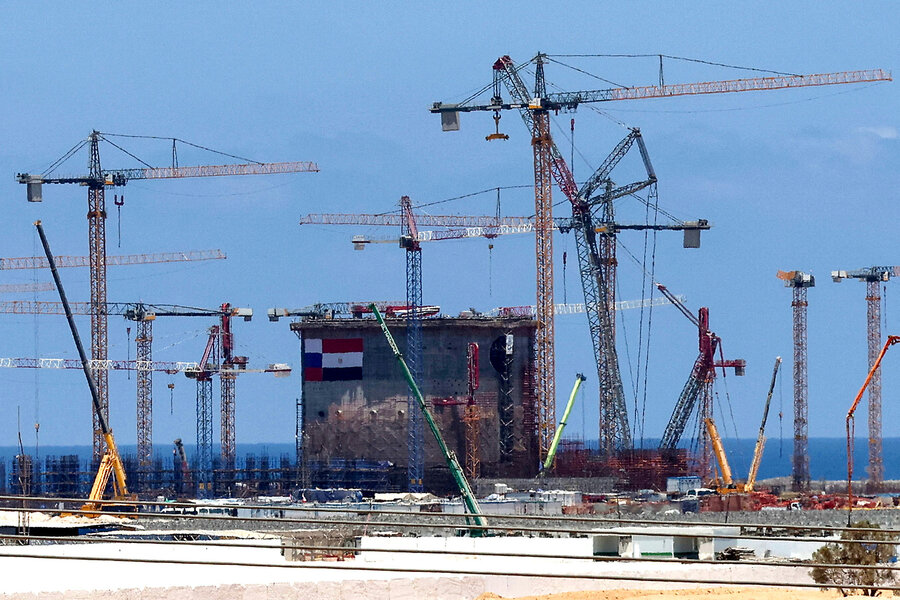
The recent diplomatic and defense discussions surrounding a proposed U.S.-Saudi civilian nuclear agreement have triggered a complex global debate, prompting international policy analysts and regional governments to re-evaluate the fine line between peaceful atomic energy programs and nuclear weapons development. According to reports from the Reuters news agency and policy assessments published by the Center for Strategic and International Studies, arrangements that grant sovereign states access to sensitive nuclear technology inevitably raise long-standing proliferation concerns across multiple continents.
As international stakeholders examine the strategic implications of high-stakes bilateral pacts in the Middle East, foreign ministries from Seoul to Riyadh are weighing the economic benefits of low-carbon power against the geopolitical pressures that accompany atomic infrastructure. Financial and defense analysts tracking these developments note that when major global powers ease restrictions or assist emerging economies with domestic energy grids, neighboring states frequently re-examine their own security doctrines.
The core policy question driving these discussions involves the dual-use nature of nuclear technology. Facilities designed to enrich uranium or reprocess spent fuel for civilian electricity generation can, under specific conditions, be adapted to produce fissile material for military applications. This structural reality has historically kept non-proliferation advocates on high alert, even as diplomatic architects argue that formal bilateral agreements provide tighter oversight and binding international safeguards than unregulated domestic programs.
Geopolitical Pressures and Regional Security Calculations
Diplomatic frameworks involving advanced nuclear assistance typically require stringent oversight mechanisms administered by the International Atomic Energy Agency. These safeguards are designed to ensure that materials transferred for peaceful energy production are not diverted toward military ends. However, security specialists emphasize that the physical infrastructure itself builds technical competence within a nation’s scientific workforce, shortening the theoretical timeline required to develop a weapons program should a government decide to alter its national security strategy.
In regions marked by historic rivalries and shifting alliances, the introduction of advanced atomic energy capabilities often alters the local balance of power. Neighboring governments observing bilateral negotiations frequently demand similar technological access to maintain strategic parity, a dynamic documented extensively in analyses by the James Martin Center for Nonproliferation Studies. This domino effect can transform a localized economic or energy pact into a multi-nation security dilemma.
Furthermore, global energy markets are undergoing a rapid transition toward low-carbon sources, elevating the demand for reliable base-load power. For rapidly industrializing nations, atomic energy offers a viable alternative to fossil fuels, reducing carbon footprints while insulating local economies from volatile oil and gas price fluctuations. Balancing these urgent domestic energy requirements against global non-proliferation norms remains one of the primary challenges facing contemporary international diplomacy.
Economic Costs and Technical Hurdles of Nuclear Infrastructure
Developing a sovereign nuclear program requires immense capital investment, highly specialized engineering talent, and decades of regulatory maintenance. According to data compiled by the World Nuclear Association, constructing modern commercial reactors involves multi-billion-dollar outlays and complex supply chains that few developing economies can navigate without substantial foreign assistance. Consequently, nations seeking to build domestic atomic sectors must choose between competing international vendors, each offering distinct financial terms and political conditions.
The economic stakes influence how other capitals perceive bilateral technology transfers. When an industrial powerhouse signs a high-profile civil nuclear cooperation accord, competing states monitor the provisions closely to gauge whether standard non-proliferation benchmarks—such as commitments to forgo domestic uranium enrichment—are being maintained or relaxed. Maintaining these strict legal standards is essential to preventing proliferation, yet overly rigid demands can sometimes push emerging nations toward alternative geopolitical partners offering fewer regulatory constraints.
As diplomatic channels remain active, international observers emphasize that transparency and robust verification protocols will determine whether future nuclear cooperation pacts stabilize regional energy grids or accelerate arms race anxieties. Policymakers, regulatory bodies, and security experts continue to monitor upcoming review conferences and bilateral legislative hearings for concrete updates on how safeguards will be enforced in practice.
Related reading