
For decades, obstetricians have navigated a high-stakes tightrope walk when managing pregnancies complicated by hypertension. On one side lies the drive to reach full term to ensure fetal lung maturity and neurological development; on the other lies the looming threat of maternal complications that can escalate with terrifying speed. For many expectant mothers and their clinical teams, the question has often been whether “waiting it out” is a safer strategy than intervening early.
New evidence is reshaping this clinical calculus. Recent systematic reviews, including those conducted by the Cochrane Library, suggest that a shift toward planned early delivery in cases of hypertensive disorders may significantly reduce the risk of severe maternal complications. Crucially, this move toward proactive management does not appear to come at the cost of increased cesarean section rates, addressing one of the most persistent concerns in modern obstetrics.
The implications of these findings are profound. By moving away from the “wait and see” approach—often referred to as expectant management—and toward a structured, planned delivery, healthcare providers may be able to preempt the most dangerous escalations of hypertensive disorders. This transition marks a pivotal moment in maternal healthcare, prioritizing the stability of the mother as a prerequisite for the safety of the infant.
The Evidence Base: Redefining Maternal Safety
Hypertensive disorders of pregnancy (HDP) remain a leading cause of maternal and neonatal morbidity and mortality worldwide. The tension in managing these cases often centers on the timing of delivery. Expectant management involves monitoring the mother and fetus closely in hopes of reaching a later gestational age, while planned early delivery involves scheduling an intervention before the onset of acute symptoms.
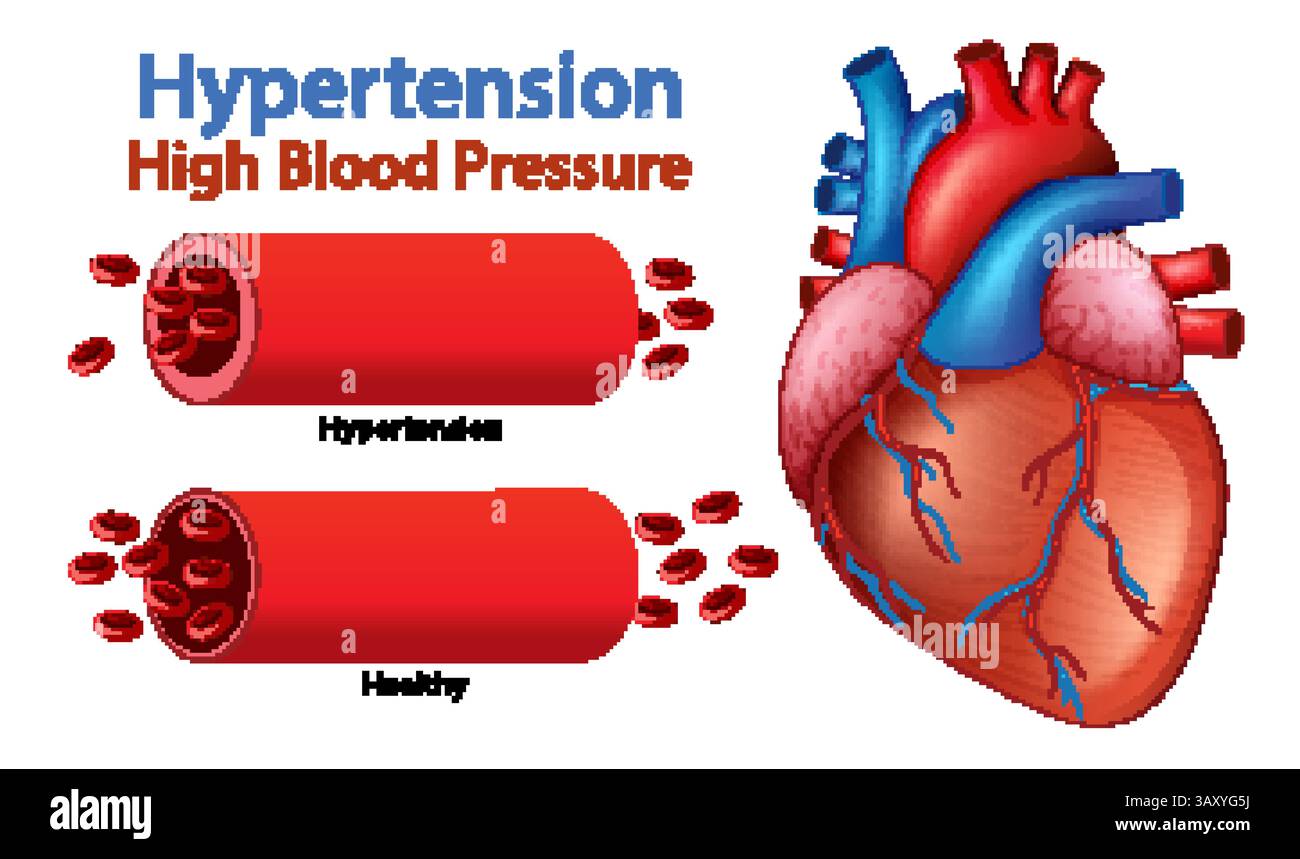
The data emerging from high-level systematic reviews suggests that the benefits of planned intervention are substantial. The findings indicate that for women experiencing certain hypertensive complications, planned early delivery can reduce the incidence of severe maternal morbidity (SMM). SMM is a critical metric in public health, encompassing life-threatening conditions such as organ failure, placental abruption, or the need for intensive care unit (ICU) admission.

One of the most significant breakthroughs in this research is the clarification regarding surgical intervention. A common fear among both clinicians and patients is that earlier delivery will inevitably lead to a higher volume of cesarean sections. However, current evidence suggests that when delivery is planned and managed within the context of hypertensive protocols, the rate of cesarean births does not see a corresponding increase. This suggests that the method of delivery—whether vaginal or surgical—is not necessarily dictated by the timing, but rather by the clinical stability of the patient and the presentation of the labor.
The Myth of “Waiting it Out”
The traditional inclination toward expectant management is rooted in a desire to protect the fetus from the complications of prematurity. In a healthy pregnancy, every extra day in the womb contributes to development. However, in a hypertensive pregnancy, the “waiting” period can become a period of mounting risk.
Research highlights a critical distinction: expectant management often does not prevent an emergency delivery; it merely delays it. When a mother’s blood pressure reaches critical levels or when signs of organ dysfunction appear, an emergency delivery becomes unavoidable. These emergency scenarios are inherently higher risk, as they are often characterized by sudden physiological instability, higher stress levels for both mother and baby, and a reduced window for optimal clinical preparation.
By opting for a planned delivery, clinicians can stabilize the patient, ensure the availability of necessary resources, and manage the transition into labor in a controlled environment. This proactive stance aims to intercept the progression from manageable hypertension to life-threatening crises like eclampsia or HELLP syndrome.
Understanding Hypertensive Disorders in Pregnancy
To understand why the timing of delivery is so critical, This proves essential to recognize the spectrum of hypertensive disorders that clinicians must manage. These are not monolithic conditions; they range from mild elevations in blood pressure to systemic failures.
- Gestational Hypertension: This is characterized by high blood pressure that develops after 20 weeks of pregnancy in a woman who previously had normal blood pressure. While it may not involve protein in the urine, it requires close monitoring to ensure it does not progress to preeclampsia.
- Preeclampsia: A more complex condition that involves high blood pressure and signs of damage to another organ system, most commonly the kidneys (indicated by protein in the urine). Preeclampsia can affect the liver, lungs, brain, and blood clotting capabilities.
- Eclampsia: This is the most severe stage, where preeclampsia progresses to include seizures. Eclampsia is a medical emergency that poses immediate risks to both the mother and the fetus.
- HELLP Syndrome: A severe variant of preeclampsia characterized by Hemolysis (breakdown of red blood cells), Elevated Liver enzymes, and Low Platelet count. This condition can lead to rapid organ failure.
The physiological driver behind these conditions is often placental dysfunction. When the placenta does not develop or function correctly, it can trigger a systemic inflammatory response in the mother, leading to widespread vascular issues and high blood pressure. Because this process can accelerate unpredictably, the window for safe intervention is often narrower than previously thought.
Implications for Clinical Practice and Global Health
The shift toward planned delivery in hypertensive pregnancies has significant implications for obstetric protocols and healthcare policy. As evidence-based medicine continues to refine our understanding of maternal risk, the “standard of care” must evolve to reflect these findings.
For hospitals and healthcare systems, So investing in robust monitoring technologies and ensuring that obstetric teams are trained in the nuances of proactive management. It also emphasizes the importance of multidisciplinary care, involving maternal-fetal medicine (MFM) specialists, intensivists, and neonatal experts to manage the complexities of both early delivery and hypertensive crises.
On a global scale, reducing severe maternal morbidity is a primary goal of organizations like the World Health Organization (WHO). Hypertensive disorders are a major contributor to maternal mortality in low- and middle-income countries, where access to intensive monitoring and emergency obstetric care may be limited. Implementing protocols that favor planned intervention where clinically indicated could serve as a vital tool in reducing preventable maternal deaths.
Key Takeaways
- Reduced Complications: Planned early delivery in hypertensive pregnancies is associated with a significant reduction in severe maternal morbidity.
- No C-Section Surge: Evidence suggests that scheduled early delivery does not lead to an increase in the rate of cesarean sections.
- Proactive vs. Reactive: Expectant management often only delays an inevitable emergency; planned delivery allows for a more controlled clinical environment.
- Clinical Focus: The goal is to balance fetal maturity with maternal stability, recognizing that maternal health is the foundation of fetal safety.
As medical science continues to advance, the dialogue between patients and providers will increasingly focus on these nuanced decisions. For expectant mothers, understanding these risks and the evidence behind delivery timing is essential for participating in shared decision-making with their medical teams.
Next Checkpoint: We will continue to monitor updates from major obstetric associations regarding revised clinical guidelines for the management of preeclampsia and hypertensive disorders.
Dr. Helena Fischer is the Editor of Health at World Today Journal. If you found this analysis helpful, please share this article with your network and leave your thoughts in the comments below.
Related reading