
Apple is currently navigating the advanced testing phase for a new iteration of its AirPods Pro, a development that signals a significant shift in how wearable technology interacts with the physical world. As the company refines its hardware, the integration of artificial intelligence remains at the forefront of its product roadmap, aiming to transform personal audio devices into more proactive, context-aware assistants.
The tech giant, which recently announced its upcoming Worldwide Developers Conference scheduled for June 8–12, 2026, is exploring ways to empower its digital assistant, Siri, to better understand a user’s surroundings. This initiative represents a four-year development effort focused on enhancing the utility of wearable devices beyond simple audio playback or noise cancellation.
Expanding the Role of Wearable AI
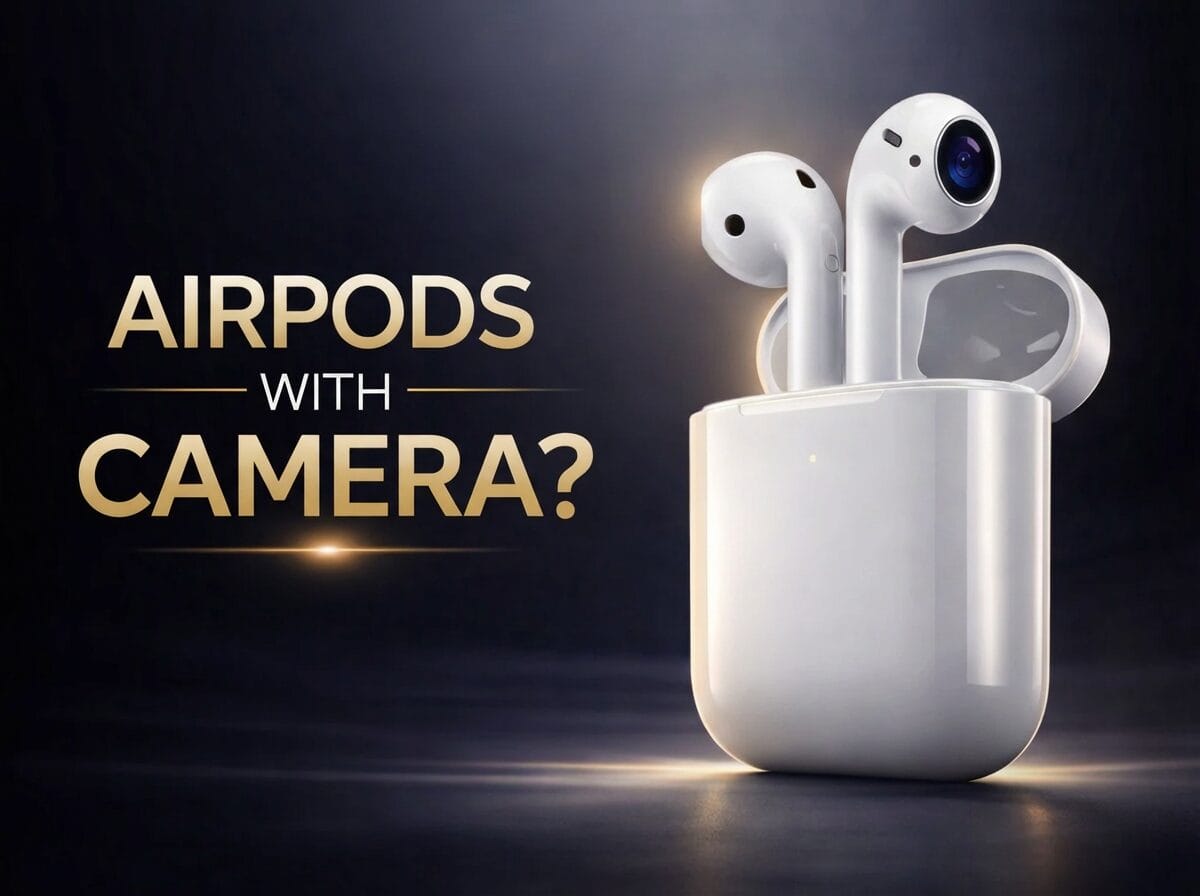
The primary innovation under development involves the inclusion of cameras within the AirPods Pro hardware. According to industry reports, these sensors are designed to capture visual data from the environment, which is then processed by artificial intelligence to provide real-time assistance. Unlike traditional camera-equipped devices, these sensors are not intended for capturing photos or recording videos, maintaining a strict focus on utility and privacy-centric design.

The core objective is to enable Siri to “see” what the user is looking at, allowing for more natural and intuitive interactions. For example, a user could theoretically ask the assistant questions about an object within their field of view, and the device would provide relevant information based on that visual input. This functionality aligns with the broader industry trend of integrating multimodal AI—systems capable of processing text, voice, and visual data—into consumer electronics.
Privacy and Design Considerations
As Apple moves closer to finalizing the design of these devices, the company is placing a heavy emphasis on transparency. Similar to the indicator lights found on other privacy-conscious wearable hardware, the new AirPods Pro are expected to feature a small LED that illuminates whenever the device is actively transmitting visual data to the assistant. This design choice is intended to reassure users that the cameras are only functioning when the system is engaged for specific, user-initiated tasks.

While the hardware design is reportedly nearing completion, the official release of these advanced features remains linked to the deployment of a significantly updated version of Siri. Apple has historically prioritized the synergy between its hardware and software ecosystems, and this project appears to be no exception. The company is currently refining how the AI interprets complex scenes and objects to ensure a seamless and reliable user experience before committing to mass production.
What In other words for the Future of AirPods
The development of these AI-powered AirPods Pro marks a potential turning point for Apple’s accessory lineup. By leveraging visual data, the company is looking to move Siri from a reactive voice command system to a more proactive companion that understands the user’s context. This evolution is particularly relevant as the competition in the wearable AI space intensifies, with various manufacturers experimenting with glasses, pins, and headsets to deliver similar capabilities.
For consumers, this means the next generation of AirPods could serve as a bridge between the physical and digital worlds. Whether it is identifying items in a store, translating signage, or providing context-aware information during a walk through a city, the potential applications for camera-assisted audio wearables are vast. However, the success of this technology will ultimately depend on the accuracy of the AI and the user’s comfort level with wearable visual sensors.
Key Considerations for the Future
- Contextual Awareness: Moving beyond voice-only input to include real-time environmental analysis.
- Privacy-First Integration: Using physical indicators to ensure users remain in control of when data is being captured.
- Software Synchronization: Ensuring the hardware capabilities match the intelligence of the upcoming, overhauled Siri platform.
As we await further details, the tech community continues to look toward the upcoming WWDC 2026 for potential glimpses into the software foundation that will support these new hardware features. Apple has not yet provided a definitive timeline for the public release of these specific AirPods Pro models, noting that the project is still in the advanced testing phase. We will continue to monitor official communications and industry developments regarding this story.
What are your thoughts on integrating cameras into wearable audio devices? Share your perspective in the comments below or join the conversation on our social channels.
Related reading