
The Strait of Hormuz has long been characterized as the world’s most critical maritime chokepoint, a narrow artery through which a significant portion of the globe’s seaborne oil passes. However, as global supply chains evolve and geopolitical tensions shift, the vulnerability of international trade extends far beyond this single waterway. For the global economy, the stability of maritime transit remains a foundational necessity, yet the risks are increasingly distributed across multiple strategic corridors.
As an international journalist, I have spent over 14 years analyzing how regional flashpoints translate into global economic tremors. From Sofia to the broader reaches of the Middle East, the reality remains clear: the security of energy and commodity transit is not defined by one strait alone. While attention frequently fixes on the Persian Gulf, the broader maritime security architecture involves a complex web of ports, coastal states, and international naval coalitions designed to prevent systemic disruption.
Beyond the Strait: A Global Maritime Perspective
The global energy landscape relies on the uninterrupted flow of hydrocarbons, with the U.S. Energy Information Administration (EIA) identifying the Strait of Hormuz as the world’s most essential oil chokepoint, through which approximately 21 million barrels per day (bpd) of petroleum liquids flowed in 2022. This figure represents roughly 21% of global petroleum liquids consumption. However, the economic impact of potential disruption is not limited to this single site, as alternative routes and regional port infrastructure play vital roles in mitigating risk. According to the U.S. Energy Information Administration, transit chokepoints are critical to global energy security, and their closure—even temporarily—can lead to substantial increases in total energy costs and world oil prices.
The strategic maneuvering of regional actors, including the United Arab Emirates (UAE) and Iran, frequently influences the risk profile of these waters. The UAE, in particular, has sought to diversify its export capabilities, notably through the development of the Habshan-Fujairah oil pipeline, which allows for the transport of crude oil directly to the Gulf of Oman, bypassing the Strait of Hormuz entirely. This infrastructure project underscores a wider trend: nations are proactively investing in redundancy to insulate their economies from regional volatility.
Geopolitical Risks and Economic Consequences
The intersection of maritime security and global commerce is perhaps nowhere more sensitive than in the Persian Gulf. When tensions rise, the shipping industry faces immediate challenges, ranging from increased insurance premiums to the potential for rerouting vessels. For mariners and logistics providers, the decision to remain in high-risk zones or depart is often a calculation of operational viability versus extreme risk. The International Maritime Organization (IMO) continues to emphasize the importance of international cooperation in maintaining the safety and security of international shipping lanes, as outlined in their ongoing maritime security initiatives.
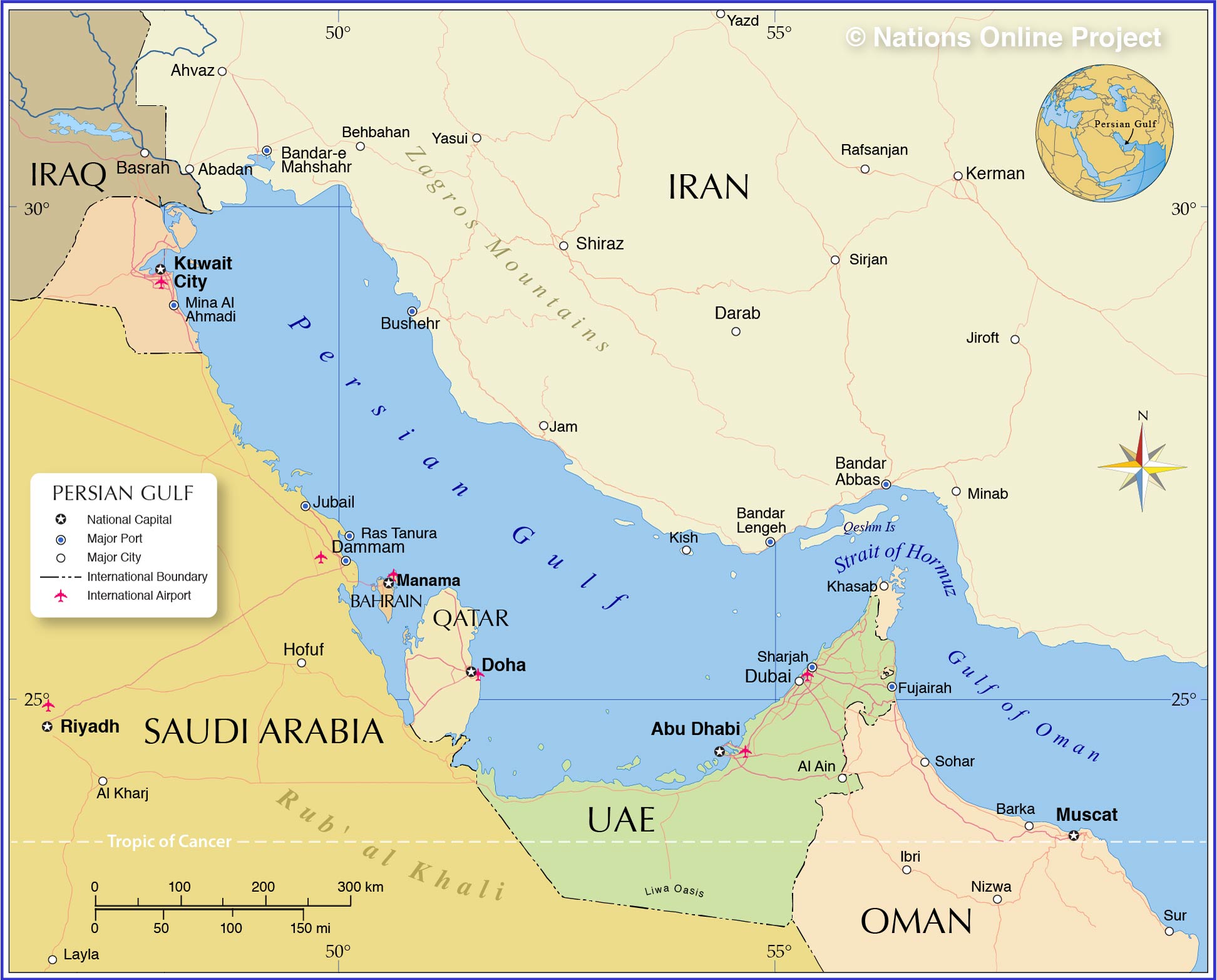
The economic stakes are high. When global markets perceive a threat to supply continuity, the immediate reaction is often price volatility. This sensitivity is a reminder that the “chokepoint” concept is not merely a geographic reality but a psychological one for the financial markets. The interconnectedness of modern supply chains means that a delay at a primary chokepoint can ripple through to manufacturing hubs in Asia and consumer markets in Europe and the Americas within weeks.
Strategic Diversification and Future Resilience
The maritime industry is currently navigating a period of significant transition. Aside from traditional security concerns, the sector is grappling with the demands of decarbonization and the necessity for technological upgrades in shipyards. As noted in recent industry assessments, the global demand for new, efficient vessels remains high, driven by the need to modernize fleets to meet environmental standards and operational efficiency requirements. The United Nations Conference on Trade and Development (UNCTAD) highlights in its Review of Maritime Transport that the sustainability of the global maritime sector is contingent upon both geopolitical stability and the rapid adoption of greener technologies.

For the average reader, these developments might seem distant, but the cost of goods and energy is directly tied to the efficiency of these maritime corridors. Whether it is the expansion of port facilities in the Gulf or the implementation of new naval security patrols, these efforts are all part of a broader strategy to maintain the flow of global trade. The ability of the international community to safeguard these routes will determine the pace of economic recovery and future growth.
Key Takeaways on Global Maritime Security
- Geographic Concentration: While the Strait of Hormuz is the most cited chokepoint, it is part of a broader, vulnerable global network that includes the Suez Canal, the Bab el-Mandeb Strait, and the Malacca Strait.
- Infrastructure as Defense: Strategic investments in pipelines and diversified port infrastructure are primary tools nations use to reduce their dependency on single-point transit routes.
- Economic Sensitivity: Energy markets remain highly reactive to perceived threats in maritime corridors, leading to potential price spikes that affect global inflation.
- International Cooperation: Security in these regions depends on the collaboration of international naval forces and adherence to international maritime law as governed by the United Nations Convention on the Law of the Sea (UNCLOS).
As we look toward the remainder of 2026, the focus for policymakers and global institutions will likely remain on maintaining the “freedom of navigation” in these critical waters. The next significant updates regarding maritime security protocols are expected during the upcoming sessions of the IMO’s Maritime Safety Committee, where member states will continue to evaluate the evolving threat landscape. We encourage our readers to share their perspectives on the intersection of geopolitics and global trade in the comments section below.