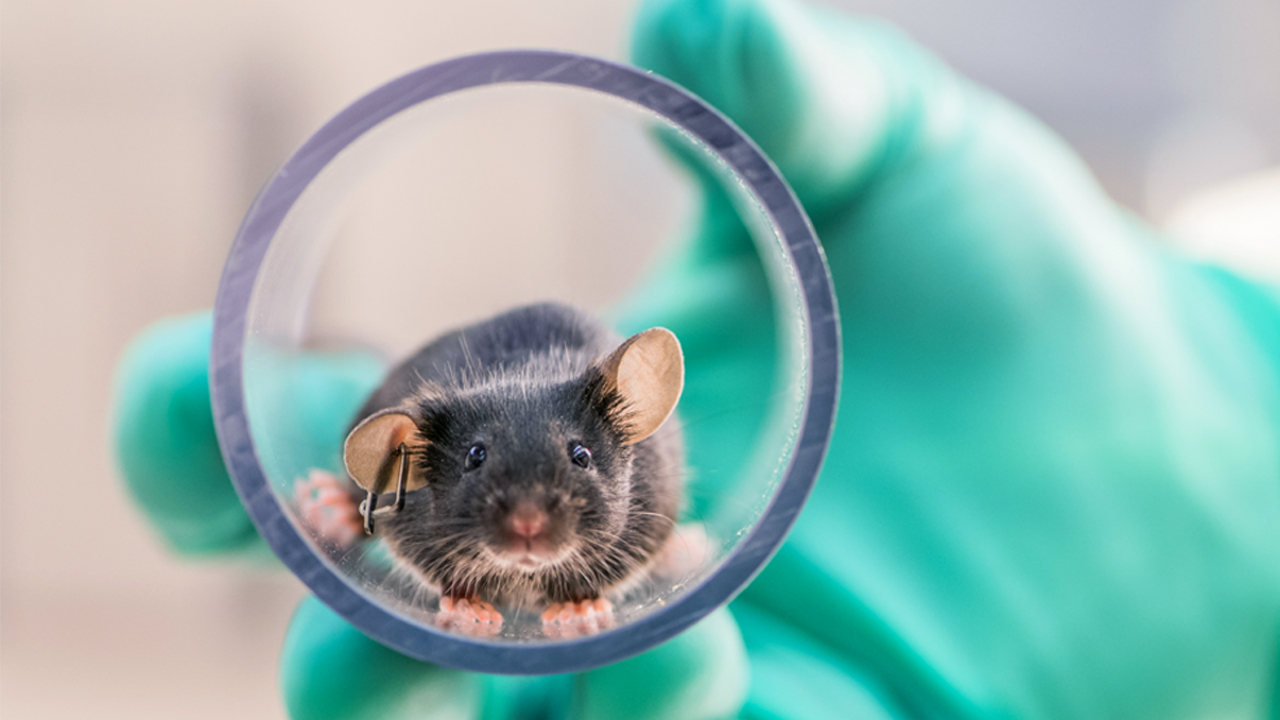
The landscape of pharmacological research is undergoing a significant transformation as emerging technologies offer new ways to refine, reduce, and replace the use of animal models in clinical testing. Recent advancements in artificial intelligence are now being positioned as a powerful tool to accelerate this shift, with researchers exploring how machine learning can potentially cut the reliance on laboratory animals by as much as 50% in specific testing phases. This development marks a pivotal moment for the scientific community, which has long grappled with the ethical and logistical challenges of traditional animal-based testing methodologies.
As we navigate this intersection of high-tech innovation and laboratory ethics, the potential for AI to streamline drug development is becoming increasingly tangible. By modeling biological responses through computational power, scientists are beginning to simulate outcomes that were previously only observable through live testing. This is not merely a theoretical exercise; it represents a fundamental change in how we approach the rigor and efficacy of new pharmaceuticals, aiming to maintain safety standards while significantly lowering the footprint of animal usage in laboratories.
The Role of AI in Modern Pharmacology
Artificial intelligence is currently being integrated into the drug discovery pipeline to predict the toxicity and efficacy of chemical compounds before they ever reach a physical laboratory. By leveraging large-scale datasets from previous studies, these models can identify patterns that human researchers might miss, thereby narrowing the field of candidates that require intensive validation. This process is essential for reducing the total number of subjects required in the early stages of drug development, a practice often referred to within the scientific community as the “3Rs” principle—Replacement, Reduction, and Refinement.
The integration of these computational tools is supported by regulatory bodies that are increasingly open to non-animal alternatives, provided they meet strict validation criteria. According to the U.S. Food and Drug Administration (FDA), the agency is actively working to advance alternative methods to animal testing, recognizing that these technologies can improve the predictability of clinical trials. As AI models become more sophisticated, their ability to mimic complex human biological systems—such as organ-on-a-chip technologies combined with machine learning—is expected to provide more accurate data than traditional rodent models, which do not always perfectly translate to human outcomes.
Addressing the Statistical Reality
The movement toward reducing animal use is particularly relevant given the high volume of research activity globally. While specific national figures can fluctuate based on reporting standards, the scale of animal usage in research remains a significant point of discussion for policymakers and ethicists alike. In the European Union, for instance, transparency regarding the use of animals is mandated, and reports from the European Commission highlight the ongoing efforts to transition toward sustainable, non-animal research methods. These reports provide a framework for understanding how many animals are involved in experimental procedures, helping to benchmark the success of reduction strategies.
For the pharmaceutical industry, the incentive to adopt AI is twofold: ethical responsibility and economic efficiency. Developing a new drug is a multi-billion dollar, decade-long endeavor, and failures late in the pipeline are costly. By using AI to “fail fast” during the discovery phase, companies can save substantial resources while simultaneously addressing the growing public demand for more humane testing practices. This shift is not just about reducing numbers; it is about increasing the precision of pharmacological research.
Challenges and Future Outlook
Despite the promise of AI, the path forward is not without hurdles. The primary challenge remains the “black box” nature of some machine learning algorithms. Regulators require complete transparency and explainability in how a drug’s safety profile is determined. If an AI predicts that a compound is safe, researchers must be able to demonstrate the biological rationale behind that conclusion. The scientific community is focusing on developing “explainable AI” (XAI) that can provide the necessary evidence to satisfy both regulatory requirements and scientific peer review.
the transition to AI-driven research requires a significant investment in digital infrastructure and interdisciplinary talent. Laboratories must be equipped to handle vast amounts of data, and researchers need to be trained in both pharmacology and computational science. As noted by the National Centre for the Replacement, Refinement and Reduction of Animals in Research (NC3Rs), the adoption of these technologies is a collaborative effort that involves partnerships between academia, the private sector, and government agencies to ensure that new methods are robust, reproducible, and reliable.
Key Considerations for the Future of Research
- Regulatory Validation: New AI-based methods must undergo rigorous validation processes to ensure they match or exceed the predictive accuracy of existing animal models.
- Data Quality: The effectiveness of AI is dependent on the quality of historical data; initiatives to standardize and share research data across institutions are essential.
- Ethical Frameworks: As AI takes on a larger role, the ethical guidelines governing research must evolve to include oversight for computational testing models.
As we look toward the remainder of 2026, the scientific community expects to see more peer-reviewed studies detailing the success of these AI models in real-world clinical applications. The goal remains clear: to achieve a future where pharmaceutical innovation does not come at the expense of animal welfare. The continued development of these technologies will be a central theme in medical conferences and regulatory discussions throughout the coming months. We will continue to monitor the progress of these initiatives and provide updates on how these advancements are being adopted by major pharmaceutical firms and research institutions worldwide.

What are your thoughts on the role of artificial intelligence in medical research? Do you believe technology can fully replace traditional models in the near future? Join the conversation in the comments section below and share this article to keep the discussion moving forward.