
The landscape of live-service gaming is undergoing a significant transformation and recent updates from Bungie regarding the future of Destiny 2 have sparked intense industry debate. For nearly a decade, the franchise has served as a cornerstone of the loot-shooter genre, but the studio’s recent strategic pivot has left many players questioning the long-term roadmap for one of the most recognizable titles in the PlayStation ecosystem.
As a technology editor who has followed Bungie’s trajectory since their transition to an independent subsidiary under Sony Interactive Entertainment, I have observed that the studio is currently navigating a period of profound structural change. Amid reports of workforce reductions and shifting development priorities, We see essential to distinguish between the end of a specific content cycle and the cessation of the game itself. Contrary to some speculation circulating in enthusiast circles, Destiny 2 is not being shut down. rather, it is evolving into a new model of content delivery known as “Frontiers.”
Understanding the Shift to “Frontiers”
In a detailed communication to the community, Bungie leadership confirmed that the era of traditional, large-scale annual expansions—the hallmark of the Destiny experience—is coming to an end. Instead, the studio is moving toward a model characterized by smaller, more frequent content drops. This decision reflects a broader trend in the software industry, where developers are moving away from massive, resource-heavy releases in favor of sustainable, iterative updates that reduce developer burnout and allow for more agile project management.
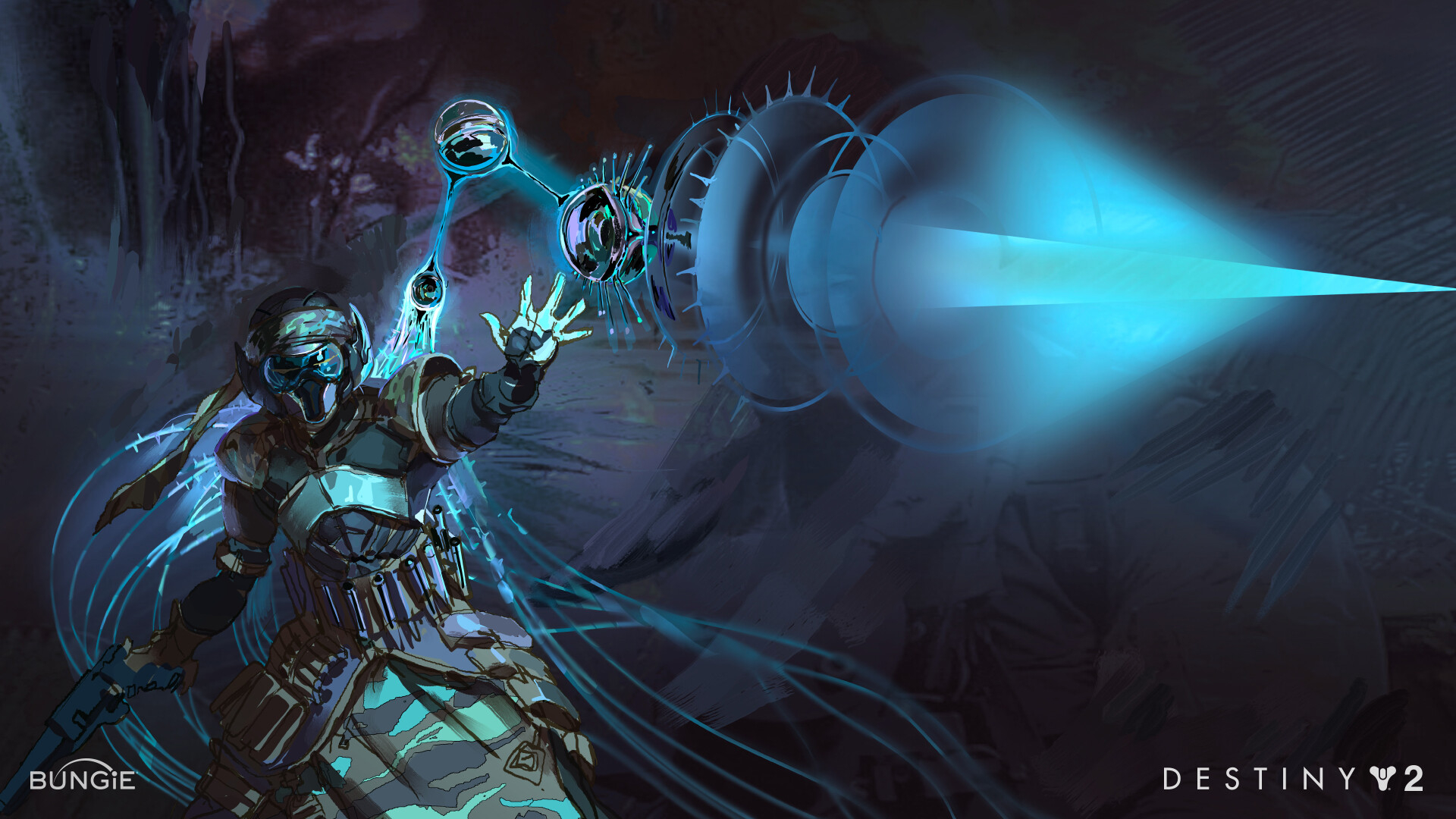
According to the official Bungie development update, the upcoming project codenamed “Frontiers” aims to revitalize the core gameplay loop. This shift is not merely a change in branding but a fundamental change in how the studio allocates its engineering and creative resources. By moving away from the “annual expansion” cadence, Bungie intends to focus on systemic improvements that have been requested by the player base for years, such as enhanced core activities and deeper customization options.
PlayStation’s Role and Studio Stability
The conversation surrounding Bungie often turns to its parent company, Sony Interactive Entertainment, which acquired the studio in a deal valued at approximately $3.6 billion in 2022. While some analysts view the current reorganization as a sign of institutional failure, it is more accurately described as a period of intense integration and economic recalibration. The gaming industry has faced significant macroeconomic headwinds, leading to widespread layoffs across major tech and gaming firms, including Bungie’s own reduction in staff during the summer of 2024.

For PlayStation, the acquisition was intended to bolster their “Games as a Service” (GaaS) portfolio. However, the performance of Destiny 2 in its current state, coupled with the cancellation of other internal projects, has placed pressure on the studio to prove the long-term viability of its live-service strategy. The current focus is on stabilizing the existing product while ensuring that the studio’s internal talent is aligned with the new, more sustainable development trajectory.
Key Takeaways for the Destiny Community
For those invested in the world of Destiny, the transition period brings several critical changes to note:
- End of Annual Expansions: The traditional model of yearly, major content releases is being replaced by more frequent, smaller content updates.
- Focus on Core Gameplay: The studio has committed to addressing long-standing requests regarding core game mechanics and player-requested quality-of-life updates.
- Stability and Transition: Bungie is currently in a phase of internal restructuring, which has resulted in public-facing changes to their long-term development roadmap.
- Ongoing Support: Despite rumors of a “shutdown,” the servers remain active, and the studio continues to provide seasonal updates and maintenance.
What Happens Next?
The immediate future for Destiny 2 involves the rollout of the “Frontiers” initiative. Players should look for official communications through the studio’s official news portal, which remains the only verified source for updates regarding game patches, content calendars, and long-term development milestones. As the industry continues to evolve, the ability of studios like Bungie to adapt their development pipelines will serve as a bellwether for the future of the live-service model.

As we monitor these developments, the narrative of “failure” is an oversimplification of a complex corporate and creative transition. The real story lies in whether Bungie can successfully pivot its internal culture and development philosophy to meet the changing expectations of a global audience. I encourage our readers to share their thoughts on the evolution of live-service games in the comments below, and stay tuned to our Tech section for further analysis as more details on “Frontiers” emerge.