
SpaceX is preparing for a landmark moment in aerospace history today, May 21, 2026, as the company readies its latest iteration of the Starship launch vehicle for its inaugural flight. The mission, originating from the Starbase facility in South Texas, represents the 12th test flight of the program and showcases the most powerful rocket ever developed by the organization led by Elon Musk.
The launch window for this highly anticipated event is set for a 90-minute duration, beginning at 22:30 GMT. As the aerospace community turns its attention to the Gulf Coast, the mission serves as a critical milestone for both SpaceX’s ongoing development of reusable launch systems and the broader objectives of NASA’s Artemis program, which aims to return humans to the lunar surface. The Artemis program, coordinated by NASA, relies on the success of heavy-lift vehicles to facilitate long-term lunar exploration and eventual missions to Mars.
Engineering the Future of Spaceflight
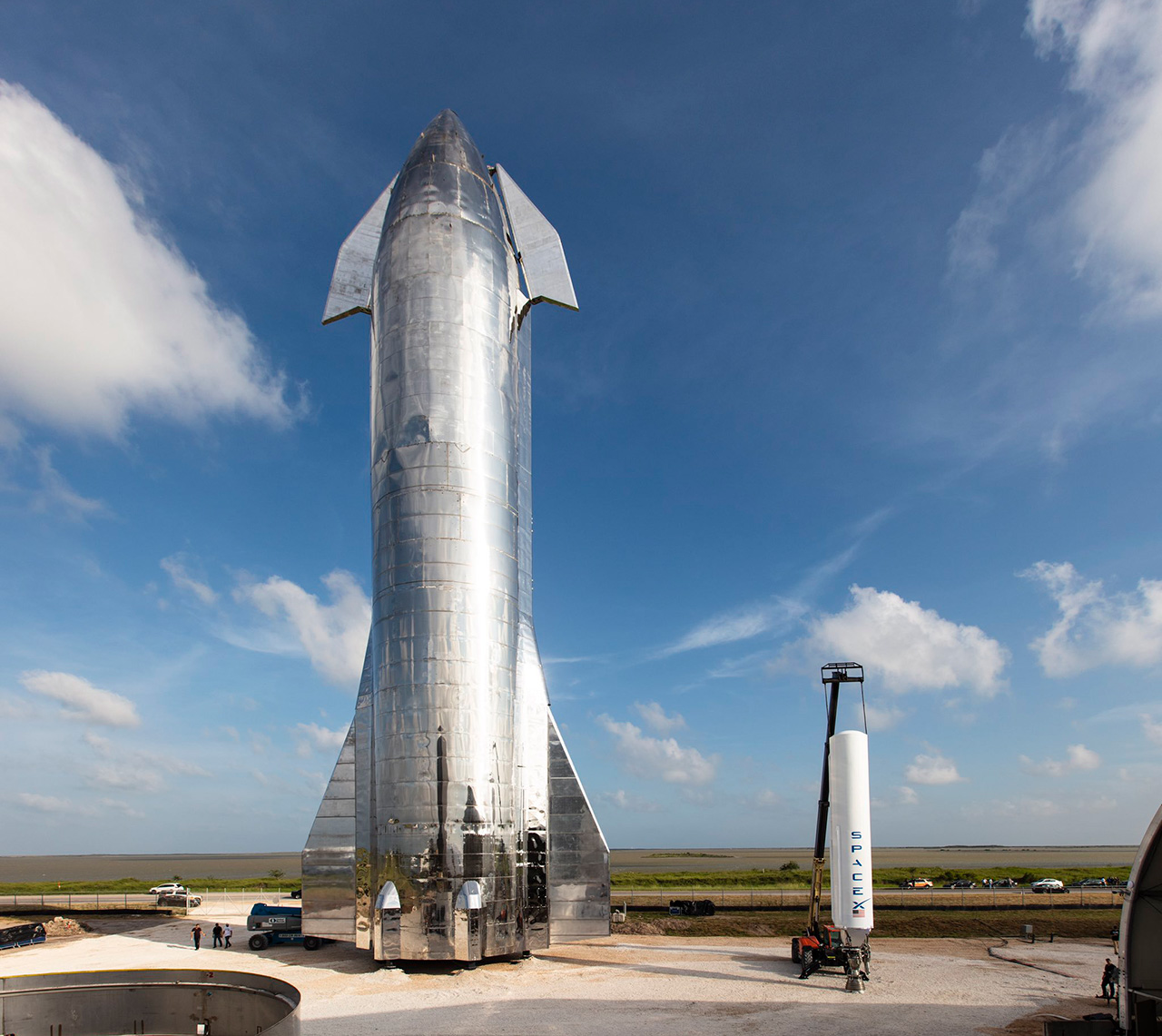
The vehicle slated for today’s flight, known as Starship V3, stands as a testament to the rapid iteration cycles that define SpaceX’s engineering philosophy. Standing at 124.4 meters tall, the rocket is the largest and most potent launch system to date. Its propulsion system is powered by 33 Raptor engines integrated into the Super Heavy booster, designed to provide the thrust necessary to lift the massive structure into a suborbital trajectory.
The flight profile for this 12th test mission follows a familiar, yet refined, operational sequence. SpaceX intends to execute controlled splashdowns for both the Super Heavy booster and the upper stage, commonly referred to as the Ship. These maneuvers are essential for validating the company’s commitment to full and rapid reusability. According to official SpaceX documentation, the ability to recover and relaunch both stages of the vehicle is the cornerstone of their strategy to significantly reduce the cost of access to space.
Strategic Importance and Global Impact
The stakes for this launch extend beyond mere technical demonstration. For the global aerospace industry, the successful debut of the V3 configuration signals a shift toward a new era of heavy-lift logistics. By increasing payload capacity and improving the efficiency of the landing and recovery process, SpaceX aims to support the logistics requirements of the Artemis lunar missions.
The integration of Starship into the NASA supply chain is a pivotal development in current space policy. As outlined by the National Aeronautics and Space Administration, the collaboration involves multiple private sector partners to ensure the sustainability of human presence on the Moon. Today’s flight test provides the necessary data to refine the vehicle’s performance characteristics, ensuring that subsequent iterations meet the rigorous safety and reliability standards required for crewed flight.
Key Technical Advancements
The V3 iteration incorporates several hardware and software upgrades compared to its predecessors. While the fundamental architecture remains consistent—a two-stage, fully reusable vehicle—the specific refinements in the V3 model focus on thermodynamic management during atmospheric reentry and precision control during the terminal phase of the landing burn. These adjustments are critical for protecting the vehicle’s integrity and ensuring the accuracy of the splashdown location.
For those interested in following the mission as it unfolds, SpaceX provides live updates and streaming through its official launch portal. These broadcasts offer real-time telemetry data, allowing observers and industry analysts to monitor the performance of the Raptor engine array and the flight dynamics of the Ship throughout its suborbital arc.
Looking Toward the Next Milestone
As the countdown proceeds toward the opening of the launch window, the focus remains on the primary objectives: achieving a successful liftoff, maintaining vehicle stability through max-Q, and executing the planned separation and descent maneuvers. Following the completion of this flight, SpaceX is expected to conduct a comprehensive post-flight analysis to review telemetry and structural integrity data.
The next confirmed checkpoint for the program will be the publication of the post-mission summary, which will inform the flight readiness review for the 13th test mission. We will continue to cover the developments of the Starship program as they occur. We invite our readers to share their thoughts on the implications of this mission for the future of space exploration in the comments section below.
Keep reading