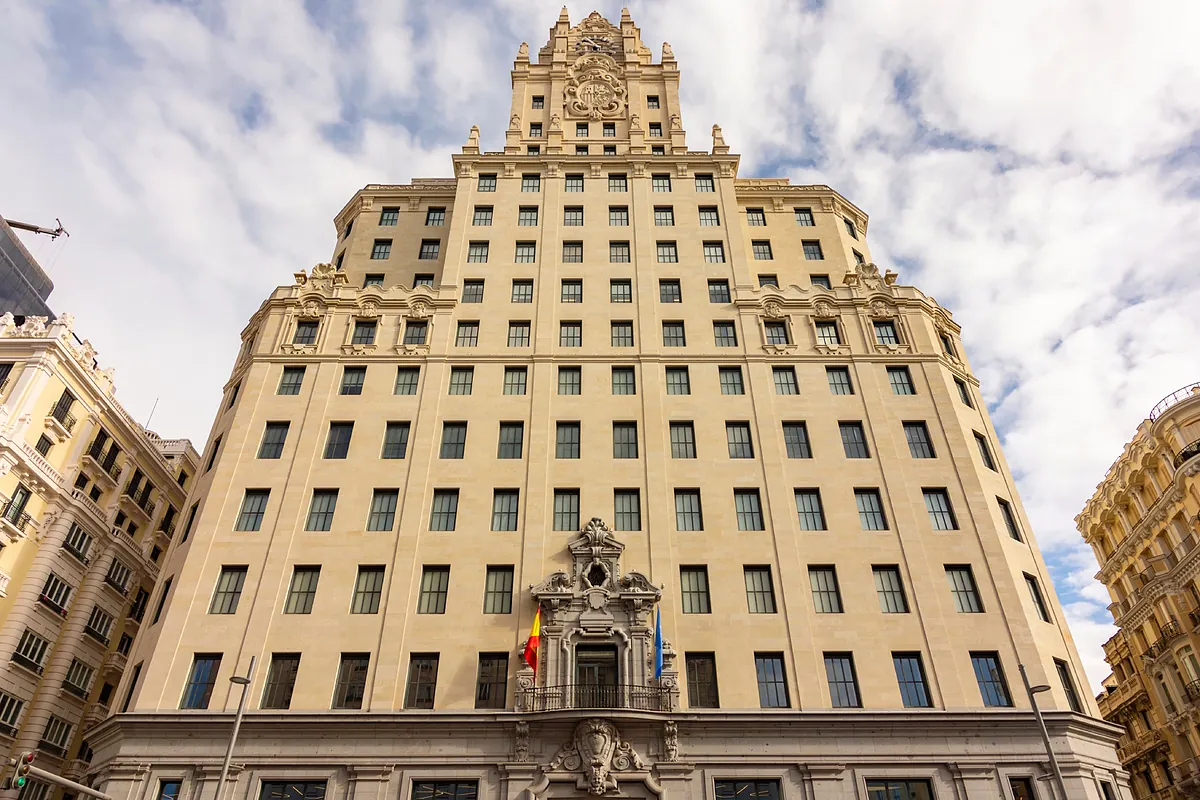
Telefónica, the Spanish telecommunications giant, has moved to divest one of its most iconic assets: the historic headquarters located at Gran Vía 28 in Madrid. The potential sale of this landmark property to businessman Tomás Olivo marks a significant shift in the company’s real estate strategy as it continues to focus on debt reduction and core infrastructure investment.
The transaction, which has drawn considerable attention from the European real estate and financial sectors, reportedly carries a valuation in the range of 200 million to 300 million euros. While the company has not issued a formal regulatory filing confirming the final terms, the move aligns with a broader corporate initiative to rationalize property holdings that are no longer essential to daily operations. The building, which first opened its doors in 1929, remains a cultural and architectural fixture of the Spanish capital, serving as the face of the company for nearly a century.
Strategic Asset Rationalization
For Telefónica, the decision to offload the Gran Vía property is part of a pragmatic approach to capital management. In recent years, the multinational has systematically moved away from maintaining legacy real estate in favor of its modern corporate campus, the Distrito Telefónica, situated on the outskirts of Madrid. This strategy is designed to unlock capital that can be redirected toward critical areas such as network modernization and the ongoing reduction of the firm’s debt obligations. According to recent financial reports and public statements, the company maintains a disciplined focus on optimizing its balance sheet to navigate the current macroeconomic environment effectively.
The transition of the Gran Vía building—which currently houses the company’s public-facing “Espacio Movistar”—reflects a common trend among major telecommunications firms as they pivot from property ownership toward more flexible operational models. By offloading non-essential assets, the company ensures that its primary focus remains on the deployment of advanced fiber-optic and 5G networks, which are essential for maintaining its competitive edge in the European market.
The Landmark at Gran Vía 28
The building at Gran Vía 28 is more than just a former corporate office; it is a symbol of Spanish urban development. Inaugurated in 1929, the structure has presided over the heart of Madrid’s commercial life for decades. Its sale to Tomás Olivo, a prominent figure in the real estate development sector, suggests that the property will likely undergo a transition in use while retaining its status as a core architectural asset in the city center.
Historically, the building served as the operational nerve center for Telefónica. However, as the company’s needs evolved, the shift toward the Distrito Telefónica campus became a necessity for accommodating the modern workforce. Despite this migration, the Gran Vía address has retained its symbolic importance, serving as a gateway for the public to engage with the brand through its retail and cultural spaces.
Market Implications and Next Steps
The involvement of institutional advisors in the sale process underscores the complexity of managing such a high-profile asset. Transactions of this magnitude require careful navigation of urban planning regulations and historical preservation mandates, which are strictly enforced for landmark properties in central Madrid. Investors and market analysts are now watching closely to see how the change in ownership might impact the site’s future utility, particularly concerning its cultural footprint in the city.
Telefónica has not yet provided a confirmed closing date for the transaction, nor has it released a definitive statement regarding the specific conditions of the handover. Stakeholders interested in the company’s real estate portfolio and financial health should monitor future quarterly earnings calls and official regulatory filings for further updates on the finalization of the sale. As the company continues to execute its strategic roadmap, the focus will remain on how these divestments impact long-term shareholder value and infrastructure capacity.
We invite our readers to share their thoughts on the evolution of corporate real estate in the digital age. How do you view the balance between preserving historical landmarks and the need for corporate efficiency? Join the conversation in the comments section below.
Keep reading