
As a physician, I have long observed that the human body functions not as a collection of isolated systems, but as a deeply interconnected network. In my clinical practice, we often focus on the specific location of a disease, yet emerging science continues to highlight that our overall health often begins in the mouth. The oral microbiome—the complex community of microorganisms residing in the oral cavity—is increasingly recognized by the scientific community as a critical junction for both oral and systemic well-being.
The impact of the oral microbiome on the body is a subject of growing importance in medical research. By maintaining a balance of these microorganisms, we support not only our dental health but potentially our systemic health as well. Understanding these connections is essential for patients and practitioners alike as we move toward more personalized approaches to chronic disease management.
The Complexity of the Oral Microbiome
The oral cavity serves as the primary gateway to the digestive and respiratory tracts. It hosts a vast, diverse ecosystem of bacteria, fungi, viruses, and archaea. According to recent scientific reviews, the composition of this microbiome is influenced by a variety of factors, including host genetics, dietary habits, oral hygiene practices, and environmental exposures (Oral Microbiome: A Review of Its Impact on Oral and Systemic Health). When this delicate balance is disrupted, a state of dysbiosis can occur, which may contribute to the development of oral diseases such as periodontitis and dental caries.
Research published in the journal Microorganisms underscores that the oral cavity is not merely a site of local infection but a potential reservoir for pathogens that can influence systemic health. The migration of these microorganisms or their byproducts into the bloodstream can trigger inflammatory responses elsewhere in the body. This mechanism is currently a significant area of focus for researchers examining the links between oral health and various systemic conditions.
Connecting Oral Health to Systemic Outcomes
The relationship between oral health and systemic disease is characterized by complex biological pathways, primarily driven by chronic inflammation. For instance, the presence of periodontal disease—a chronic inflammatory condition of the gums—has been studied in relation to several systemic health challenges. While clinical research is ongoing, the evidence suggests that the health of the oral environment should be considered a vital component of a patient’s overall health profile.
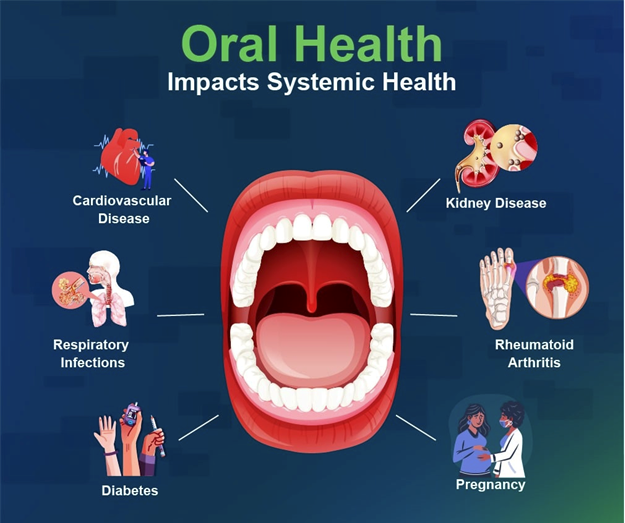
It is important to emphasize that while associations have been observed in numerous studies, establishing definitive causality requires rigorous, large-scale clinical trials. The medical community continues to investigate how specific bacterial strains within the oral cavity correlate with different systemic pathologies. This focus on “personalized oral health” aims to leverage our understanding of individual microbial profiles to better predict, prevent, and manage chronic conditions.
Key Considerations for Patients
- Preventive Care: Regular dental examinations are essential for detecting early signs of microbial imbalance or inflammation before they progress.
- Holistic Health: Patients should discuss their oral health status with their primary care physicians, particularly when managing chronic systemic conditions.
- Lifestyle Factors: Diet, smoking status, and consistent oral hygiene remain the most effective tools for maintaining a healthy oral environment.
The Future of Oral-Systemic Research
The field of oral microbiome research is evolving rapidly, moving beyond descriptive studies toward functional analysis. By identifying the specific roles that different microorganisms play, scientists hope to develop targeted therapies that can modulate the oral microbiome to promote health. This could lead to new interventions that reduce the risk of systemic inflammation originating from the oral cavity.
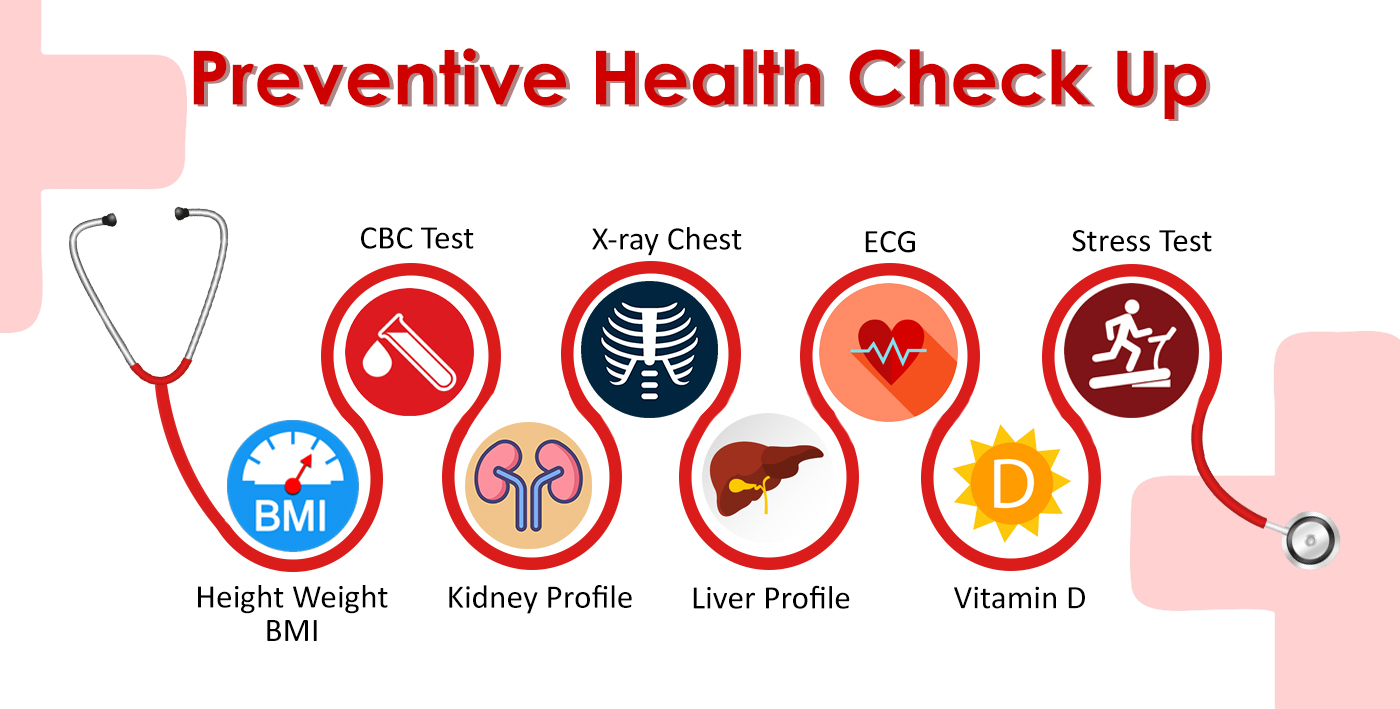
As we look forward, the integration of dentistry and general medicine will likely become more seamless. This multidisciplinary approach is vital for addressing the root causes of disease and improving long-term health outcomes for patients worldwide. I encourage our readers to stay informed through reputable medical literature and to consult with healthcare professionals regarding any concerns about their oral-systemic health.
We will continue to monitor major peer-reviewed journals and clinical updates for new findings in this rapidly expanding field. If you have questions or wish to share your perspective on the importance of oral health in your own wellness journey, please leave a comment below or join the conversation on our social channels.
Related reading