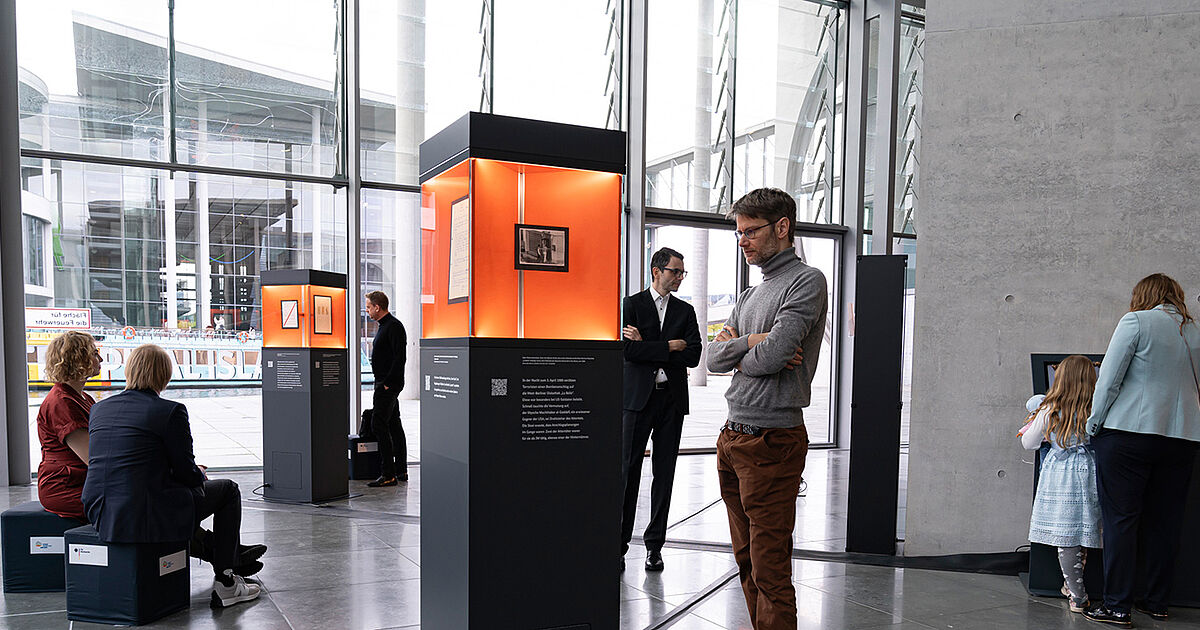
The Federal Archives of Germany, known as the Bundesarchiv, maintain a profound responsibility in preserving the historical record of the German Democratic Republic (GDR). Among their most significant public outreach initiatives is the touring multimedia exhibition “History and Remembrance,” which provides an interactive lens into the evolution of the archives and the legacy of the former East German state.
As the institution continues its mission to provide transparency regarding the history of the Ministry for State Security—commonly referred to as the Stasi—it has utilized these traveling displays to bring archival records and institutional history to cities across Germany, including Frankfurt am Main. By engaging the public in spaces like the German National Library, the Bundesarchiv aims to demystify the complex process of archival research and the ongoing management of sensitive historical documents.
Understanding the Role of the Stasi Records Archive
The Ministry for State Security, or Stasi, functioned as the secret police and intelligence agency for the GDR from 1950 until 1990. During its existence, it maintained a pervasive influence over East German society, utilizing a vast network of unofficial collaborators to monitor, intimidate, and suppress dissent. Following the dissolution of the agency, the management of its massive volume of records became a critical task for the German state.
On June 17, 2021, the responsibility for the Stasi Records Archive was officially transferred to the Federal Archives. This transition marked a significant milestone in the centralization of German historical documentation. The archive serves not only as a repository for the files created by the secret police but also as a resource for individuals seeking to understand the impact of the regime on their own families and the broader history of the SED dictatorship.
Exhibition Highlights and Interactive Learning
The “History and Remembrance” exhibition is designed to address fundamental questions regarding archival access and the nature of historical evidence. Visitors are invited to explore how the Federal Archives operate, the challenges archivists face in digitizing sensitive materials, and how historical sources can be used to combat the spread of misinformation. The exhibit occupies a compact space—approximately nine square meters—yet it manages to offer a dense, interactive experience through multimedia stations.

The exhibition serves multiple educational purposes:
- Archival Transparency: It explains the legal and practical framework for how and when documents can be viewed by the public.
- Institutional Transformation: It details the internal changes the Federal Archives underwent to integrate the massive collection of Stasi records.
- Core Values: The display is structured around four pillars: responsibility, trust, reliability, and openness, guiding the visitor through the ethical considerations of modern archival work.
Through the use of film clips and virtual tours of stacks and workshops, the exhibition provides a “behind-the-scenes” look at the daily tasks of the professionals who preserve these records. This effort reflects the institution’s commitment to ensuring that the history of the GDR remains accessible and accurately represented for future generations.
The Legacy of the SED Dictatorship
The permanent exhibition in Berlin, titled “State Security in the SED-Dictatorship,” complements the touring displays by providing a comprehensive overview of the methods and structure of the Ministry for State Security. Located at the former seat of the Minister for State Security, Erich Mielke, the site in Lichtenberg acts as a historic reminder of the surveillance apparatus that once defined life in East Germany.

Visitors to the Lichtenberg location can engage with original artifacts, including index card paternosters and a reconstructed “walk-in file” display. These physical reminders of the past are essential for understanding the human rights violations that occurred under the SED regime. By connecting the permanent museum displays with the rotating content of the touring exhibitions, the Federal Archives ensure that the narrative of the GDR remains a central part of Germany’s historical dialogue.
Future Engagement and Official Updates
For those interested in visiting or requesting information on future exhibition dates, the Federal Archives maintain an updated schedule via their official web portal. As the process of digitizing and organizing these records continues, the institution remains the primary authority for individuals searching for documentation related to the Stasi era. Readers are encouraged to monitor the official Bundesarchiv website for the latest announcements regarding public tours, new digital collections, and upcoming exhibition locations.
Have you had the opportunity to visit the Stasi Records Archive or one of the federal touring exhibitions? Share your thoughts on the importance of preserving these historical records in the comments below.
Keep reading