
The Democratic National Committee (DNC) has released a draft version of an internal autopsy report analyzing the party’s performance in the 2024 presidential election. The document, which has sparked significant discussion within political circles, attempts to identify the factors contributing to the defeat of the Democratic ticket, which was led by former Vice President Kamala Harris following the withdrawal of President Joseph R. Biden Jr. From the race.
The release of this 192-page draft comes at a sensitive time for the Democratic Party, as it navigates internal divisions and looks toward the upcoming midterm elections. The document, however, has been met with skepticism from party leadership. DNC Chairman Ken Martin publicly characterized the draft as “incomplete and inaccurate,” noting that the final product overseen by his appointee, Paul Rivera, was not ready for formal presentation.
Internal Critiques and Disclaimers
The draft report is notable as much for its stated limitations as for its content. Each of the 192 pages carries a prominent red disclaimer stating that the DNC was not provided with the underlying sourcing, interviews, or supporting data for many of the assertions contained within the document. This lack of verified data has led to significant questions regarding the report’s utility in shaping future party strategy.
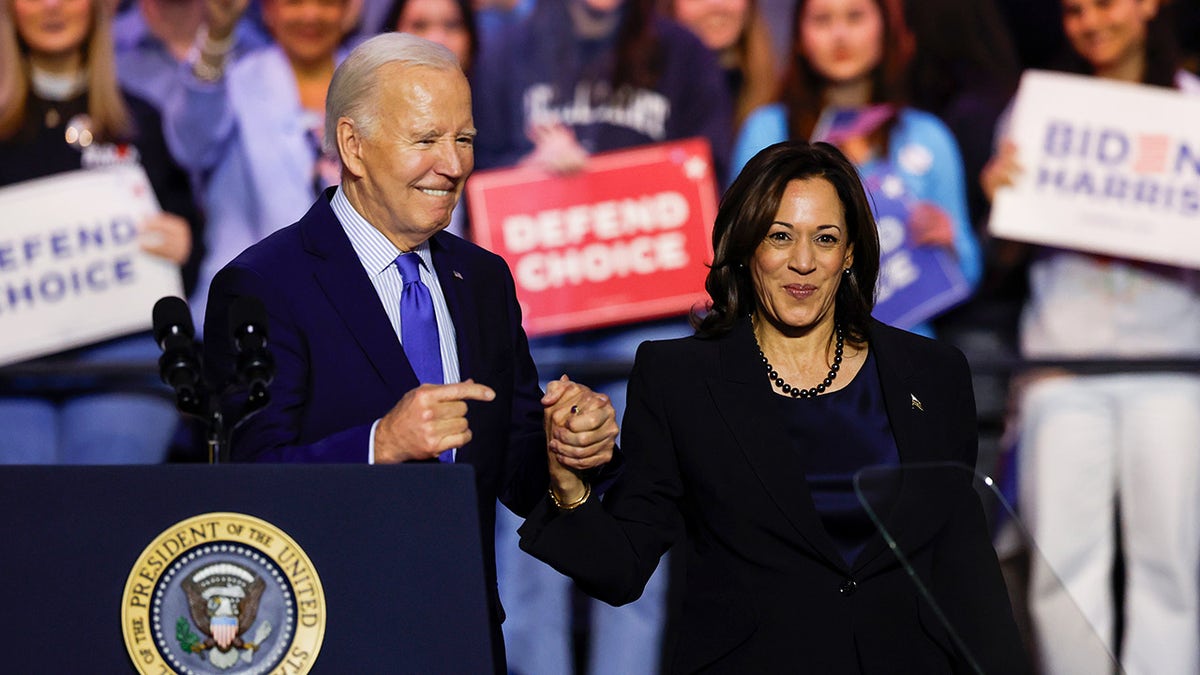
According to reporting on the document’s release, the autopsy blames both the Biden and Harris campaigns for failing to effectively articulate a negative case against former President Donald Trump. While the report touches on various strategic failures, it notably omits several high-profile issues that were central to the national conversation throughout the 2024 campaign cycle. Specifically, the document contains no mention of President Biden’s age—a subject that drew consistent scrutiny from voters and political analysts—nor does it address the war in Gaza, which served as a significant point of contention and division among the Democratic base.
Key Findings and Public Sentiment
Despite its disorganized nature and the absence of key context, the report does highlight specific areas where the campaign struggled to connect with the electorate. Among the findings included in the draft is an analysis of the effectiveness of opposition messaging. The report concludes that a specific advertisement from the Trump campaign, which criticized Vice President Harris for her past support of taxpayer-funded surgery for transgender inmates, was highly effective in swaying voter sentiment.
The report’s release has refocused attention on the internal dynamics of the Democratic Party. As the party attempts to move past the 2024 results, the document serves as a reminder of the lingering friction between different wings of the organization and the challenges of reconciling disparate views on campaign management and messaging.
The Path Forward for the Democratic Party
As the Democratic National Committee continues its work, the focus remains on the midterm elections and the goal of securing control of Congress. The DNC’s current platform emphasizes organizing efforts, grassroots engagement, and the development of campaign playbooks for state parties and coordinated campaigns. While the autopsy report has provided a point of contention, party officials are moving to pivot toward their broader electoral objectives.
The Democratic Party, founded on January 8, 1828, remains the oldest active political party in the United States. Its current leadership, including Chairman Ken Martin, continues to manage the party’s national operations from its headquarters in Washington, D.C. As the party processes the 2024 results, the internal debate over the autopsy’s findings is likely to remain a topic of discussion among party members and observers alike.
For now, the document stands as a draft, one that highlights the complexities of modern political campaigning and the difficulty of reaching consensus on the reasons for electoral defeat. As the party looks toward the future, the primary focus will likely shift from analyzing the past to preparing for the next cycle of legislative and executive contests.
We invite our readers to share their perspectives on the evolving landscape of American politics. Whether you are following the latest developments from the DNC or monitoring the broader trends in the upcoming midterm elections, your engagement is vital to the ongoing conversation about the future of global democracy.