
Formula 1 is currently navigating a period of significant technical transition as the sport adjusts to the new engine regulations introduced for the 2026 season. Following a series of concerns voiced by drivers regarding the nature of the power units—which feature a nearly 50-50 split between internal combustion and electrical energy—governing bodies have moved to implement a series of rule modifications. These changes are designed to refine the racing product, with drivers such as four-time world champion Max Verstappen noting that the adjustments are expected to return racing performance “almost back to normal.”
The core of the issue stems from the management of energy within the new power units. Drivers have previously expressed dissatisfaction, suggesting that the complexity of the current energy management systems was diminishing the impact of their individual skills. The regulatory response, which was approved during a meeting of the F1 Commission—comprising team bosses, Formula 1 officials, and the FIA—aims to address these specific technical grievances. According to reporting on the recent adjustments to F1 engine rules, these modifications represent a strategic attempt to balance technological innovation with the requirements of competitive, out-and-out racing.
Addressing Technical Concerns and Driver Feedback
The primary concern cited by competitors involved the risk of large speed differentials during races. These differentials occur when one driver has access to the full power of their engine and battery, while another driver is depleted of electrical charge. This discrepancy can result in a power gap of up to 470bhp (350kW). To mitigate this, the FIA and team technical chiefs have developed a series of modifications to how the engines operate. These changes, which have been described by Mercedes F1 boss Toto Wolff as “acting with a scalpel and not with a baseball bat,” are intended to allow drivers to push to the limit during qualifying sessions without the same level of energy management constraints experienced earlier in the season.
The updated regulations will permit cars to deploy the full 350kW (470bhp) of electrical power during acceleration zones when exiting corners, while implementing a limit of 250kW at other stages. By refining these deployment parameters, the sport aims to ensure that performance remains consistent and that the racing remains engaging for both the participants and the global audience. As noted by industry observers, the move is a direct response to the feedback loop established between the drivers and the FIA, ensuring that the evolution of the sport remains aligned with the expectations of the grid.
What the Changes Mean for the 2026 Season
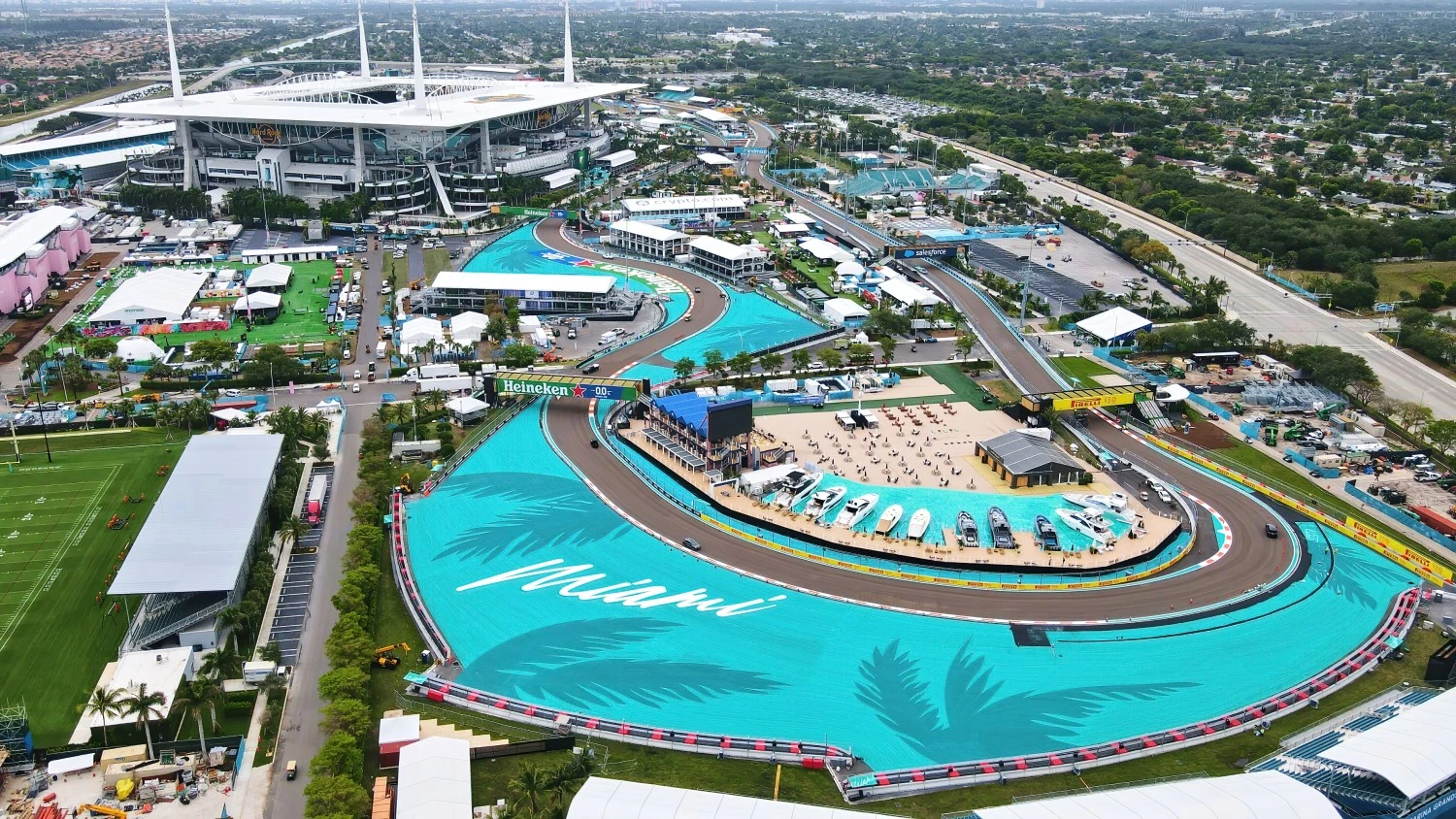
The implementation of these rules is scheduled to take place at the Miami Grand Prix, held from May 1 to May 3, 2026. This decision follows a five-week break in the F1 calendar, providing a window for teams to integrate the software and operational adjustments necessary to comply with the new mandates. The changes are expected to have a tangible impact on how cars behave on track, particularly during qualifying, where the ability to utilize maximum power is critical to setting competitive lap times.
For fans and followers of the sport, the adjustments represent a commitment to maintaining the high-speed, high-stakes nature of Formula 1. The legislative process for these changes requires them to be finalized by the FIA world council, ensuring that all modifications are implemented within the formal framework of the sport’s governing documents. The collaborative approach between the FIA and team principals highlights the ongoing effort to balance the complex demands of modern engineering with the fundamental need for intense, wheel-to-wheel competition.
Looking Ahead: The Path to Stability
While the immediate focus is on the upcoming race weekend in Miami, the broader conversation surrounding the 2026 regulations is far from over. As the season progresses, the effectiveness of these “scalpel” adjustments will be monitored closely by technical teams and the FIA. The objective remains clear: to provide a platform where the world’s best drivers can showcase their talent without being overly constrained by the intricacies of power unit energy management.
The next major checkpoint for these regulations involves the formal ratification by the FIA world council. As the sport moves into the next phase of the 2026 calendar, observers will be watching to see how the field adapts to the modified engine profiles. For the drivers, the shift is a welcome development that promises a return to more intuitive racing. We invite our readers to share their thoughts on these technical updates in the comments section below, as we continue to track the developments of the 2026 Formula 1 season.
Related reading
- Ronda Rousey vs. Gina Carano: How to Watch, Live Stream, Schedule & TV Info
- Son Heung-min Fails to Score as LAFC Secures Dramatic Late Victory Against Toluca
- New Hampshire Lawmakers Return to Concord for Final 2026 Legislative Session (news-usa.today)
- Screen Time, Sleep and Mental Health: Family Rules That Change Daily Life (world-today-news.com)