
New York City Mayor Zohran Kwame Mamdani has officially launched the site selection process for a proposed network of city-owned grocery stores, a cornerstone of his administration’s strategy to address the rising cost of living and food insecurity in the five boroughs. The initiative, which aims to leverage public ownership to reduce costs on essential staples, represents a significant shift in municipal policy. The administration has committed to opening five such locations by the end of the Mayor’s first term, with a total capital allocation of $70 million dedicated to the program’s development.
The program is designed to intervene in neighborhoods where the administration identifies a disconnect between grocery store density, area income levels, and the local cost of living. By assuming ownership of the land and covering overhead expenses such as rent and construction, the city intends to offer residents discounted pricing on fresh, healthy food. According to the Mayor’s office, the primary goal is to ensure that all New Yorkers, regardless of their ZIP code or financial status, have consistent access to affordable groceries.
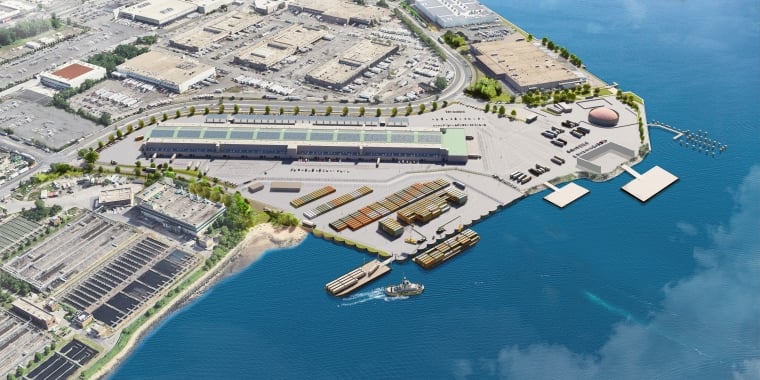
The city-owned grocery store initiative has moved into its implementation phase with two specific locations already identified. The Bronx will host the first of these facilities at The Peninsula, an affordable housing development currently under construction in the Hunts Point neighborhood. This location is expected to open its doors next year. The administration has selected La Marqueta in East Harlem as a site for a second municipal store. The East Harlem facility, which will be a 9,000-square-foot ground-up construction, is projected to begin operations by 2029.
The Bronx and Manhattan Site Developments
The site at The Peninsula in the Bronx is situated in a neighborhood that has historically faced significant economic challenges. According to data provided by the Mayor’s office, the poverty rate in the Hunts Point area is approximately 36 percent, compared to the citywide average of 18 percent. Despite the presence of large-scale food distribution infrastructure in the area, the administration estimates that 77 percent of households in this section of the South Bronx encounter difficulties in affording basic necessities. The new facility, which is estimated to cost $10 million to construct, is intended to provide a necessary alternative for local residents, with only one full-service supermarket currently located within a quarter-mile radius.

In Manhattan, the project at La Marqueta honors a historic commercial site. Established in 1936 as the Park Avenue Retail Market, the location has long served as a hub for the East Harlem community. The planned municipal store will occupy an currently empty lot within the marketplace, which is under the jurisdiction of the New York City Economic Development Corporation (NYCEDC). The administration emphasizes that this site was chosen due to the persistent food insecurity experienced by residents in the surrounding area, and it serves as a central piece of the broader plan to stabilize food prices across the city.
Policy Scrutiny and Economic Concerns
The initiative has drawn immediate attention from lawmakers and local business advocates. City Council Speaker Julie Menin has expressed concerns regarding the potential impact of government-operated stores on existing modest businesses, including local bodegas and independent supermarkets. This feedback highlights potential legislative friction as the City Council prepares to review the program’s budget and allocation strategies. A hearing regarding the $70 million in capital funding is scheduled for May 29, 2026.
Small-business coalitions have also raised formal objections to the plan. Critics, including representatives from the Multicultural Business Coalition, argue that the use of public funds to create direct competition for private grocers—who already operate on thin profit margins—could prove disruptive to the retail food sector. These groups suggest that the city might achieve its goals more effectively by providing subsidies to existing neighborhood vendors rather than establishing a new municipal retail model. In response, the administration has clarified that the planned stores will not stock items typically associated with bodegas, such as tobacco or lottery tickets, a distinction intended to minimize direct market competition with corner stores.
What Happens Next
As the administration continues its search for suitable locations in Brooklyn, Queens, and Staten Island, the program remains in a stage of active development. The city has launched an online portal encouraging property owners to submit potential sites for consideration. Residents and stakeholders should monitor upcoming City Council proceedings for further details on the allocation of the $70 million budget and potential adjustments to the project’s operational framework.

The next major milestone for the program is the City Council’s budget review, which will provide further clarity on the fiscal sustainability and legislative path of the five-borough initiative. We will continue to track these developments as the city moves toward its stated goal of opening the first municipal grocery store in 2027.
What are your thoughts on the city’s plan to enter the retail grocery market? Join the conversation in the comments section below.
Worth a look