Residents in the southern districts of Winterthur are seeing significant movement toward a resolution regarding traffic congestion. Authorities in the Swiss city have confirmed that they are actively implementing measures to curb undesirable through-traffic that has long impacted the quality of life in the Eichliacker and Tössfeld residential areas. These neighborhoods, characterized by a lack of heavy industrial or commercial activity, have increasingly become transit routes for motorists seeking to bypass congestion on major arterial roads.
The City of Winterthur’s civil engineering department (Tiefbauamt) launched a series of traffic surveys following repeated reports and feedback from the local population. These formal assessments confirmed that heavy traffic volumes on the primary axes—specifically the Zürcherstrasse and the Untere Vogelsangstrasse—frequently lead drivers to divert into the quieter residential streets of the Eichliacker-Quartier. This shift in traffic patterns has been identified as a direct contributor to reduced road safety and diminished living standards for local residents.
Addressing Traffic Flow and Safety Concerns
The issue of “Schleichverkehr” (rat-running or through-traffic) has become a focal point for urban planners tasked with maintaining the residential character of these southern sectors. The city’s strategy involves a multi-faceted approach to discourage non-local drivers from utilizing residential roads as shortcuts. By monitoring the traffic flow patterns, officials determined that a clear need for intervention existed to protect the safety of pedestrians and residents.
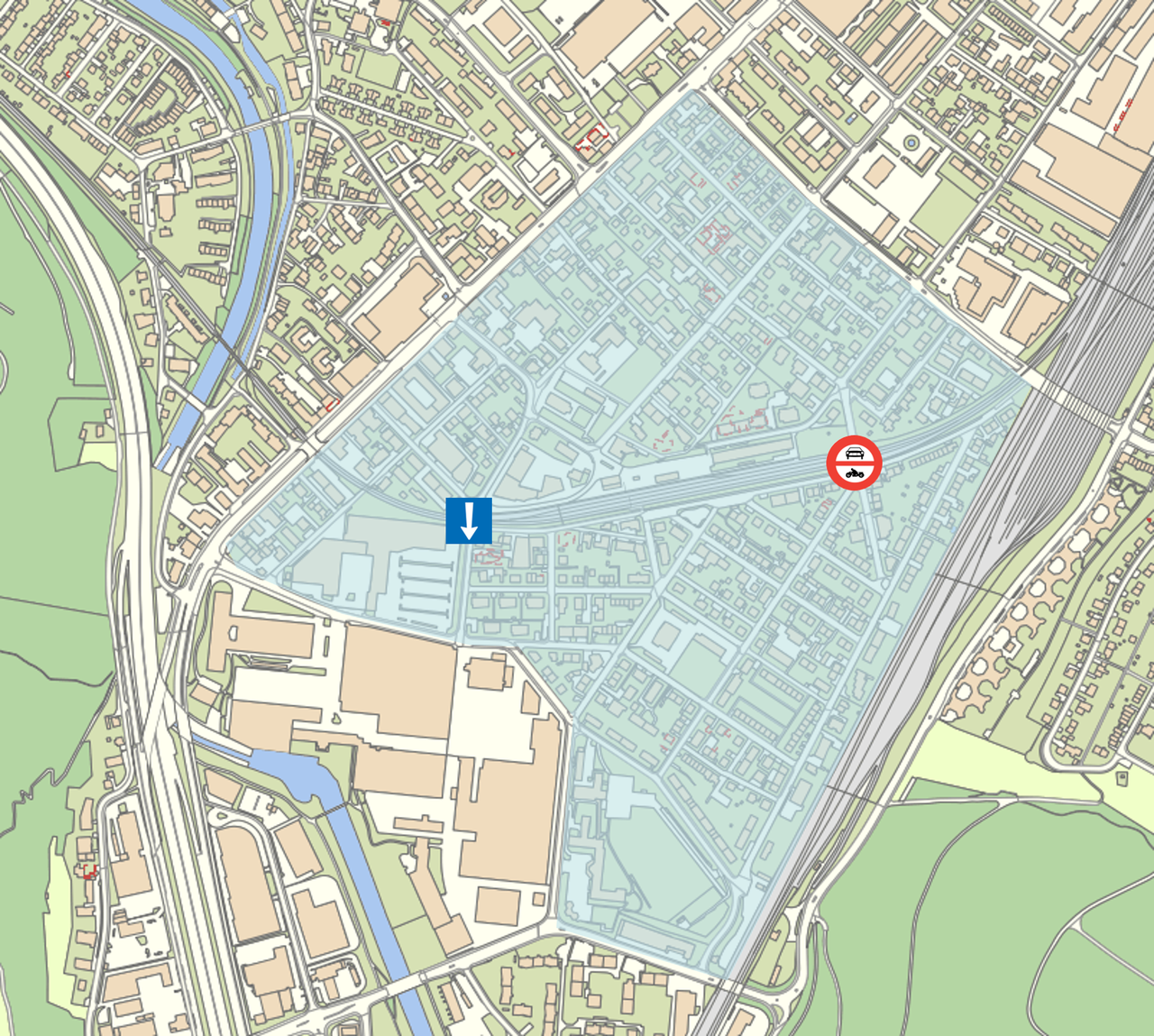
In response to these findings, the civil engineering department developed a proposal for traffic management that was presented to the public on September 30, 2025. This proposal included specific infrastructure changes, such as the implementation of a one-way street system on the Reutgasse, directed outward from the city center, and the closure of the Dammbrücke to motorized traffic. These measures were designed specifically to break the established through-traffic routes that have plagued the area.
Public Feedback and the Role of Community Engagement
The planning process in Winterthur has been characterized by a high level of transparency, with the city actively soliciting input from the affected community. Following the initial presentation of the proposed traffic measures, the civil engineering department received a variety of responses from the public. This feedback process is a standard component of local governance in Winterthur, ensuring that the impact of infrastructure changes on daily life is understood by the municipal authorities.
The city has acknowledged the receipt of a petition regarding the proposed measures, particularly those concerning the Dammbrücke. According to official municipal records, the feedback from the community has directly influenced adjustments to the planned traffic management strategies. By integrating local insights into the technical planning, the department aims to create a solution that balances the necessity of traffic reduction with the practical mobility needs of the neighborhood residents.
What This Means for Local Residents
For those living in the Eichliacker and Tössfeld areas, the ongoing initiatives represent a commitment by the city to prioritize residential well-being over transit convenience for non-residents. The following points summarize the current state of the project:
- Data-Driven Approach: All proposed interventions are based on formal traffic surveys conducted by the city’s civil engineering office.
- Community Collaboration: The city held an information event on September 30, 2025, to present the “best variant” of the traffic plan to the public.
- Adaptive Planning: The initial plans for the Dammbrücke were specifically adjusted following the submission of a petition and various feedback from local residents.
- Focus on Safety: The primary goal remains the restoration of traffic safety and the improvement of the overall living environment in these residential quarters.
As the city continues to refine its approach, residents are encouraged to stay informed through official municipal channels. The civil engineering department remains the primary point of contact for updates regarding the final implementation timeline of these traffic mitigation strategies. Further information on the status of traffic projects and public consultations can be monitored through the official Winterthur municipal portal, which provides the most accurate and up-to-date documentation on local infrastructure developments.
We welcome our readers to share their thoughts on urban traffic management in the comments section below. How does your city handle the balance between residential quiet and the demands of modern transit?
Related reading