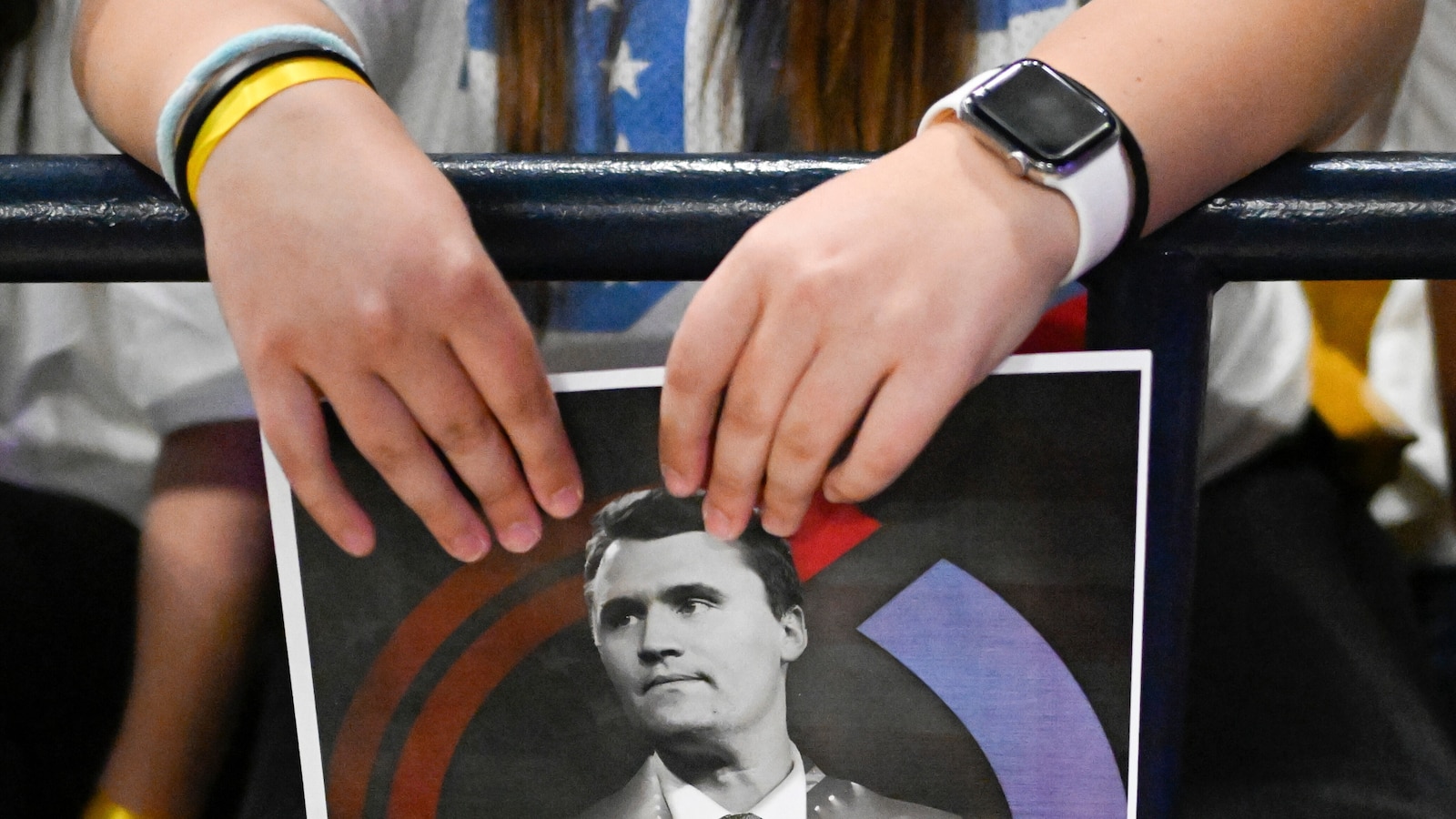
The State of Florida has agreed to a $485,000 settlement to resolve a wrongful termination lawsuit filed by a former state biologist, marking the conclusion of a significant legal battle over public employment and free speech. The former employee, Thomas Rieser, was fired from his position at the Florida Fish and Wildlife Conservation Commission (FWC) following his social media commentary regarding conservative activist Charlie Kirk.
The settlement, which was finalized to avoid further litigation, provides compensation for back pay and legal fees associated with the termination. This case highlights the ongoing tension between public sector employment policies and the exercise of personal expression by state workers in a digital landscape. According to the legal filings, the dispute centered on whether the agency’s disciplinary action against Rieser for his online activity violated his constitutional rights under established state personnel standards.
Background of the Termination
Thomas Rieser, who served as a biological scientist for the FWC, found himself at the center of a public controversy after posting comments on social media platforms concerning Charlie Kirk. The posts were made following the death of a public figure, a context that sparked heated discourse online. Shortly thereafter, the FWC moved to terminate Rieser’s employment, citing violations of agency policy regarding professional conduct and social media usage.

The former biologist subsequently filed a lawsuit in federal court, alleging that the state agency’s decision to fire him was a retaliatory act aimed at suppressing his personal political speech. The case drew attention from legal advocates who monitor the intersection of First Amendment protections and state employment contracts. Legal experts noted that while government agencies possess the authority to regulate employee conduct, such regulations must be balanced against the protections afforded to citizens in their private capacities under the First Amendment of the U.S. Constitution.
The Settlement Agreement
The $485,000 payment, which was confirmed through public records, represents a substantial resolution for the state agency. The agreement includes provisions for back pay and compensatory damages, effectively closing the matter without an admission of wrongdoing by the Florida Fish and Wildlife Conservation Commission. The total sum was reached after months of discovery and mediation processes, which are standard procedures in such employment-related litigation within the Florida judicial system.

For many observers, the size of the settlement serves as a reminder of the financial stakes involved when government entities take disciplinary actions that may be challenged as constitutionally overreaching. By settling the case, the state avoids a potential jury trial that could have resulted in a public airing of internal agency communications and further scrutiny of its social media policies. The FWC has maintained throughout the process that it adheres to strict standards regarding the conduct of its representatives, both on and off the clock.
Implications for Public Sector Employees
The resolution of this case may influence how state agencies across Florida and the broader United States draft and enforce social media policies for their workforce. As digital participation becomes an increasingly integral part of daily life, public employees are frequently faced with the challenge of separating their professional roles from their personal opinions. This settlement serves as a cautionary tale for both administrative departments and staff members regarding the legal complexities of online speech.
Moving forward, legal analysts suggest that agencies will likely continue to refine their internal guidelines to ensure that disciplinary actions are defensible in court. For employees, the case underscores the importance of understanding the specific boundaries set by their employers, as well as the protections they may seek through legal channels if they believe those boundaries have been enforced in a discriminatory or retaliatory manner. We find no further hearings currently scheduled for this matter, as the settlement acts as a final disposition of the claims filed by the plaintiff.
As we continue to monitor developments in labor law and public policy, we invite our readers to share their perspectives on the balance between professional conduct and personal expression in the comments section below.
Related reading