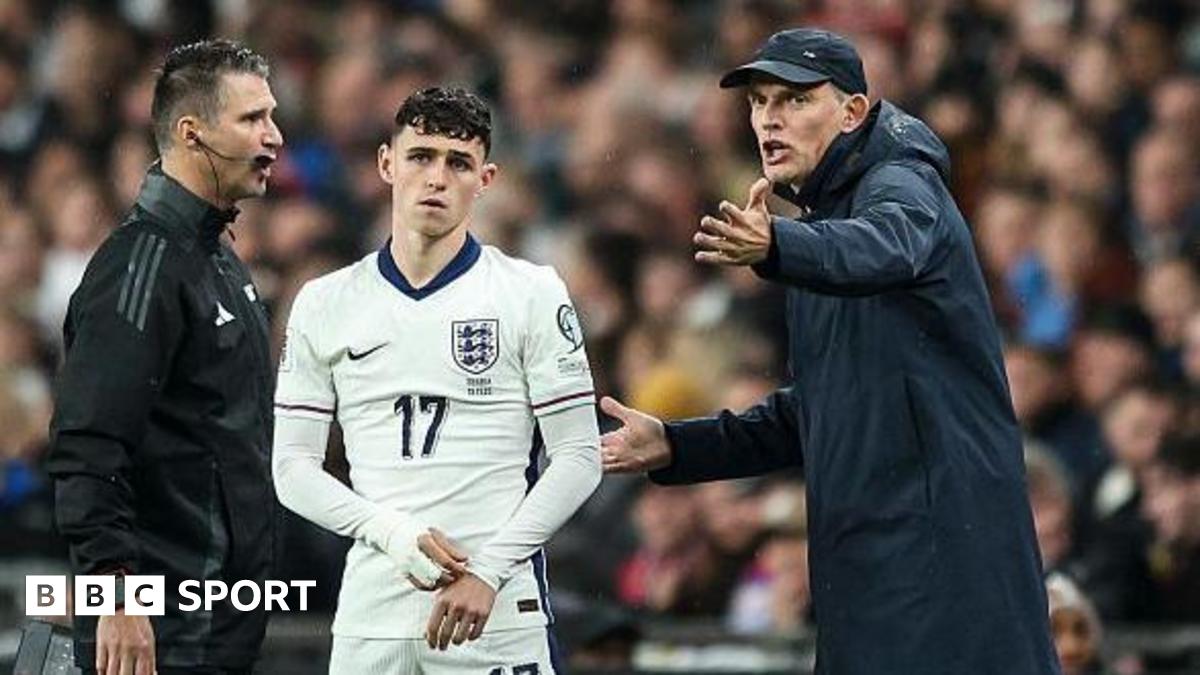
In the high-stakes environment of modern international football, the transition from “future of the nation” to squad exile can happen with startling speed. For England, the tactical evolution—and the shifting requirements for the number 10 role—has created a complex scenario for two of the Premier League’s most technically gifted stars: Phil Foden and Cole Palmer. As managers look to balance rigid tactical structures with individual brilliance, these two playmakers find themselves navigating a challenging period in their international careers.
The role of the number 10 has undergone a transformation in recent years, moving away from the traditional, luxury playmaker toward a more physically demanding, high-pressing position. This evolution has been particularly stark under the tactical philosophies favored by top-tier coaches like Thomas Tuchel, who prioritize defensive discipline and transition speed alongside creative output. For players like Foden and Palmer, who thrive on finding pockets of space in the final third, adapting to these uncompromising demands has become the defining test of their current tenure.
The Tactical Evolution of the Number 10
Historically, the number 10 was the heartbeat of the team, given freedom to roam and create without heavy defensive burdens. However, the modern game, influenced by the intense pressing styles seen across Europe’s elite leagues, has necessitated a change. Coaches now demand that their attacking midfielders contribute significantly to the defensive phase, often requiring them to drop into a midfield block or track back during transitions. Tactical discipline has become a non-negotiable metric for selection in high-pressure environments.
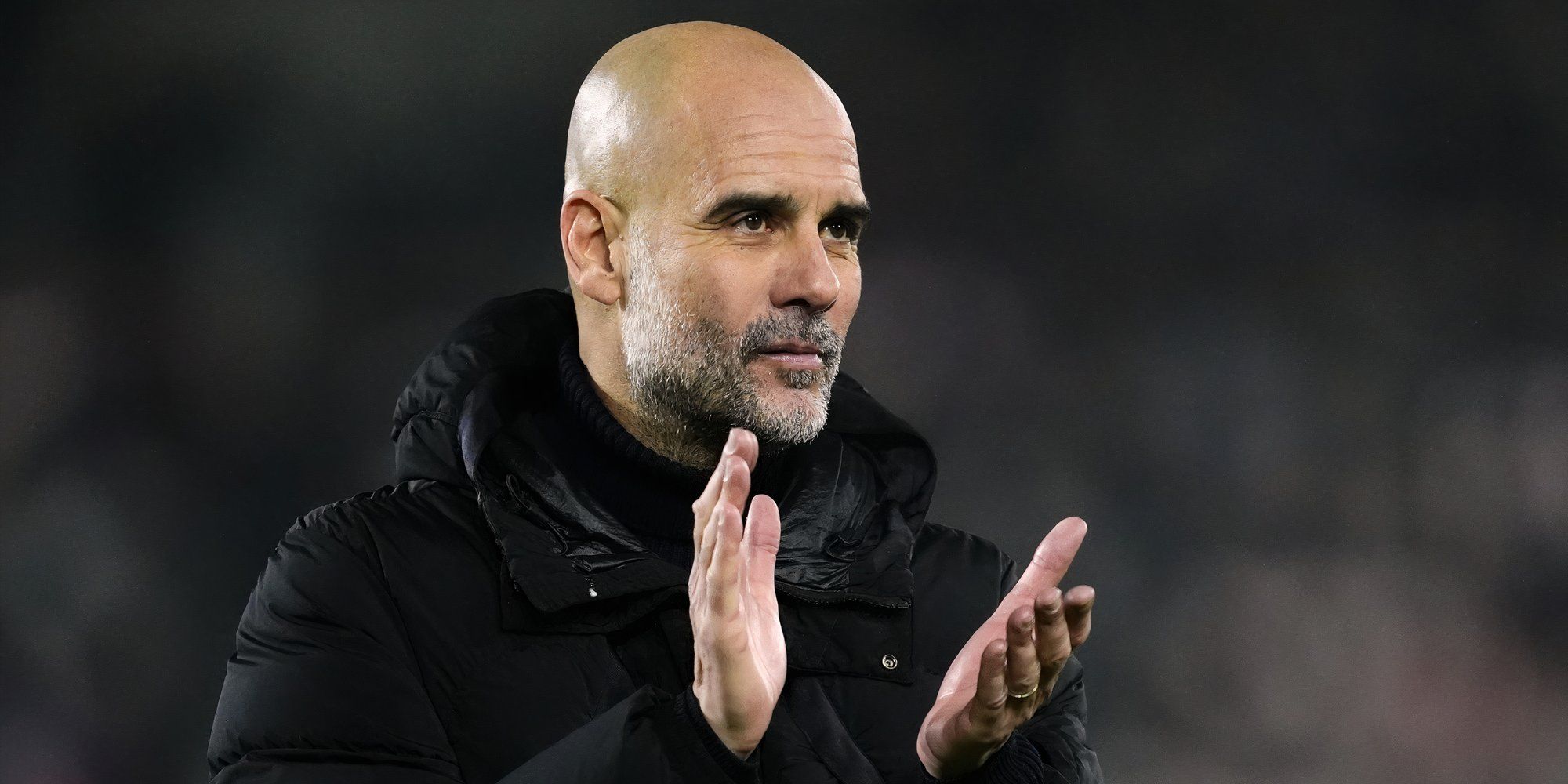
Phil Foden, who has been a standout performer for Manchester City, has often been tasked with balancing his natural creative flair with the tactical requirements of Pep Guardiola. Similarly, Cole Palmer’s rise at Chelsea has been marked by his versatility and clinical edge in front of goal. Yet, when transitioning to the international stage, the integration of these players often hinges on the specific tactical framework implemented by the national team management. When a system demands a more compact, defensive-minded approach, creative talents who are perceived as less defensively robust can find their playing time restricted.
Comparing Performance and Versatility
The competition for creative spots in a national squad is fierce, with depth in talent often leading to tricky selection dilemmas. Analysts often point to the “luxury player” debate, where coaches must decide if the offensive output provided by a specialist 10 outweighs the defensive stability offered by a more balanced or industrious midfielder. In recent international windows, the shift toward a more pragmatic setup has seen players who offer high defensive work rates prioritized over those who operate primarily as creative outlets.
According to official announcements from the Football Association regarding the appointment of new leadership and technical staff, the focus remains on building a cohesive unit that can compete at the highest level of international tournaments. For Foden and Palmer, this means proving they can operate within a structure that demands total commitment, both with and without the ball. Their ability to adapt their game to fit these evolving parameters remains the primary focus for fans and pundits alike.
What Lies Ahead for England’s Creative Talents
The road back to the starting XI is rarely straightforward. For Foden and Palmer, the challenge lies in demonstrating consistency within the specific tactical constraints of their club environments while remaining ready for international call-ups. As the football calendar moves toward the next major qualifying cycle, the competition will only intensify. Players must consistently demonstrate high-level performance metrics, including successful passes in the final third, defensive recoveries, and goal contributions, to force their way back into the manager’s plans.

The next major checkpoint for the England squad will be the upcoming international break, where updated rosters will be released by the coaching staff. Following the recent transition in management, the focus is now on establishing a clear identity for the team moving into the next qualification phase. Supporters are encouraged to keep an eye on official FA updates for the latest squad announcements and press briefings. We invite our readers to share their thoughts on the tactical direction of the national team in the comments section below.