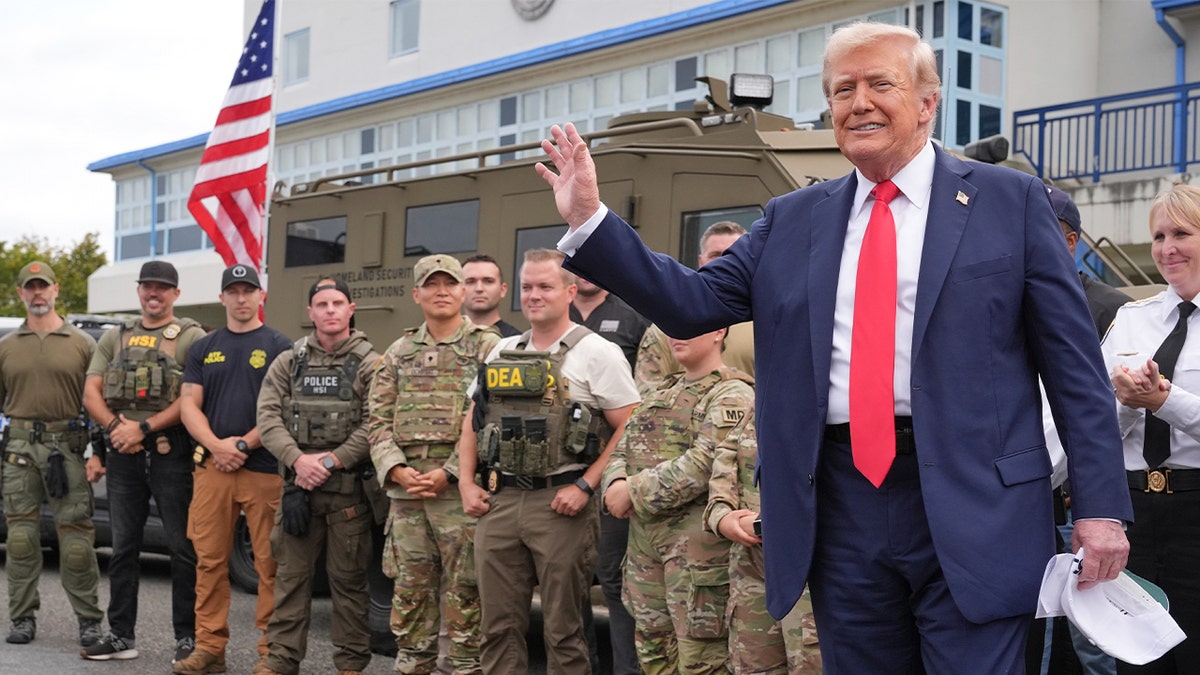
President Donald Trump has announced that the United States will send an additional 5,000 American troops to Poland, a move that has prompted significant discussion regarding the current U.S. Military footprint in Europe. The announcement comes as the administration manages a complex set of global security commitments and domestic policy priorities, ranging from defense posture adjustments to the integration of new technologies in government operations.
The decision to bolster troop levels in Poland arrives amid a broader, often fluid, conversation about the scale of U.S. Military presence across the European continent. While the commitment to Poland is framed as a strategic strengthening of bilateral ties, the administration’s overall approach to overseas deployment has been characterized by evolving assessments of regional requirements and resource allocation. As reported by the Associated Press, the president’s recent statements have stirred internal and international debate regarding the long-term trajectory of the American military presence in Europe.
Strategic Adjustments and Military Presence
The movement of 5,000 additional troops to Poland reflects the administration’s focus on its relationship with Warsaw, which the president has described in positive terms. However, this deployment occurs against the backdrop of ongoing evaluations of the U.S. Force structure abroad. The complexity of these adjustments often leads to varied interpretations of the U.S. Commitment to NATO partners and regional stability.
Military analysts frequently note that changes in troop levels are rarely static, often reflecting a mix of tactical redeployments and broader geopolitical strategy. The current administration has signaled that while specific troop counts may shift, the overarching goal remains the protection of U.S. Interests and the maintenance of established alliances. Readers looking for official updates on troop movements and regional security briefings can monitor the Department of Defense newsroom for the most recent press releases and policy guidance.
Policy Priorities: Technology and Economic Regulation
Beyond defense, the Trump administration has been actively engaged in domestic policy shifts that intersect with technological and economic concerns. Recently, the administration has expanded the use of artificial intelligence (AI) in the detection of healthcare fraud, aiming to streamline oversight and reduce federal expenditures. This integration of AI represents a significant shift in how federal agencies approach complex administrative tasks, though it remains a subject of ongoing scrutiny by technology policy experts.
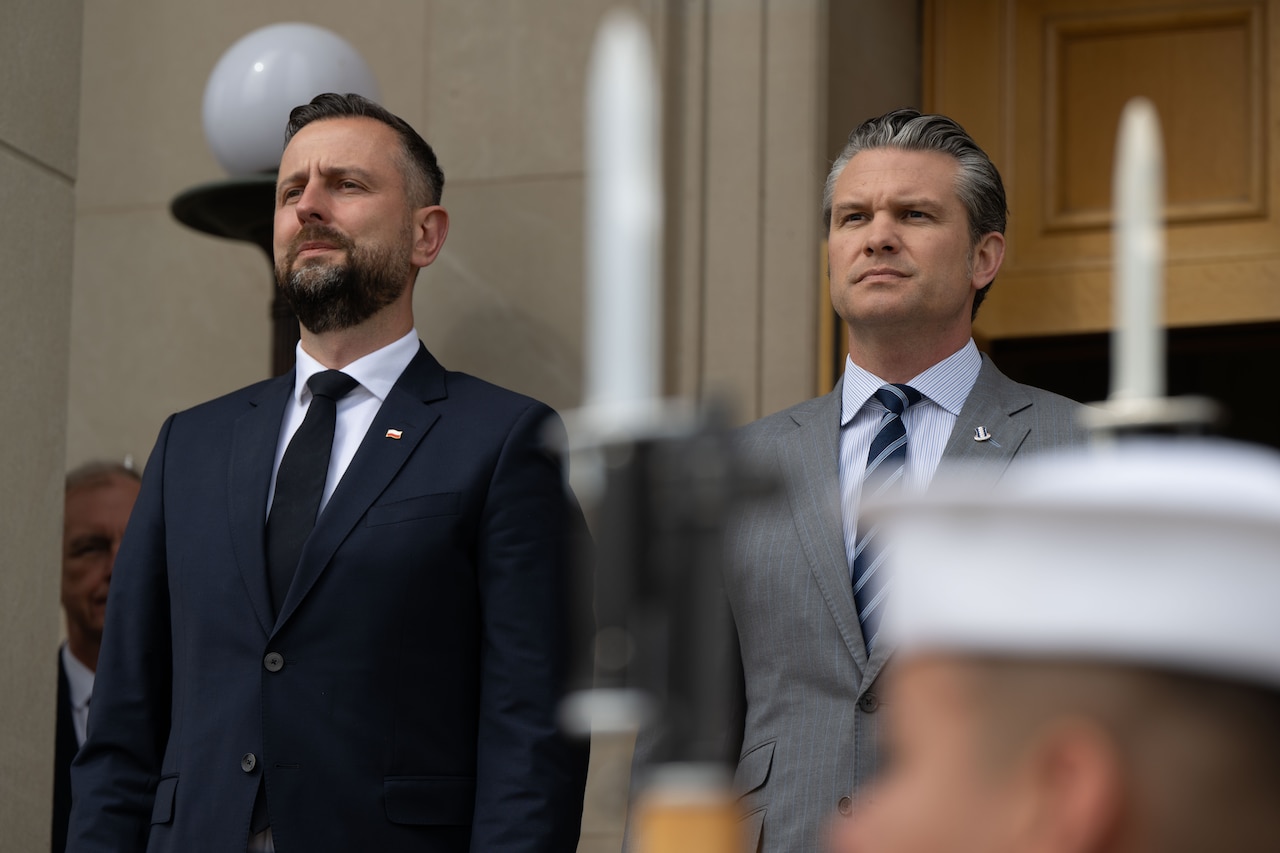
Simultaneously, the administration has demonstrated a willingness to pivot on regulatory matters. For instance, recent reports indicate that the president called off a planned executive order concerning AI development, citing concerns that such regulations could inadvertently weaken the competitive edge of the United States in the global tech market. These developments underscore a governing style that prioritizes flexibility and economic competitiveness in a rapidly changing digital landscape.
Addressing Economic Pressures
On the economic front, the administration continues to address concerns related to the cost of living. A notable example is the recent decision to ease refrigerant regulations, a move intended to alleviate some of the cost pressures currently impacting grocery prices. By adjusting environmental and industrial standards, officials hope to provide relief to both businesses and consumers, though such policies often spark debate regarding their long-term environmental implications.
the administration is moving forward with infrastructure and commemorative projects, such as the approval of the design plan for the Washington arch by the relevant federal oversight agency. These actions, while distinct from high-level foreign policy, form a critical part of the administration’s broader agenda to shape both the physical and economic environment of the nation.
Looking Ahead: Congressional and Executive Developments
As the administration moves through the current cycle, observers are also tracking significant changes within the legislative branch. Analysts have noted a trend of early retirement announcements among members of the U.S. House of Representatives, which, according to an analysis by the Associated Press, suggests that Congress is on track for a period of record turnover. This shift in personnel could have lasting impacts on the legislative environment and the ease with which the executive branch pursues its policy objectives in the coming months.

For citizens and international observers alike, the coming weeks will likely bring further clarification on the scope of the troop deployment to Poland and the implementation of the administration’s latest economic and technological directives. We will continue to monitor official government filings and parliamentary updates to provide the most accurate reporting as these situations evolve.
What are your thoughts on the shifting U.S. Military posture in Europe and the administration’s latest domestic policy initiatives? We encourage our readers to share their perspectives in the comments section below.
Related reading