
As the global labor market navigates the rapid integration of artificial intelligence, the discourse surrounding the future of technology careers has shifted from speculative fear to a focus on structural adaptation. For graduates entering the workforce, understanding how these tools redefine professional requirements is no longer an optional skill but a fundamental necessity for long-term career viability.
The transformation of digital professions—or métiers du numérique—is currently underway, driven by the widespread deployment of generative AI and automated systems. While industry observers often debate the risk of job displacement, the prevailing consensus among experts is that AI is more likely to augment professional capabilities than to render human roles obsolete. This evolution is reshaping the expectations placed on entry-level candidates, who must now demonstrate not just technical proficiency, but the ability to work alongside intelligent systems.
The Evolution of Technical Roles
The current shift in the tech job market is characterized by a “rewiring” of job requirements rather than a total replacement of staff. As noted in recent labor market analyses, while automated output is changing the nature of roles like data processing, administrative support, and routine technical tasks, the demand for human judgment and oversight remains critical. The integration of AI into the workplace is projected to create a significant net gain in job numbers over the coming years, even as specific tasks within those roles are automated (IE University, July 2025).
For those preparing to enter the professional sphere, In other words that the core of their value proposition is changing. In software engineering, for example, the ability to write code is increasingly complemented by the ability to architect systems that utilize AI frameworks. This mirrors the evolution of other professional fields where the mastery of foundational tools remains essential, even as the tools themselves become more sophisticated.
Adaptation as a Professional Strategy
The transition toward an AI-driven economy requires a proactive approach from both educators and students. Rather than viewing automation as a threat to job security, industry leaders suggest that graduates should focus on the “positive impact” of these technologies. Increased productivity, enhanced healthcare, and more accessible education are among the primary benefits cited as AI continues to scale global economic growth. Estimates suggest that AI could contribute significantly to the global economy by 2030, reinforcing the need for a workforce that is well-versed in digital literacy and human-AI collaboration (McKinsey & Company).
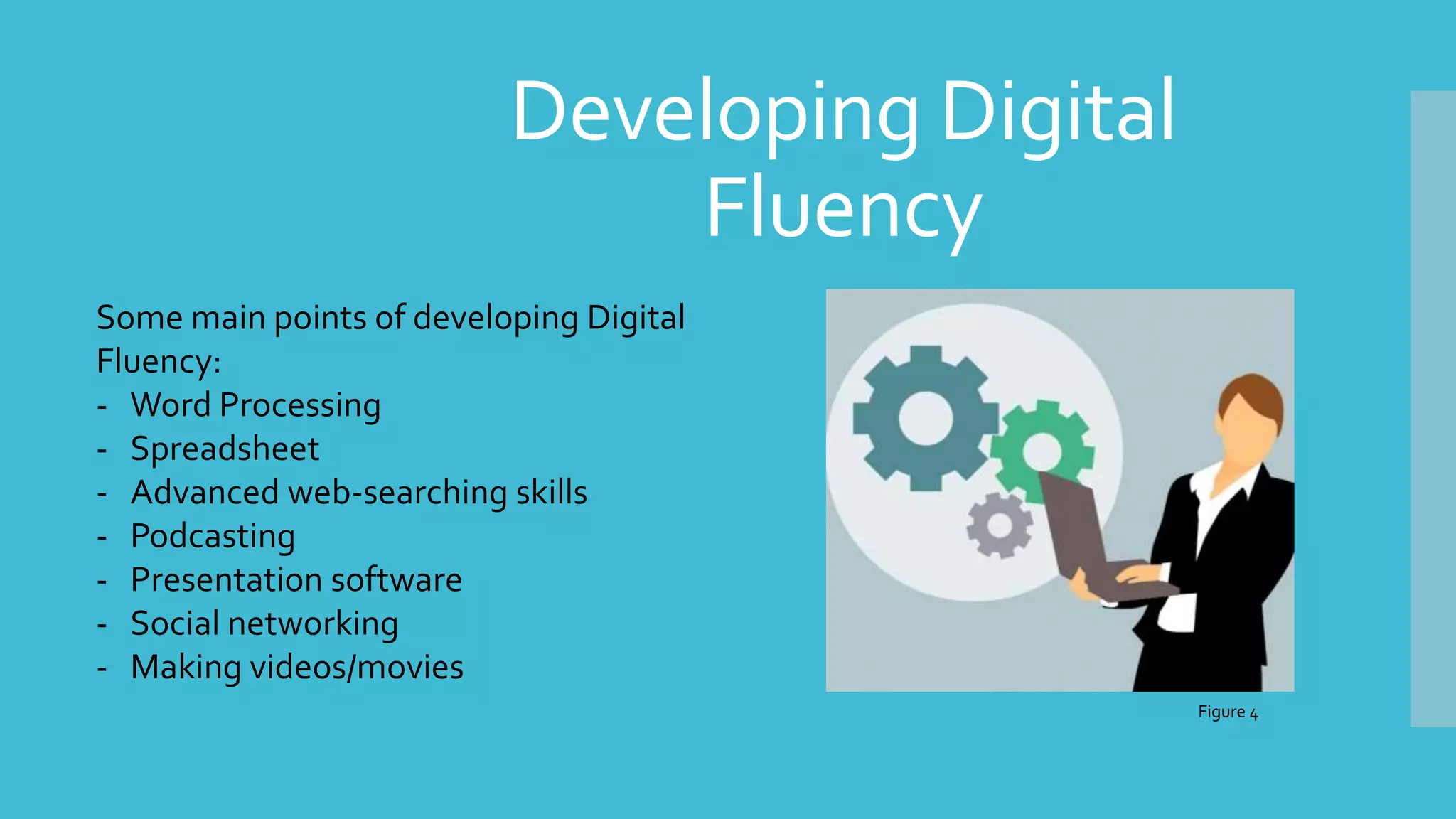
Key areas of focus for future graduates include:
- Digital Fluency: Understanding the limitations and capabilities of large language models and machine learning tools.
- Critical Thinking: Developing the ability to audit AI-generated outputs for accuracy and ethical considerations.
- Interdisciplinary Skills: Combining technical expertise with domain-specific knowledge in fields such as finance, medicine, or law to provide context that AI cannot replicate.
Preparing for the Future of Work
As we look toward the next decade, the workplace will likely become an environment where intelligent systems are an “integral part of the workplace.” This transition is not a singular event but a process of ongoing adaptation. For students and recent graduates, this implies that the education they receive today is the starting point, not the culmination, of their professional development.
The most successful professionals will be those who treat AI as a partner in their workflow—using it to handle repetitive tasks while reserving their energy for high-level problem solving, strategic planning, and creative innovation. As the global economy undergoes this shift, the demand for professionals who can bridge the gap between technical potential and practical application will continue to grow.
Key Takeaways for Future Graduates
- Focus on Integration: Learn to use AI as a tool to enhance your output rather than viewing it as a competitor.
- Prioritize Human Skills: Emphasize uniquely human traits such as empathy, complex negotiation, and nuanced ethical judgment, which remain difficult for AI to automate.
- Commit to Lifelong Learning: The rapid pace of technological change means that continuous upskilling is necessary to remain competitive in the digital labor market.
The trajectory for the next few years suggests that while some job categories will see significant changes in their daily workflows, the overall demand for skilled professionals remains robust. Graduates who can navigate this landscape with agility and a willingness to adapt will find themselves well-positioned to lead in an increasingly AI-integrated world.

As we continue to monitor the impact of these technologies on the global job market, we invite our readers to share their experiences in the comments section below. How is your field adapting to the rise of AI? Your insights are a valuable part of this ongoing conversation.
Related reading