
Wellstar Kennestone’s $400 Million Yellow Tower Expansion: A New Era for Specialty Care in Georgia
The healthcare landscape in Marietta, Georgia, has undergone a significant transformation following the recent opening of the Yellow Tower at Wellstar Kennestone Regional Medical Center. This massive expansion, representing a $400 million investment, is designed to address the growing demand for high-acuity medical services and specialized inpatient care within the region.
Having officially begun receiving patients on April 15, 2026, the nine-story, approximately 300,000-square-foot tower serves as a cornerstone of Wellstar’s commitment to expanding acute-care capacity. By integrating advanced medical technologies with specialized clinical units, the project aims to provide more comprehensive services in critical areas such as cardiology, neurology, oncology, and surgical care.
This expansion is more than a simple increase in bed count. it is a strategic move to strengthen the hospital’s ability to manage complex, high-acuity cases. The addition of 151 new acute-care beds and the creation of dedicated units for cardiac critical care and neurological care signal a major shift in the regional capability to provide life-saving, specialized interventions.
Strengthening High-Acuity Services: Cardiology, Neurology, and Oncology
One of the most significant impacts of the Yellow Tower is the enhanced capacity for specialized medical lines. The tower includes dedicated units specifically designed for cardiac critical care, surgical care, neurological care, and medical oncology. This specialization allows for more streamlined workflows and more focused clinical environments for patients facing life-threatening conditions.
For patients requiring neurological intervention, the expansion offers a substantial boost in capability. According to Wellstar, “Expanding our neuro beds allows us to bring advanced technology and specialized brain and spine care directly to more patients.” This focus on neurology is a critical component of the tower’s design, ensuring that complex brain and spine pathologies can be managed with the latest technological advancements on-site.
The oncology and cardiology sectors also stand to benefit from this increased infrastructure. By housing these specialty units within a modern, high-capacity tower, the medical center can better manage the intensive monitoring and specialized treatment protocols required for oncology and cardiac critical care patients. This integrated approach ensures that patients can access a multidisciplinary team of experts within a single, technologically advanced environment.
Advancing Neonatal and Maternal Care: The 49-Bed NICU
The Yellow Tower also marks a major advancement in maternal and pediatric services. A centerpiece of this expansion is the next-generation neonatal intensive care unit (NICU), which features 49 beds dedicated to the care of premature and critically ill infants. This expansion is vital for providing the intensive, round-the-clock monitoring and specialized medical support that neonates require.
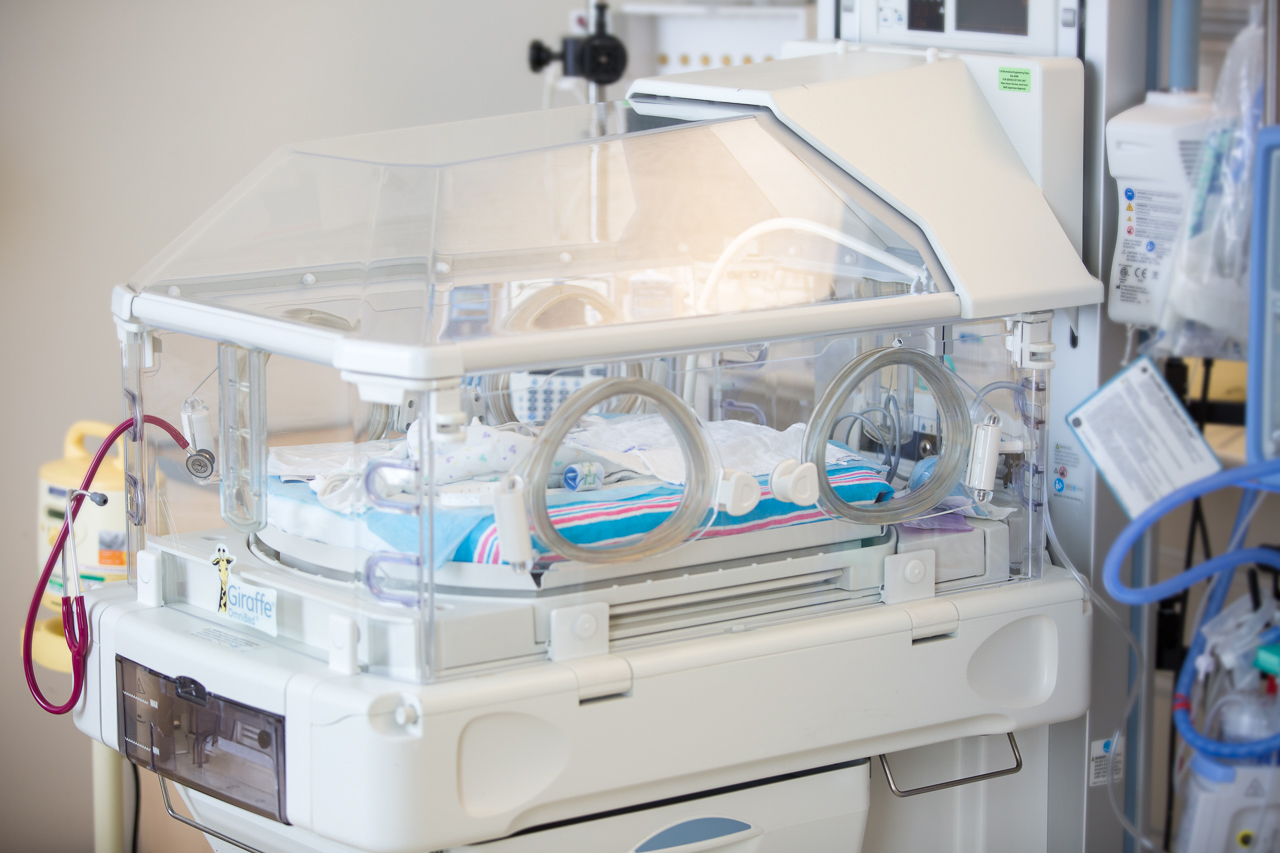
The design of the NICU emphasizes both clinical efficiency and the importance of family-centered care. The unit includes a centralized milk lab to support nutritional needs and six specialized couplet-care rooms. These rooms are specifically intended to keep mothers and infants together during the care process, a practice known to support bonding and improve clinical outcomes for both parent and child.
the tower features a dedicated Women’s & Children’s entrance, ensuring that families seeking these sensitive services can navigate the hospital with greater ease and privacy. This focus on the patient and family experience is a key pillar of the new facility’s design philosophy.
The Digital Hospital: Smart-Room Technology and Virtual Nursing
In an era of rapid medical innovation, the Yellow Tower integrates sophisticated “smart-room” tools designed to enhance both patient comfort and clinical precision. All new adult inpatient rooms are private, a design choice that supports infection prevention and provides a more restful environment for recovery.
These private rooms are equipped with interactive digital whiteboards and advanced technology intended to facilitate better communication between patients, families, and medical staff. The facility has implemented remote monitoring and virtual nursing capabilities. These tools are designed to support critical administrative and clinical workflows, including admissions, discharges, and continuous documentation, allowing nursing staff to manage patient needs more efficiently.
The integration of virtual nursing is particularly noteworthy as the healthcare industry looks toward digital solutions to combat staffing challenges and improve patient safety. By utilizing remote monitoring, clinicians can maintain a high level of oversight, ensuring that patient vitals and needs are addressed promptly, even when a physical nurse is occupied with other bedside duties.
Infrastructure and Design: Engineering a Modern Medical Campus
The construction of the Yellow Tower was an immense engineering undertaking, requiring the integration of new infrastructure with the hospital’s existing facilities. The project, which involved 15 different connection points between the new tower and three existing hospital towers, was managed by JE Dunn Construction. This complex coordination was essential to ensure that the hospital could continue its critical operations without disruption during the build.

Designed by HKS and CDH, with IT support provided by Aptitude: Intelligent Integration, the tower also addresses broader campus needs through significant food and nutrition upgrades. A new 22,000-square-foot kitchen located under the tower supports both hospital-wide in-room dining and expanded retail dining options for the public and staff. This program is designed to give patients greater autonomy over their nutritional intake, which is a vital component of the healing process.
The project also included the development of two pandemic-ready floors and enhancements to the central energy plant, ensuring the facility is resilient and prepared for future public health challenges. Brad Stolz, a Project Director for JE Dunn, noted the personal and professional significance of the project, stating, “It’s been rewarding and incredibly meaningful to contribute to this new tower that will play such a pivotal role for patients and families in our community.”
Key Takeaways: Wellstar Kennestone Yellow Tower
- Investment Scale: A $400 million project spanning 300,000 square feet.
- Expanded Capacity: Added 151 new acute-care beds within a 235-bed tower.
- Specialized Care: New dedicated units for neurology, cardiology, oncology, and surgical services.
- Neonatal Excellence: A 49-bed NICU featuring a centralized milk lab and couplet-care rooms.
- Technological Integration: Implementation of smart-room tools, remote monitoring, and virtual nursing.
- Enhanced Nutrition: A new 22,000-square-foot kitchen supporting in-room and retail dining.
As Wellstar Kennestone Regional Medical Center continues to integrate the Yellow Tower into its daily operations, the facility is poised to set new standards for specialty medical care in the Georgia region. There are no further official updates regarding additional tower phases scheduled at this time.
What are your thoughts on the integration of virtual nursing and smart-room technology in modern hospitals? We invite you to share your insights and join the conversation in the comments below.
Worth a look