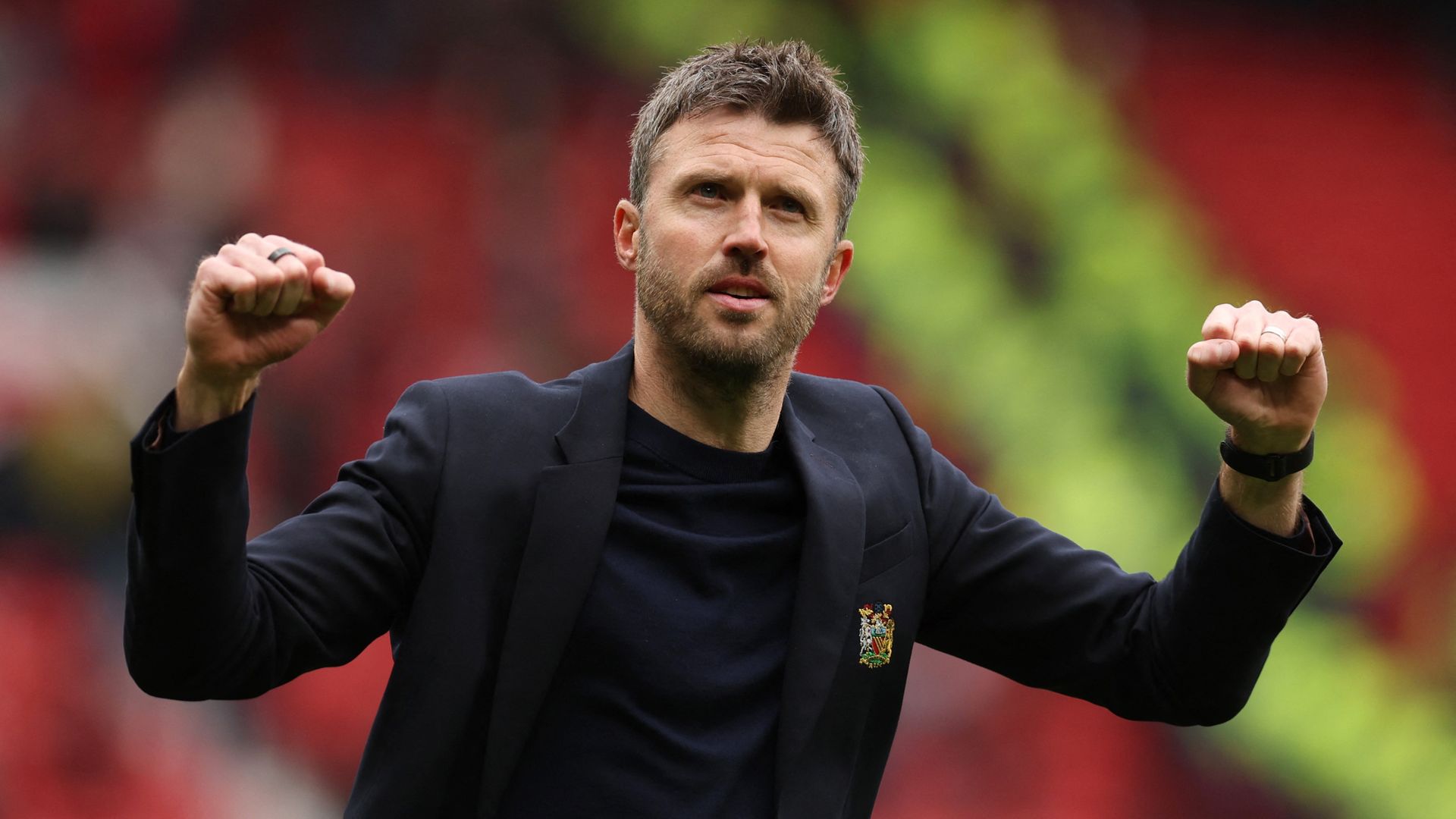
The landscape of professional football management is often defined by swift transitions and high-stakes decision-making. In the case of Manchester United, the club’s leadership has frequently been at the center of intense public scrutiny, particularly regarding the identity of those tasked with steering the team from the touchline. Recent developments have clarified the path forward for the club, as official confirmation has been provided regarding the permanent appointment of Michael Carrick as head coach.
This decision follows a period of transition for the historic English club, which has sought stability following various shifts in its technical staff. By securing Carrick on a permanent basis, Manchester United aims to establish a consistent tactical identity as they move into the next phase of their domestic and European campaigns. The move is seen by many analysts as a commitment to continuity, leveraging a figure who is intimately familiar with the club’s culture and operational demands.
Establishing Stability at Old Trafford
The confirmation of Michael Carrick’s position marks a significant pivot for Manchester United. After serving in various capacities within the coaching structure, Carrick has now been handed the reins with a mandate to lead the squad forward. The club has finalized an agreement that ties the former midfielder to a two-year deal, providing a clear window for the implementation of his strategic vision. For a club of United’s stature, the ability to project long-term planning is essential for maintaining investor confidence and supporter engagement, as detailed in the official club communications regarding their management structure.
The transition to a permanent head coach is rarely a simple affair in the Premier League, where the pressure to deliver immediate results is immense. Carrick’s tenure will be measured not only by match outcomes but by his ability to integrate youth talent with established stars. His background as a player—having enjoyed a decorated career at Old Trafford—gives him a unique vantage point that few external candidates possess. This internal knowledge is often cited as a critical asset when navigating the complex dynamics of a modern dressing room.
Strategic Implications of the Two-Year Deal
A two-year contract provides a specific, albeit challenging, timeframe for any manager. It allows for the development of a long-term tactical philosophy while keeping the board’s expectations clearly aligned with the club’s performance trajectory. According to Premier League regulatory standards, all managerial appointments must be registered with the governing body, ensuring that contractual obligations meet the league’s transparency requirements. For Manchester United, this move is a calculated effort to minimize the disruption that often accompanies frequent changes in leadership.
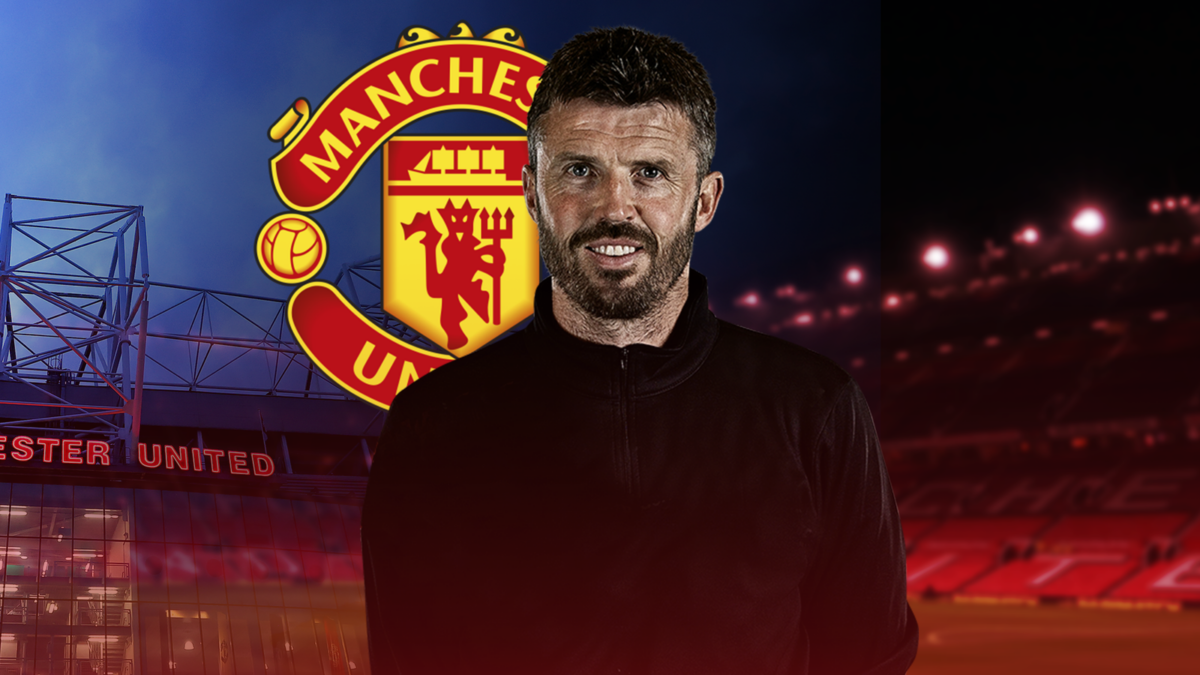
The financial and operational implications of such a deal are substantial. By formalizing the role, the club stabilizes its communication channels and recruitment strategy. The head coach will now be expected to play a central role in shaping the squad for the upcoming transfer windows, working in tandem with the club’s executive leadership to identify targets that fit the specific requirements of his system. This alignment of the manager’s vision with the club’s broader sporting strategy is a hallmark of successful modern football organizations.
What Lies Ahead for the Red Devils
As the club turns its attention to the remainder of the season and beyond, the focus will inevitably shift to the pitch. The expectations at Manchester United remain among the highest in world football, with fans and stakeholders alike demanding regular silverware and a style of play that reflects the club’s storied history. Carrick’s ability to adapt to the tactical evolution of the game will be tested in the coming months as the team faces rigorous competition both domestically and in European competitions.
The next official checkpoint for the club will involve the release of the updated squad lists and tactical briefings ahead of the next competitive fixture. Supporters are encouraged to monitor the official Manchester United news portal for direct updates from the club regarding training schedules, player fitness, and official press conference transcripts. We will continue to track these developments as they unfold, providing verified reporting on the club’s progress under this new chapter of leadership.
We invite our readers to share their perspectives on this appointment in the comments section below. How do you believe this shift in management will influence the club’s performance in the coming seasons? Join the conversation as we follow this developing story.
Worth a look