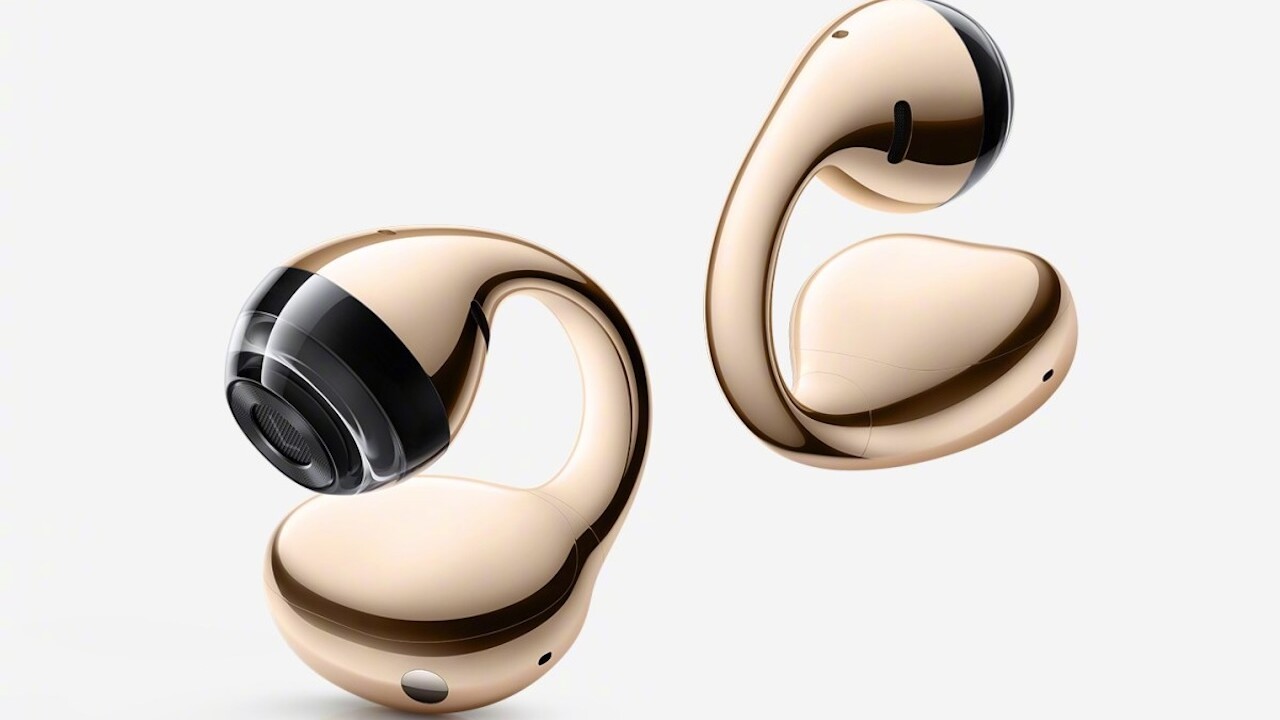
In a strategic move to capture the growing “hearable” market, Xiaomi has officially expanded its wearable audio portfolio with the introduction of its first clip-on style earphones. This new design language marks a significant departure from traditional in-ear buds, signaling the company’s intent to compete in the increasingly popular open-ear audio segment.
The introduction of these clip-on devices—often referred to in the industry as “ear-cuff” or “open-ear” audio—targets a specific demographic of users who demand a balance between high-fidelity sound and situational awareness. By moving the audio drivers away from the ear canal, Xiaomi is addressing long-standing consumer concerns regarding ear fatigue, hygiene, and safety in urban environments.
This development places Xiaomi in direct competition with a new wave of specialized audio manufacturers and established tech giants who have recently pivoted toward non-occlusive designs. As the company integrates these wearables more deeply into its broader ecosystem, the move reflects a broader industry trend: the transition from audio as an isolation tool to audio as a seamless, lifestyle-integrated experience.
The Rise of Open-Ear Technology: Understanding the Clip-On Shift
For decades, the consumer audio market has been dominated by two primary form factors: the traditional earbud and the in-ear monitor (IEM). While IEMs provide superior noise isolation, they often create a sense of “plugged” discomfort and can dangerously mask ambient sounds like approaching vehicles or office conversations. The “clip-on” or ear-cuff design solves this through a different acoustic approach.
Unlike traditional earbuds that sit inside the ear canal, clip-on earphones are designed to wrap around the outer ear (the auricle). They utilize specialized acoustic drivers that direct sound waves into the ear canal without physically blocking it. This method, often categorized under “open-ear” technology, allows for a natural auditory experience where the user can enjoy media while remaining fully present in their physical surroundings.
This shift is driven by several key consumer needs:
- Situational Awareness: Essential for runners, cyclists, and commuters who need to hear traffic and environmental cues.
- Long-term Comfort: By avoiding the pressure of the ear canal, these devices mitigate the “occlusion effect”—the sensation of one’s own voice sounding boomy or muffled—and reduce the risk of ear canal irritation.
- Hygiene and Health: Open-ear designs reduce the buildup of moisture and earwax, which can sometimes occur with prolonged use of in-ear models.
Analyzing the Xiaomi OpenWear Series
While specific technical deep-dives for the newest iterations are still emerging in various global markets, Xiaomi’s recent product movements indicate a structured approach to this category. The company has identified a clear hierarchy within its audio lineup, as seen in the presence of the Xiaomi OpenWear Stereo Pro and the standard Xiaomi OpenWear Stereo.

The “Pro” designation suggests a focus on premium acoustic engineering, likely incorporating larger drivers or more advanced digital signal processing (DSP) to compensate for the lack of a physical seal in the ear canal. In open-ear designs, the primary engineering challenge is maintaining bass response and preventing sound leakage—the phenomenon where others nearby can hear your music. Xiaomi’s entry into this space will likely rely on advanced directional audio technology to ensure that sound is focused precisely into the user’s ear.
as part of the Xiaomi ecosystem, these devices are expected to leverage the company’s software expertise. With the rollout of Xiaomi HyperOS, these wearables are positioned to act as more than just audio playback devices; they are becoming intelligent nodes within a connected smart life, capable of seamless switching between smartphones, tablets, and other IoT devices.
The Competitive Landscape: A New Battleground for Wearables
Xiaomi is not entering this market in a vacuum. The “ear-cuff” segment has recently become a high-stakes battleground for premium audio brands. To succeed, Xiaomi must contend with several sophisticated competitors who have already established a foothold in the open-ear niche.
Huawei: One of Xiaomi’s most direct rivals, Huawei, has seen significant interest in its FreeClip series, which utilizes a similar clip-on design. Huawei’s strength lies in its highly integrated ecosystem and its ability to blend fashion-forward aesthetics with robust audio performance.
Bose: The audio specialist Bose has entered the fray with the Ultra Open Earbuds. Bose brings a level of acoustic prestige and advanced noise-management algorithms that set a high bar for any new entrant. Their focus is on “spatial audio” and a premium soundstage that attempts to replicate the feeling of being in a room with live music.
Shokz: While primarily known for bone conduction technology, Shokz has long dominated the “open-ear” space for athletes. Their products focus on extreme durability and stability during high-intensity movement, a segment Xiaomi will likely target with its more lifestyle-oriented OpenWear series.
For Xiaomi, the advantage lies in its scale and price-to-performance ratio. By offering high-end design and features at a more accessible price point, Xiaomi can democratize open-ear technology, moving it from a niche enthusiast product to a mainstream consumer standard.
Strategic Implications for the Tech Industry
The move toward clip-on earphones is a bellwether for the future of “ambient computing.” As we move toward an era where augmented reality (AR) and artificial intelligence (AI) are increasingly integrated into our daily lives, the way we interact with sound must evolve. We are moving away from “silence-at-all-costs” toward “augmented listening.”

This transition suggests that the next generation of wearables will prioritize “transparency” as a core feature. Whether through clip-on earphones or smart glasses, the goal is to create a layer of digital information that sits on top of the physical world without obscuring it. Xiaomi’s investment in this specific form factor suggests they view the ear as a primary interface for this upcoming wave of ambient technology.
Key Takeaways: The Shift to Clip-On Audio
- Design Evolution: Clip-on (ear-cuff) designs are moving from niche to mainstream, prioritizing comfort, and safety.
- Market Drivers: Increased demand for situational awareness among active lifestyles and office workers.
- Technical Challenge: Manufacturers must solve for bass retention and sound leakage in an open-air environment.
- Ecosystem Integration: These devices are expected to be deeply integrated into broader smart ecosystems like Xiaomi HyperOS.
Frequently Asked Questions
Q: How is a clip-on earphone different from a standard earbud?
A: Standard earbuds sit inside the ear canal to block out noise. Clip-on earphones wrap around the outer ear, leaving the ear canal open so you can hear your surroundings.
Q: Will I lose sound quality with open-ear earphones?
A: While traditional IEMs offer better isolation, modern open-ear technology uses advanced drivers and DSP to provide high-quality audio, though they may not produce the same level of deep bass as sealed earbuds.
Q: Are clip-on earphones good for exercising?
A: Yes, they are often preferred for outdoor activities like running or cycling because they allow you to hear traffic and other important environmental sounds.
The official global availability and detailed pricing for the full Xiaomi OpenWear lineup are expected to be announced in the coming months. We will continue to monitor official Xiaomi press releases and regulatory filings for updates on regional rollouts and technical specifications.
What do you think about the shift toward open-ear audio? Would you trade noise cancellation for better situational awareness? Let us know in the comments below and share this article with your tech-loving friends!
Keep reading