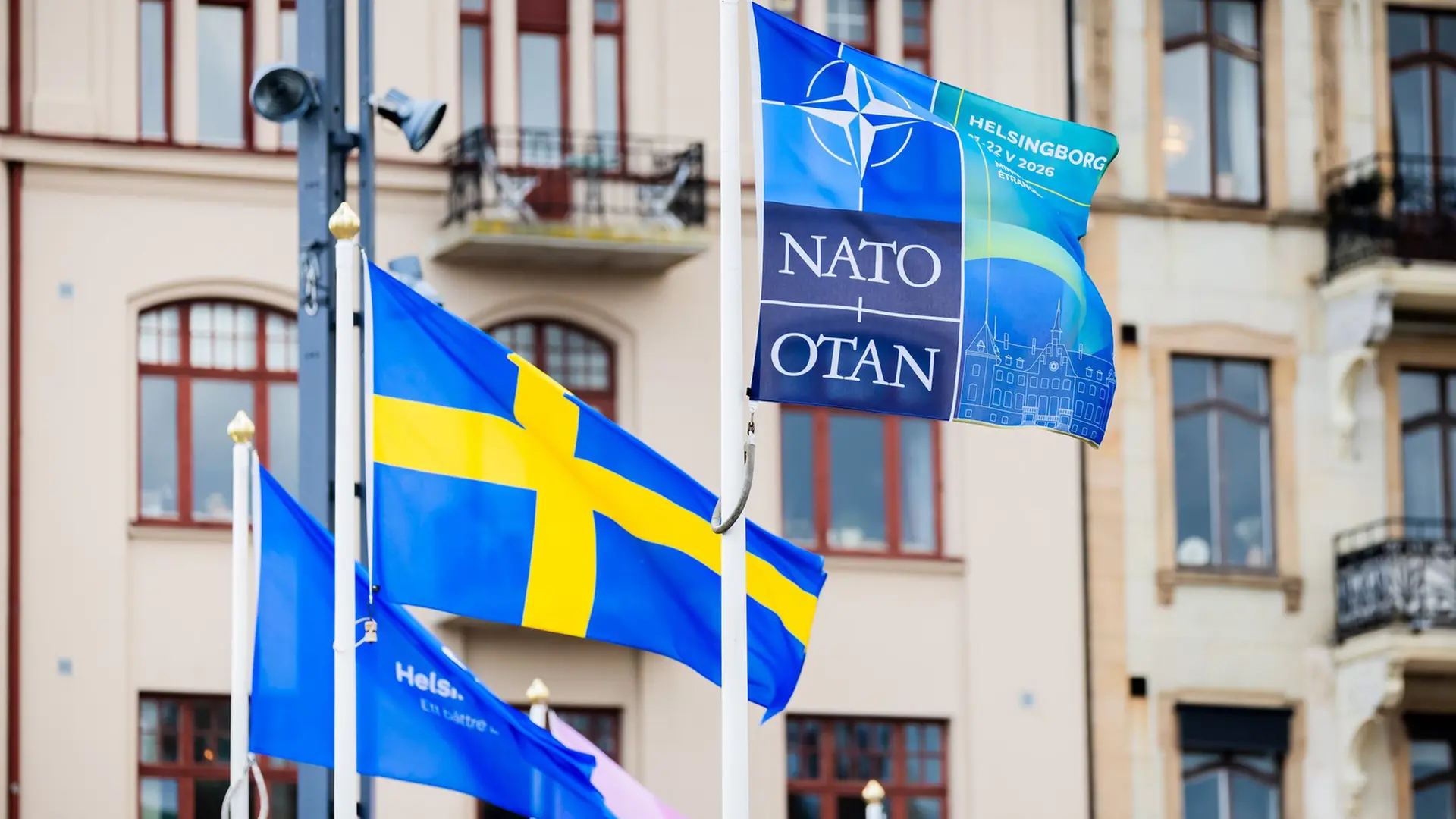
The geopolitical landscape of Europe is currently navigating a period of significant transition, underscored by recent shifts in United States military posture. As global leaders evaluate the future of collective security, the question of where NATO is heading has moved to the forefront of international discourse. This discussion, often centered on the strategic realignment of forces, reflects a broader evolution in how member nations approach defense commitments and regional stability in a changing world.
The recent decision by the United States to reduce its military presence in Germany—specifically the withdrawal of 5,000 personnel—has sparked a robust debate among European policymakers. This development, which has been observed closely by governments across the continent, serves as a focal point for assessing the current state of the transatlantic alliance. While the security architecture established in the post-Cold War era remains intact, the practical application of these commitments is subject to ongoing political and strategic recalibration. For a detailed overview of the alliance’s current strategic framework, readers may consult the official NATO Strategic Concept.
Strategic Realignment and the Future of NATO
At the core of the current dialogue is the balance between national sovereignty and collective defense. The movement of troops is not merely a logistical exercise; it carries symbolic and tactical weight within the framework of the North Atlantic Treaty Organization. When nations adjust their military footprints, the ripple effects are felt across the alliance, prompting discussions about burden-sharing and the necessity for a more integrated European defense capability. The German Federal Government continues to emphasize the importance of maintaining a unified front, even as specific force structures undergo periodic review and adjustment.
The dialogue surrounding these changes often touches upon the “disintegration” of traditional alliances—a term that has surfaced in political rhetoric when describing the potential for diverging interests between the United States and its European partners. However, analysts suggest that what appears to be a loosening of ties is, in many respects, a maturation of the alliance. European nations are increasingly encouraged to take greater responsibility for their own regional security, a shift that has been a stated goal of various administrative policies for years. This evolution is designed to create a more resilient and self-sufficient security infrastructure that is less dependent on any single member’s domestic political cycle.
Assessing the Impact on European Stability
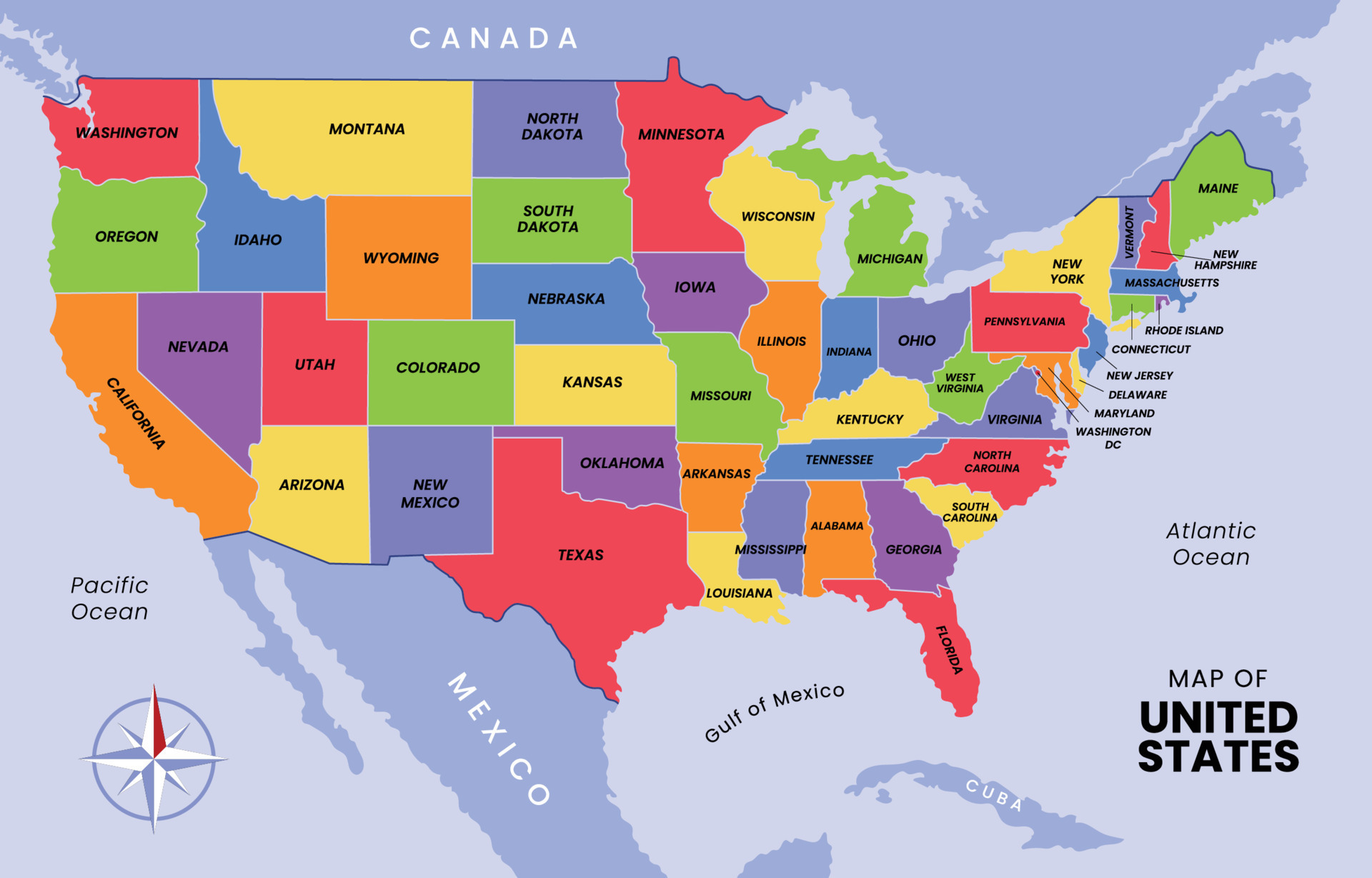
The impact of shifting troop numbers is felt most acutely in the Eastern Flank of NATO, where member states emphasize the need for a consistent and visible deterrence posture. Poland, in particular, has been a vocal proponent of maintaining a robust American presence, arguing that the security of the Baltic and Central European regions is inextricably linked to the strength of the transatlantic link. According to the Polish Ministry of National Defence, maintaining high levels of military cooperation remains a priority for regional stability. The nuance of these discussions lies in reconciling the domestic priorities of the United States with the collective security requirements of the alliance.
Beyond the troop movements, the broader question of NATO’s future trajectory involves technological integration, cyber defense, and the management of emerging threats. The alliance is currently adapting to a security environment that is vastly different from the one that existed even a decade ago. This includes addressing hybrid warfare, energy security, and the influence of non-state actors. The upcoming ministerial meetings and summit discussions are expected to further clarify how these challenges will be addressed within the established treaty framework.
Key Considerations for the Alliance
- Force Posture: The strategic repositioning of U.S. Forces is part of a long-term adjustment to global threats, moving beyond the static deployments of the 20th century.
- Burden-Sharing: There is a continued push for member states to meet their defense spending targets, ensuring that the financial responsibility for collective security is distributed equitably.
- Strategic Autonomy: European nations are exploring ways to enhance their operational independence, ensuring that the alliance remains functional even when individual members face domestic political pressures.
- Transatlantic Unity: Despite periodic tensions, the foundational commitment to Article 5—the principle of collective defense—remains the bedrock of the organization.
As the situation continues to evolve, official communications from the NATO Press Office remain the most reliable source for updates regarding policy shifts and strategic decisions. While public commentary often focuses on the potential for discord, the institutional mechanisms of the alliance continue to facilitate cooperation on a daily basis. The complexities of international relations mean that adjustments in military deployment are rarely the result of a single factor, but rather a combination of fiscal, political, and strategic considerations.
Looking ahead, the international community will be watching for the outcomes of upcoming defense summits, where member states will have the opportunity to reaffirm their commitments and align their strategic objectives. The resilience of the alliance will be tested not by the movement of individual units, but by the ability of its members to reach a consensus on how to confront the security challenges of the mid-2020s. We encourage our readers to share their perspectives on these developments in the comments section below, as we continue to monitor the situation closely.
Worth a look