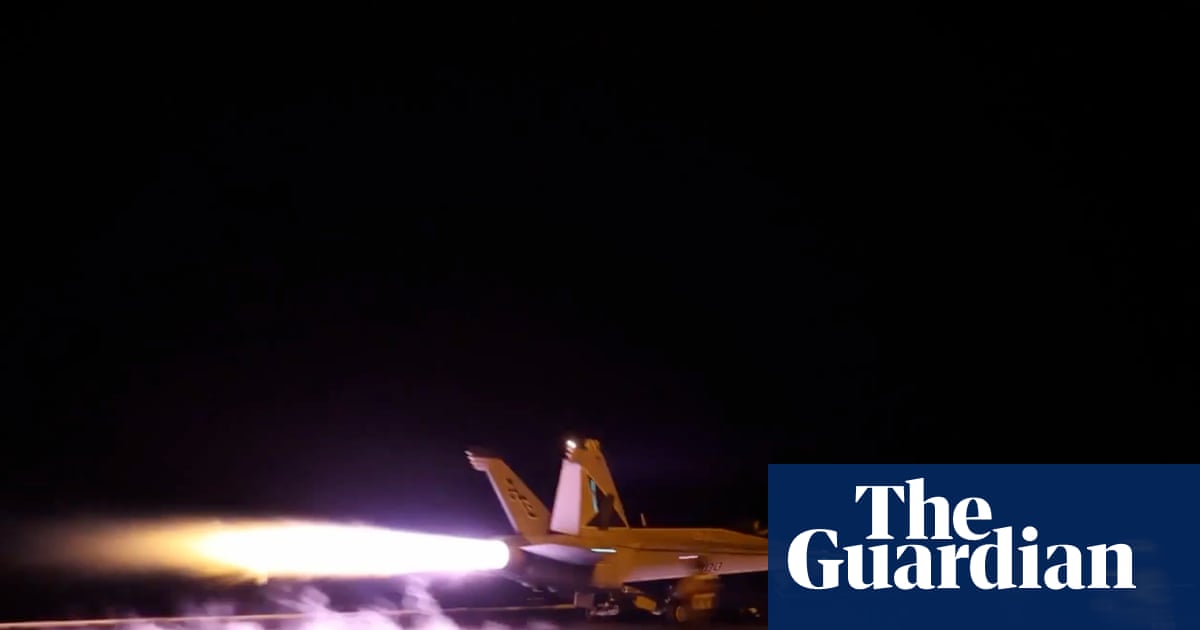
U.S. Central Command forces launched a two-hour wave of strikes hitting dozens of Islamic Revolutionary Guard Corps targets in Iran on July 29, 2026. The military action followed a failed Iranian ballistic missile attack on American troops in the Middle East, escalating regional conflict and disrupting global energy markets.
The United States carried out a heavy series of military strikes across Iran late Wednesday, marking a sharp return to hostilities after a brief multi-day pause in the conflict. Centcom reported that the operation began at 8 p.m. ET on July 29 and concluded two hours later at 10 p.m. ET. The targets included military command centers, missile and drone facilities, coastal surveillance and defense sites, and maritime capabilities belonging to Iran’s Islamic Revolutionary Guard Corps.
The U.S. action came in direct retaliation for an attempted surprise attack executed by the IRGC on July 28, during which multiple ballistic missiles were fired toward American forces stationed in the Middle East. CENTCOM confirmed that all incoming projectiles were successfully intercepted and that more than 50,000 U.S. service members deployed throughout the region remain on high alert.
President Trump Vows Hard Retaliation Amid Stalled Diplomacy
We’re going to be hitting them very hard because it’s our turn to hit them,
Trump said during an Oval Office event.
The renewed exchange of fire effectively extinguished a fragile diplomatic window. Mediators had recently expressed optimism about bringing both nations back to the negotiating table, but the latest military escalation dashed those hopes. Pakistani foreign ministry spokesperson Tahir Andrabi noted that international intermediaries were still doing their utmost to pull all parties back toward talks, though prospects for immediate de-escalation appeared dim.
Regional Spillover Damages Infrastructure in Iraq, Jordan, and Kuwait
The wider conflict continued to ripple across neighboring countries as Iran and its regional allies traded strikes with Western and Gulf partners. In Iraq, a joint military operation conducted by the U.S. and Saudi Arabia targeted Iran-backed militias following accusations that local groups had launched drone strikes against Saudi oil facilities. The Popular Mobilization Forces, an independent military formation operating within Iraq’s armed forces, reported that at least 20 of its fighters were killed and 32 others wounded in the overnight raids.

The Iraqi presidency condemned the joint strikes as an unacceptable attack and a flagrant violation of Iraq’s sovereignty while simultaneously urging armed factions to halt attacks originating from Iraqi territory. Meanwhile, Jordan reported incoming missile fire for the second day in a row, with its armed forces confirming that air defenses intercepted five projectiles without any reported casualties.
In northern Kuwait, an Iranian strike hit a building owned by a Chinese company, killing one worker and causing significant damage, according to the Kuwaiti Defense Ministry. Iranian state media also reported that the IRGC targeted U.S. assets at Ali Al Salem Air Base.
Maritime Attacks Expand Conflict to Egyptian Ports and Energy Markets
The conflict expanded its geographic footprint to North Africa when a drone attack struck the Mediterranean port of Damietta in Egypt. The incident marked the first time Egypt has been targeted since the war began in late February. The strike ignited fires aboard two natural gas vessels—a U.S.-owned floating storage facility and a Greek-owned tanker—according to maritime security firm Ambrey. Egyptian authorities confirmed the blaze, though port operations continued and no injuries were reported.
The widening hostilities immediately rattled global commodities. Brent crude prices surged on Wednesday, climbing above $88 a barrel. Analysts warned that the persistent instability around the Strait of Hormuz will continue to strain global energy supplies and deplete specialized U.S. munitions stockpiles as the five-month conflict drags on.