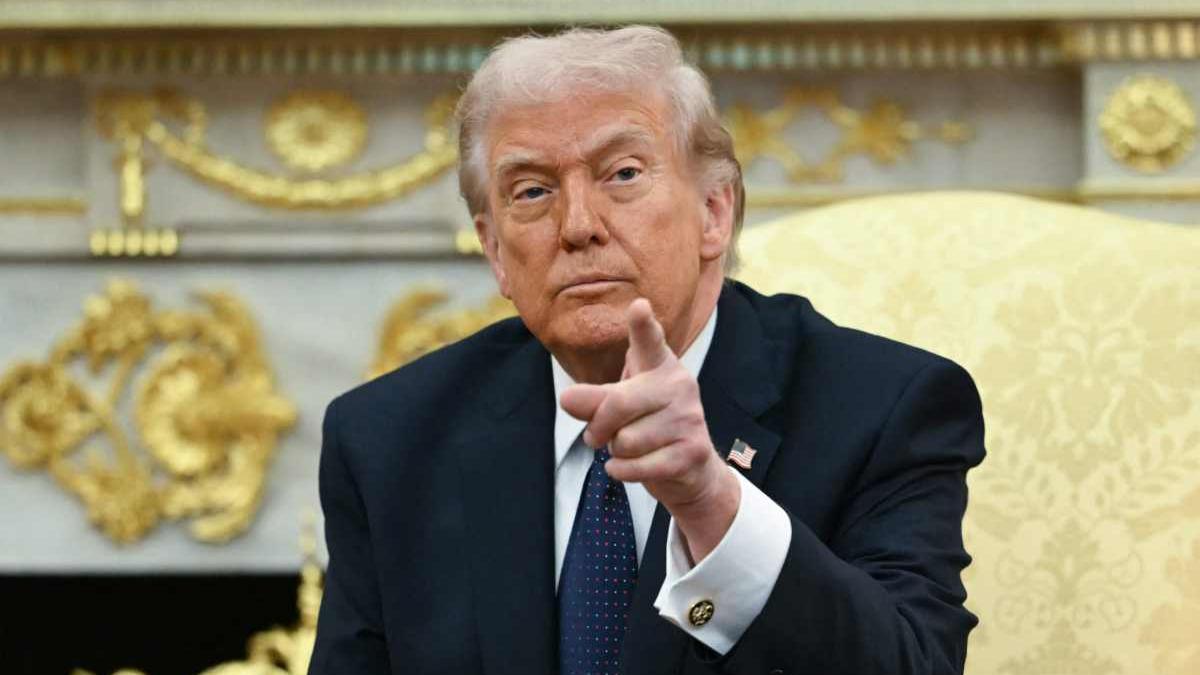
In June 2019, then-U.S. President Donald Trump ordered a military strike against Iranian targets following the downing of a U.S. Navy RQ-4A Global Hawk surveillance drone, only to call off the operation minutes before it was set to commence. The decision to halt the strike marked a significant shift in the escalating tensions between Washington and Tehran, as the administration opted for diplomatic maneuvering over immediate kinetic action. According to reports from Reuters, the president stated he chose to cancel the attack after learning that an estimated 150 Iranian personnel could be killed, a casualty count he deemed disproportionate to the loss of an unmanned aircraft.
The Decision to Halt Military Action
The incident occurred against a backdrop of heightened regional instability following a series of attacks on oil tankers in the Gulf of Oman, which the U.S. government attributed to Iran. The U.S. military had identified specific radar and missile battery sites as targets for the retaliatory strike. However, as the New York Times documented, the operation was aborted late on a Thursday evening. President Trump later publicly confirmed that he had asked for an estimated death toll, and upon receiving the figure of 150 people, he concluded that such a loss of life was not a “proportionate” response to the downing of a drone that had no human crew on board.

Diplomatic and Geopolitical Implications
The reversal underscored a broader debate within the U.S. foreign policy establishment regarding the “maximum pressure” campaign on Iran. While some advisors pushed for a robust military response to deter further provocations, others expressed concern about the risk of a broader regional conflict. The decision to stand down was interpreted by many analysts as a strategic pause that opened a narrow window for potential de-escalation. Despite the cancellation of the strike, the administration maintained that sanctions would continue to be the primary tool for influencing Iranian behavior, as noted by the BBC.
Internal Political Dynamics in Washington
The episode also highlighted the complex political landscape in Washington, where the administration faced pressure from both sides of the aisle. While the White House sought to project strength, congressional leaders from both parties were divided over the scope of presidential authority to engage in military action without explicit legislative approval. According to Congressional records, the debate over the War Powers Resolution and the limits of executive authority remained a central theme throughout this period, reflecting the legislative branch’s attempt to reclaim its constitutional role in matters of war and peace.
The Path Toward Future Stability
Following the aborted strike, the focus shifted toward how international actors might mediate the standoff. The incident serves as a historical case study in the risks of miscalculation during periods of high-intensity regional friction. As of the time of these events, the international community remained closely focused on whether the cessation of military strikes would lead to a formal dialogue or a return to the status quo of economic sanctions and proxy tensions. The situation remains a clear example of how rapid intelligence assessments can dictate high-stakes diplomatic outcomes in real-time.
For ongoing updates on U.S.-Iran relations and regional security developments, readers may consult official briefings from the U.S. Department of State or official statements released by the Department of Defense. We invite our readers to share their perspectives on the role of diplomatic restraint in international conflict resolution in the comments section below.
Keep reading