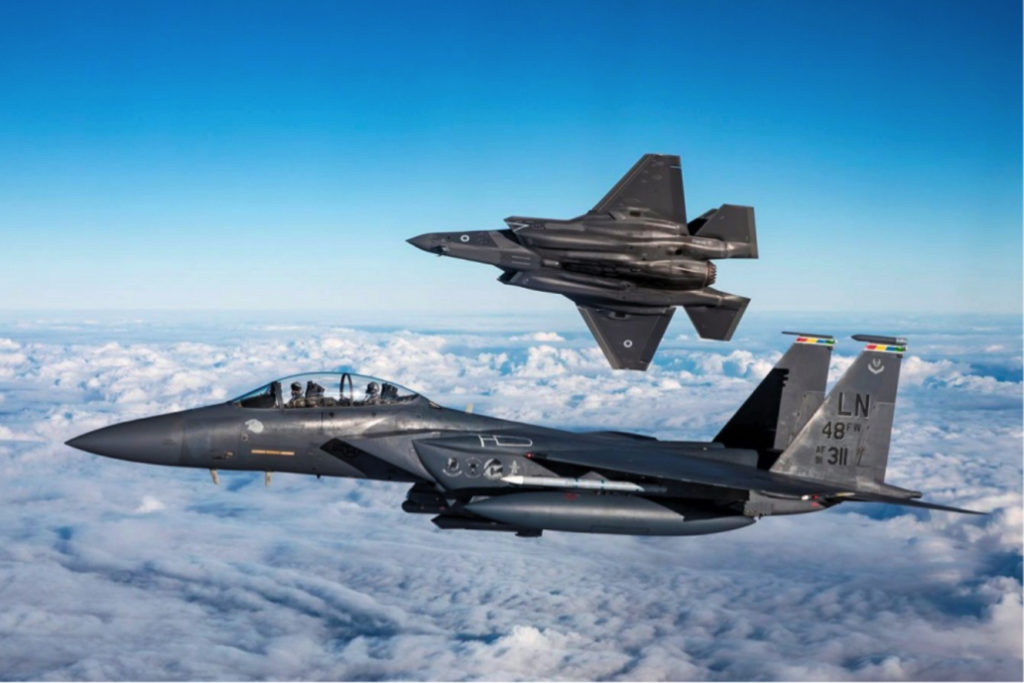
The United States is adjusting its military posture in Europe, a shift that is prompting NATO to re-evaluate its collective defense planning ahead of upcoming high-level summits. While the U.S. remains the primary security guarantor for the alliance, recent adjustments to troop rotations and logistics footprints have forced member states to accelerate efforts toward greater defense autonomy. These changes follow a broader trend of shifting U.S. strategic focus toward the Indo-Pacific region, a transition that has been ongoing since the 2017 National Defense Strategy was first introduced by the Department of Defense (U.S. Department of Defense, 2018).
As the Editor of the World section here at World Today Journal, I have tracked these logistical movements closely. The current reorganization is not a sudden withdrawal, but rather a realignment of assets that requires NATO to modernize its command structures. This evolution is critical as the alliance balances persistent security concerns on its eastern flank with changing global priorities in Washington.
Strategic Realignment and NATO Operational Planning
NATO’s strategic planning process is currently undergoing a significant update to account for reduced U.S. permanent basing and a greater reliance on rapid-response capabilities. According to the NATO Strategic Concept, the alliance must maintain credible deterrence while ensuring that European allies contribute a larger share of the heavy lifting. This shift is particularly evident in the transition toward the New Force Model, which aims to have over 300,000 troops at high readiness, as outlined by the NATO Secretary General’s office.

The reduction in long-term U.S. presence does not equate to a lack of commitment, but it does change the operational math for European defense ministers. For decades, the U.S. provided the bulk of intelligence, surveillance, and reconnaissance (ISR) assets. As these are redistributed, European nations are now forced to invest in their own sovereign capabilities to ensure the alliance remains cohesive. This is reflected in the increased defense spending targets set by member states, many of whom have recently committed to meeting or exceeding the 2% of GDP benchmark for defense investment (NATO Public Diplomacy Division, 2024).
The Impact of Shifting Global Priorities
The Biden administration has consistently emphasized the necessity of a “pivot” toward the Indo-Pacific to address the rise of China as a strategic competitor. This policy has tangible consequences for European security architectures. When U.S. forces are redeployed or transitioned to a rotational basis, the logistical burden of maintaining readiness falls on the host nations. This creates a reliance on interoperability—the ability of different national militaries to work together seamlessly—which has become the central focus of recent NATO ministerial meetings.
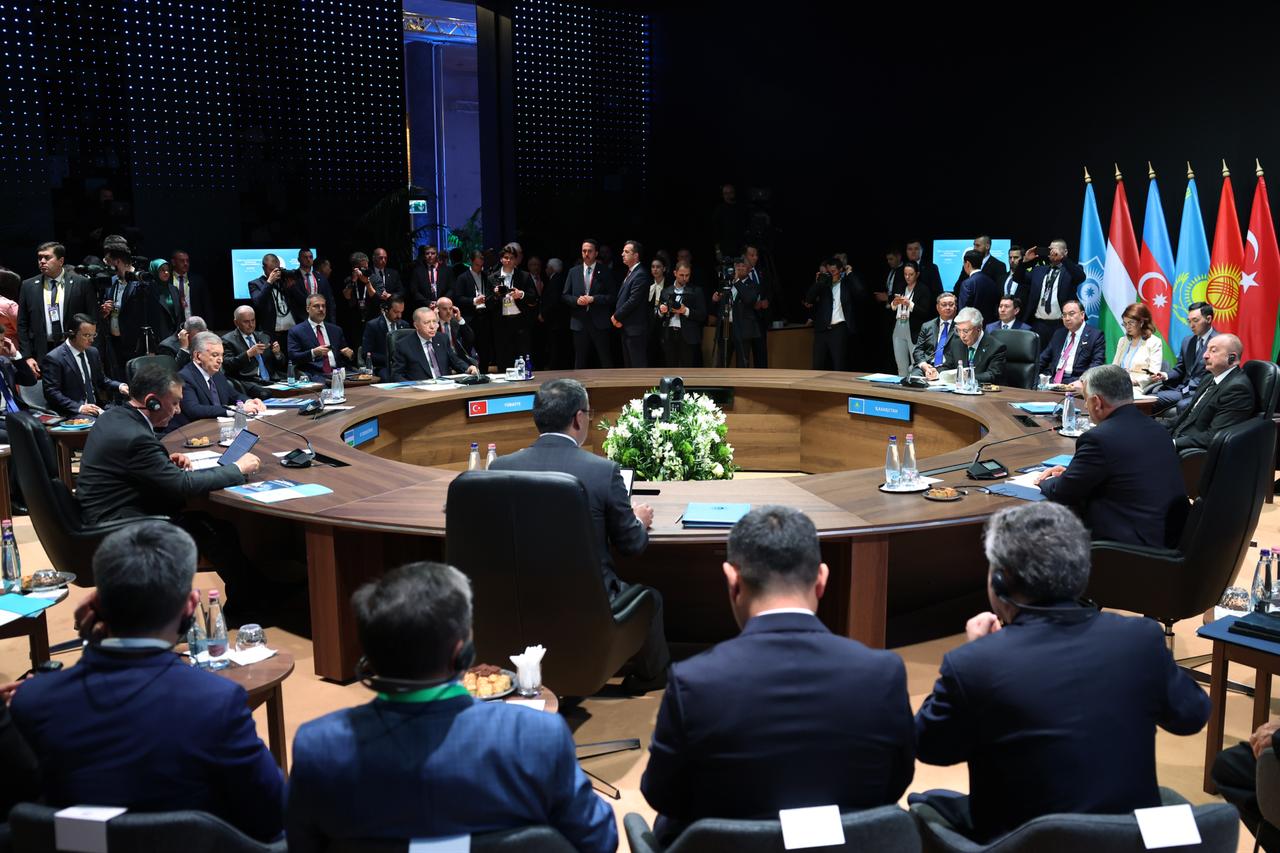
Critics and analysts have pointed out that this transition risks creating a “readiness gap” if European industrial bases cannot keep pace with the demand for ammunition and equipment. As noted by the European Parliamentary Research Service, the challenge lies in scaling production to meet both the needs of current regional conflicts and the long-term requirements of collective defense. The current reorganization efforts are designed to mitigate these risks by streamlining supply chains and standardizing equipment across the alliance.
What Happens Next for the Alliance
The immediate focus for NATO leadership is the upcoming series of ministerial consultations. These meetings are intended to finalize the regional defense plans that were initiated during the Vilnius Summit. These plans represent the most significant overhaul of NATO’s defense posture since the end of the Cold War, moving from a strategy of “deterrence by reinforcement” to “deterrence by denial” (NATO Official Portal).
As we look toward the next cycle of diplomatic engagements, the key indicators to watch include:
- The status of the “300,000 troops” readiness goal, which is subject to ongoing national contributions.
- New agreements on burden-sharing regarding the maintenance of critical infrastructure and logistics hubs.
- Updates from the European Defence Agency on joint procurement initiatives meant to reduce dependence on external supply chains.

The alliance is expected to provide further clarity on these logistics and troop commitments during the next scheduled Defense Planning Committee meeting. We will continue to monitor these developments as they unfold, ensuring our readers receive the most accurate updates on this shifting geopolitical landscape. I encourage our readers to engage in the discussion below—how do you view the balance between U.S. global commitments and the necessity for a more independent European defense capability? Your insights are always welcome as we navigate these complex global shifts together.
Worth a look