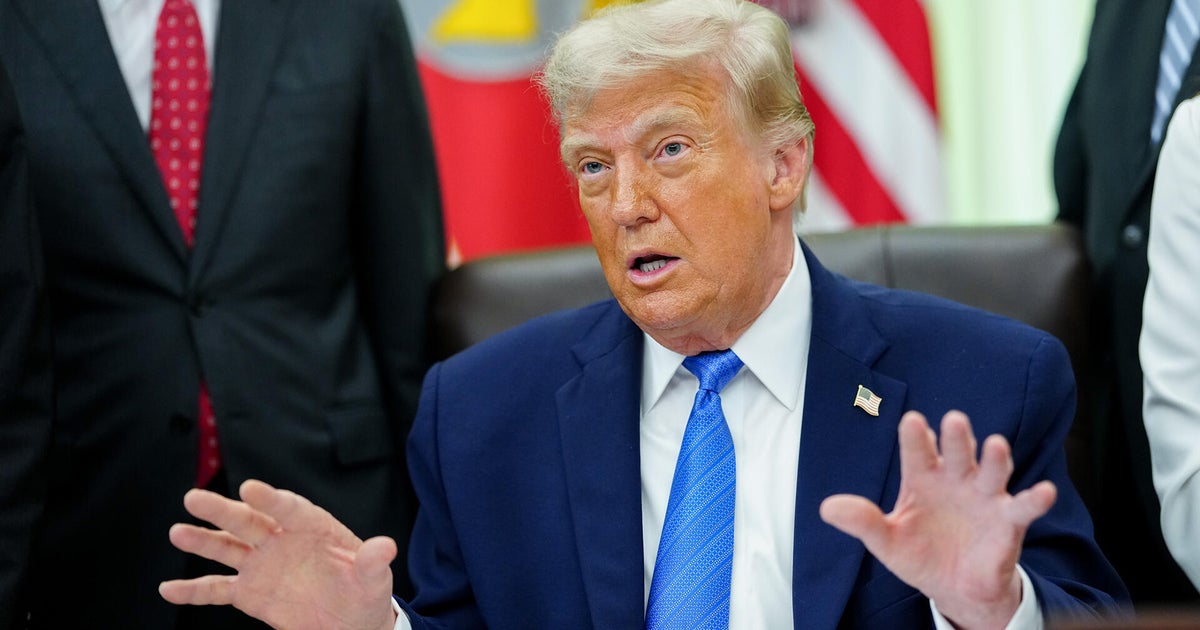
President-elect Donald Trump has stated that a settlement regarding Iran has been reached, with the potential for a formal signing as early as this weekend, according to recent public remarks. While the president-elect has characterized the agreement as nearing finality, international observers and diplomatic channels have yet to provide independent confirmation of a signed accord or a finalized set of terms between the United States and Tehran. The situation remains fluid as global markets react to the possibility of de-escalation in the Middle East.
Status of the Potential U.S.-Iran Settlement
The core of the current discussion revolves around Trump’s assertion that diplomatic progress has moved significantly toward a resolution. Throughout the week, the incoming administration has signaled that a deal could facilitate a shift in regional security, potentially securing the Strait of Hormuz, a critical maritime chokepoint for global oil supplies. According to reporting from the Reuters news agency, the volatility in energy markets has remained sensitive to any updates concerning U.S. policy toward Iran, as investors weigh the implications of a potential easing of tensions.

Despite the optimism expressed in recent briefings, there remains a notable gap between the statements made by the transition team and the lack of official documentation from the State Department or the Iranian Foreign Ministry. In international diplomacy, a settlement of this magnitude typically requires formal verification through established diplomatic channels, such as the United Nations or neutral intermediaries, to ensure compliance with existing international law and nuclear non-proliferation frameworks monitored by the International Atomic Energy Agency (IAEA).
Market Response and Geopolitical Implications
Global markets have demonstrated a heightened interest in these developments. The prospect of a finalized settlement has seen fluctuations in crude oil pricing, as traders assess the likelihood of increased supply stability. Financial analysts tracking the situation note that while “deal” rhetoric often moves asset prices, the actual implementation of such agreements is subject to complex legislative and international hurdles, including the potential for renewed economic sanctions or congressional oversight in the United States.
The geopolitical context is further complicated by recent regional skirmishes. The U.S. Department of Defense has previously reported on various incidents involving maritime security and regional proxy forces, which complicate the narrative of an immediate peace settlement. Analysts often distinguish between “declaratory policy”—statements intended to shape public or market perception—and “operational policy,” which is reflected in formal treaties and military posture changes.
Comparing Perspectives on Diplomatic Progress
Media outlets have offered varying interpretations of the timeline for a potential signing. While some reports suggest a deal is “all but final,” others emphasize the significant obstacles remaining, such as the verification of enrichment levels and the release of regional detainees. This variance in reporting often stems from the difference between anonymous sources close to transition efforts and official government spokespersons who remain bound by diplomatic protocols.
The following table outlines the current discrepancies in reporting regarding the status of the talks:
| Source Type | Stated Status | Attribution Basis |
|---|---|---|
| Transition Team | Settlement reached; signing imminent | Direct statements by Donald Trump |
| International Analysts | Diplomatic framework in progress | Regional security observation |
| State/Official Bodies | No confirmed signing | Lack of public record/documentation |
What Happens Next: Monitoring the Situation
For the public and international stakeholders, the next verified checkpoint involves the potential release of an official statement from the White House or the Iranian government confirming the specific terms of any agreement. Currently, no formal signing ceremony has been scheduled or confirmed by an independent, third-party diplomatic authority. Interested parties are encouraged to monitor updates from the White House press office for any official documents, executive orders, or formal diplomatic communiqués that would signify the actual conclusion of a settlement.
As this story develops, further analysis will be required to determine if the reported settlement includes provisions for the lifting of economic sanctions or adjustments to the U.S. military presence in the Persian Gulf. We invite readers to share their insights or questions in the comments section below, as we continue to track the official records and diplomatic developments surrounding this issue.
Related reading