
Speculation regarding an eventual SpaceX initial public offering (IPO) has triggered interest among financial product developers, with some firms preparing to launch leveraged exchange-traded funds (ETFs) designed to offer traders high-risk exposure to the aerospace company’s equity. While Space Exploration Technologies Corp. remains a private entity, the anticipation of its entry into public markets has led to discussions about how retail and institutional investors might gain concentrated, speculative access to the firm’s valuation.
For investors, these planned financial instruments represent a shift toward sophisticated, short-term betting tools that amplify both potential gains and losses. Because SpaceX has not filed a registration statement with the U.S. Securities and Exchange Commission (SEC) to go public, the current market for these ETFs remains purely speculative. According to SEC regulatory filings, any company seeking to list on a public exchange must first provide comprehensive financial disclosures and undergo a rigorous review process before shares can be traded by the general public.
The Mechanics of Leveraged Betting on Private Enterprise
Leveraged ETFs typically use financial derivatives—such as options, swaps, and futures—to achieve a daily return that is a multiple of the underlying asset’s performance. In the context of a potential SpaceX IPO, firms are reportedly looking to create products that provide 2x or 3x exposure to the stock, or inverse products that bet against its performance. This strategy is common in highly volatile sectors, such as technology and energy, but carries significant risk for long-term holders due to “volatility decay,” where the daily rebalancing of the fund erodes value over time.
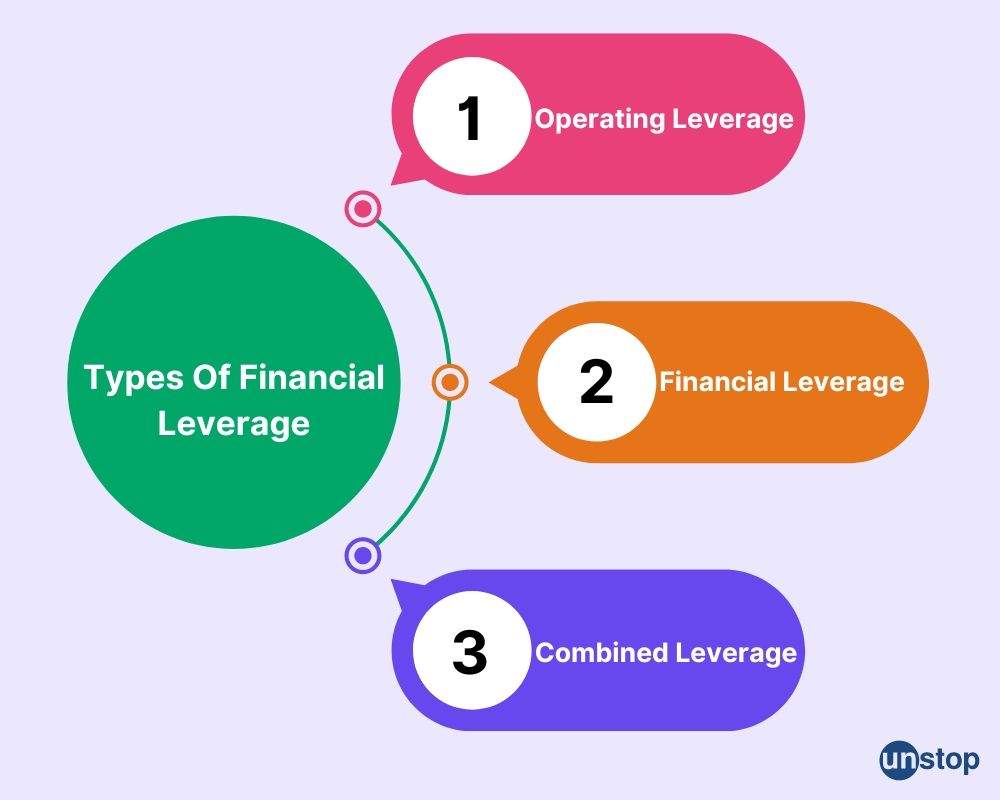
Financial analysts note that the novelty of a SpaceX IPO would likely create extreme price swings, making leveraged products particularly attractive to day traders but potentially hazardous for passive investors. The Financial Industry Regulatory Authority (FINRA) has consistently warned that leveraged and inverse ETFs are designed for sophisticated investors who monitor their portfolios daily, as these products are not intended to be held for extended periods.
Market Context: The SpaceX Valuation Landscape
SpaceX has maintained its status as one of the most valuable private companies in the world, largely driven by its dominance in the satellite launch market through its Falcon 9 rockets and the expansion of the Starlink broadband network. According to its most recent private funding round data, the company reached a valuation exceeding $200 billion. This massive scale makes it a prime target for retail speculation, similar to the interest seen in other high-profile tech debuts.

However, the lack of public financial reporting complicates the creation of these ETFs. Without public quarterly earnings reports or audited balance sheets, issuers of such funds would face significant hurdles in establishing a fair market value for the underlying asset. Under SEC guidelines, ETFs must maintain transparency regarding their holdings and valuation methods, a requirement that is straightforward for publicly traded stocks but difficult to manage for private equity interests.
Investor Risks and Regulatory Hurdles
The primary risk for any investor eyeing these proposed products is the uncertainty of the IPO timeline itself. SpaceX leadership, including CEO Elon Musk, has historically provided conflicting signals regarding the timing of a public listing. While the Starlink division has been the subject of frequent speculation regarding a spin-off, no official date for such a transaction has been confirmed by the company.
Regulators remain cautious about the proliferation of high-risk investment products. The SEC has previously moved to restrict or require additional disclosures for complex financial products to ensure that retail investors understand the potential for total loss of capital. Any ETF seeking to track a pre-IPO asset would likely face intense scrutiny to ensure that the fund’s tracking methodology does not mislead investors about the liquidity or volatility of the underlying company.
What Happens Next?
For now, the development of these leveraged ETFs remains in the planning phase, contingent on a formal IPO announcement from SpaceX. Investors waiting for updates should monitor the SEC EDGAR database for any official registration statements or S-1 filings from SpaceX, which would serve as the only legally binding confirmation of a move toward public markets.
Until a formal filing is made, these leveraged products remain theoretical. Interested market participants are encouraged to review their own risk tolerance and consult with a licensed financial advisor before allocating capital to speculative, high-leverage instruments. We will continue to track any regulatory filings or official corporate disclosures regarding SpaceX’s capital structure. Please share your thoughts on the impact of private-to-public transitions in the comments section below.
Keep reading