
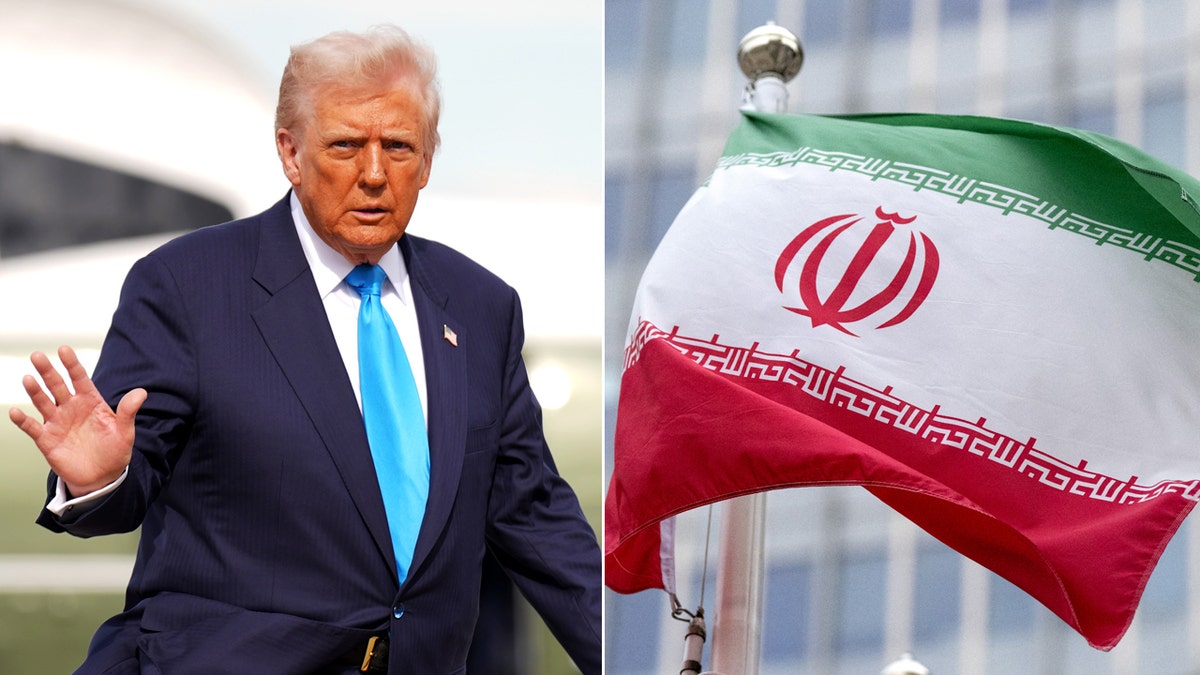
Iranian Foreign Minister Abbas Araghchi stated that while Tehran prefers a diplomatic resolution to ongoing regional tensions, the country remains prepared for military conflict. His comments follow a series of public warnings from U.S. President-elect Donald Trump regarding Iran’s regional influence and nuclear program, marking a volatile period in Middle Eastern geopolitics as the transition of power in Washington approaches.
According to official statements reported by Reuters, Araghchi emphasized that Iran is open to negotiations provided they are based on mutual respect and the recognition of Iranian sovereignty. The foreign minister’s remarks underscore a strategic effort to signal readiness for engagement while simultaneously maintaining a firm stance on national defense. The current geopolitical landscape is defined by the upcoming shift in the U.S. executive branch, with analysts closely watching how the incoming administration will manage the 2015 nuclear deal framework and regional security architectures, as detailed in reports by the Council on Foreign Relations.
Diplomatic Strategy Amid Shifting U.S. Policy
The Iranian government has signaled a desire to maintain communication channels despite the return of a “maximum pressure” style of rhetoric. Araghchi’s assertion that diplomacy is the “preferred path” serves as a calculated move to contrast the Iranian position with the anticipated hardline policies of the incoming Trump administration. Historically, the U.S. policy toward Iran has fluctuated significantly between the Obama-era Joint Comprehensive Plan of Action (JCPOA) and the subsequent withdrawal under the first Trump administration in 2018, an event documented by the U.S. Department of State.
For international observers and market participants, the primary concern remains the stability of energy markets and maritime security in the Persian Gulf. Any escalation in military posturing typically correlates with increased volatility in global oil prices. As noted by the International Energy Agency, the region remains a critical artery for global energy supplies, and any disruption to the Strait of Hormuz could have immediate, widespread economic consequences.
Military Readiness and Regional Alliances
While emphasizing diplomacy, Araghchi acknowledged that the Islamic Revolutionary Guard Corps (IRGC) and the broader Iranian military apparatus remain on high alert. This dual-track approach—offering dialogue while preparing for potential confrontation—is a hallmark of Iranian foreign policy. The country’s military doctrine relies heavily on asymmetric warfare capabilities, including ballistic missile programs and a network of regional proxies, according to assessments by the Office of the Director of National Intelligence.
The tension is further complicated by the ongoing conflict in Gaza and Lebanon, where Iran-backed groups remain active. The interplay between these regional skirmishes and the broader U.S.-Iran relationship creates a complex web of risks. Observers suggest that any miscalculation in these areas could trigger a wider conflict, though both Tehran and Washington have historically sought to avoid direct, large-scale kinetic warfare.
What Happens Next: Monitoring the Transition
The next major checkpoint in this developing situation will be the inauguration of Donald Trump on January 20, 2025. Until that date, global markets and regional actors are operating in a period of intense speculation. Analysts from the Atlantic Council suggest that the first 100 days of the new administration will likely clarify whether the U.S. intends to pursue a renewed sanctions-heavy approach or explore new frameworks for de-escalation.
For those tracking this story, official updates from the Iranian Ministry of Foreign Affairs and the U.S. State Department remain the most reliable sources of policy shifts. As the situation evolves, we will continue to provide analysis on the economic and geopolitical implications of these developments. We invite readers to share their perspectives on the potential for diplomatic breakthroughs in the comments section below.
Worth a look