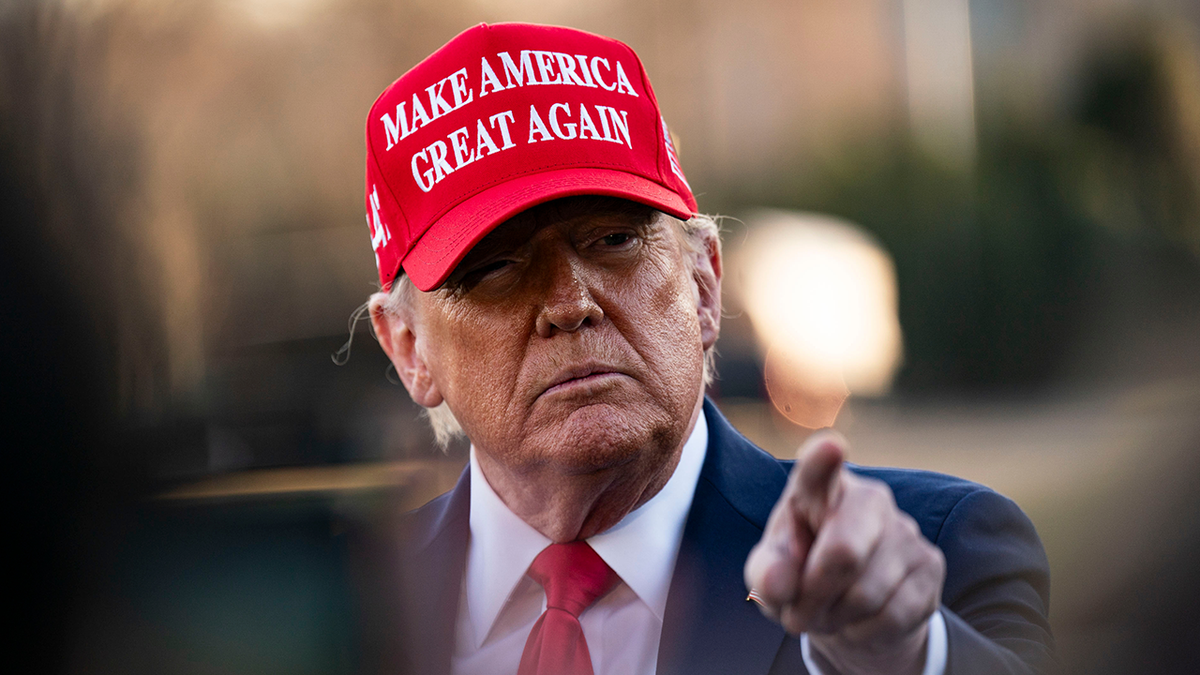
The geopolitical landscape surrounding Iran’s nuclear program has sharpened significantly, as U.S. Leadership reasserts a policy stance focused on the retrieval and potential destruction of the nation’s highly enriched uranium stockpiles. This development marks a pivotal moment in international diplomacy, as observers weigh the possibility of renewed negotiations against the prospect of heightened regional tension.
As the international community monitors these developments, the central question remains: whether the current diplomatic framework can contain Iran’s nuclear activities or if the U.S. Administration will move toward more assertive measures. The rhetoric from Washington has been clear, signaling a hardening of policy toward Tehran’s nuclear ambitions and a demand for the surrender of materials that could theoretically be used in weapons development.
The focus on the disposition of highly enriched uranium is a sensitive issue that has long dominated the discourse between Washington, and Tehran. For a deeper understanding of the historical context of these nuclear negotiations, readers can consult the International Atomic Energy Agency (IAEA) updates on Iran. The current administration’s stated objective—retrieving and potentially destroying these stockpiles—represents a significant departure from previous diplomatic efforts aimed primarily at monitoring and limiting enrichment levels.
Evaluating the Diplomatic Stance
The situation is further complicated by the broader international reaction, which has been characterized by volatility in global energy markets. When reports emerge regarding the potential for either a breakthrough in talks or a move toward confrontation, the immediate impact is often felt in oil pricing, reflecting the market’s sensitivity to the prospect of instability in the Middle East. According to market analysts, any disruption to the status quo in the Persian Gulf historically correlates with shifts in crude oil benchmarks, as stakeholders assess the risks to transit routes and production facilities.
While the administration has indicated a preference for the removal of these materials, the technical and political hurdles to achieving such an outcome remain substantial. The process of verifying the quantity and quality of uranium stockpiles requires rigorous international oversight, a mechanism that has frequently been the subject of contention between Tehran and the IAEA. The current diplomatic environment necessitates a careful balance between applying pressure and maintaining open channels for communication, as the international community seeks to avoid a broader escalation.
Strategic Implications for Global Security
The debate over whether to “talk or fight” is not merely academic; it has real-world consequences for regional stability and global non-proliferation efforts. Experts in international relations suggest that the U.S. Strategy of demanding the surrender of enriched uranium is designed to minimize the latent nuclear capability Tehran possesses. However, this approach carries the risk of a complete breakdown in communication, potentially leaving few options for de-escalation.
The administration’s focus on this issue underscores a broader strategy of “maximum pressure” intended to force a change in Iran’s behavior. Whether this strategy will lead to a negotiated settlement or a more entrenched standoff is the subject of intense debate in policy circles. The U.S. Department of State continues to maintain that its primary goal is to ensure that Iran never acquires a nuclear weapon, though the methods for achieving this goal remain a point of significant friction with international partners and the Iranian government alike.
Looking Ahead: The Next Steps
As of late May 2026, the diplomatic community is awaiting the next round of reports from the IAEA, which will provide the technical baseline for assessing Iran’s current enrichment capabilities. These reports are essential for determining the next phase of international engagement. Any potential movement toward a new agreement or a further tightening of sanctions will likely be contingent upon the findings contained in these upcoming documents.

For those following this developing situation, official updates from the United Nations Security Council regarding international resolutions and sanctions remain the most reliable source of information on the legal framework governing this issue. We will continue to monitor these developments closely as more information becomes available. We invite our readers to share their perspectives on these evolving events in the comments section below.
- Nauru Changes Official Name to Republic of Naoero
- French Police Investigate Suicides and Attempted Suicides at Prime Minister’s Office
- BP Q2 Profit Hits $5.7 Billion Amid Trump Criticism of Big Oil Windfalls (time.news)
- Trump Administration Begins Systematic Appropriation of Japanese Manga (newsdirectory3.com)