
Dutch lawmakers are currently exploring the implementation of a domestic violence disclosure scheme, colloquially referred to as a “Dutch Clare’s Law,” aimed at empowering individuals to assess the safety of their relationships. The proposed legislation would provide a legal framework for citizens to request information from law enforcement regarding a partner’s history of violent behavior, a measure designed to prevent domestic abuse and address concerns surrounding femicide in the Netherlands. The initiative, currently under discussion by members of the D66, GroenLinks-PvdA and VVD parties, seeks to mirror the intent of the United Kingdom’s Domestic Violence Disclosure Scheme, which was formally established in 2014 following years of advocacy (UK Home Office Guidance).
The legislative proposal comes at a time when European nations are increasingly scrutinizing their domestic violence protocols. By allowing individuals and their concerned close contacts to inquire about a partner’s criminal record related to violence, proponents argue that potential victims can make informed decisions before a relationship escalates into dangerous territory. The discussion centers on the balance between privacy rights and the state’s duty to protect citizens from known risks of harm, a debate that has gained significant traction in the Dutch parliament as lawmakers seek concrete tools to combat gender-based violence (Dutch Ministry of Justice and Security Domestic Violence Policy).
The Evolution of Clare’s Law
The concept of a “Clare’s Law” originated in the United Kingdom, named in memory of Clare Wood, who was murdered by her former partner in 2009. Her case highlighted a critical intelligence gap: the perpetrator had a history of violent behavior toward previous partners, but this information was not accessible to Wood, who was unaware of the danger she faced. The resulting scheme, officially known as the Domestic Violence Disclosure Scheme (DVDS), introduced two primary pathways for information disclosure: the “Right to Ask” and the “Right to Know” (College of Policing).

Under the UK system, the “Right to Ask” allows an individual to apply to the police for information about their partner’s history. The “Right to Know” empowers the police to proactively disclose information to an individual if they believe that person is at risk of harm. The Dutch proposal currently under consideration aims to adapt this dual-pathway model to fit the specific legal and administrative landscape of the Netherlands, ensuring that data protection laws—such as the General Data Protection Regulation (GDPR)—are respected while prioritizing the safety of potential victims (European Commission Data Protection Standards).
Legislative Intent and Public Safety
For Dutch lawmakers, the primary objective is to reduce the incidence of lethal domestic violence. By providing access to verified historical data regarding a partner’s criminal background, the state aims to intervene before incidents of intimidation, physical assault, or death threats turn fatal. The discourse among policymakers emphasizes that domestic violence is frequently characterized by a pattern of behavior, and that past conduct is often the most significant indicator of future risk.
The implementation of such a law involves complex logistical considerations, including how police departments will process requests, the criteria for disclosure, and the training required for officers to handle sensitive requests with the necessary discretion and speed. In the United Kingdom, the decision to disclose is made following a multi-agency risk assessment, ensuring that the information shared is necessary, proportionate, and legally justified to prevent crime or protect a victim from harm (Crown Prosecution Service Legal Guidance).
Next Steps in the Legislative Process
As of May 2026, the proposal remains in the exploratory phase. The Dutch coalition has requested that the relevant State Secretary conduct a formal feasibility study to determine how a domestic violence disclosure scheme could be effectively integrated into existing Dutch criminal justice procedures. This study is expected to evaluate the potential impact on police resources, the protection of personal data, and the overall efficacy in preventing domestic homicides.
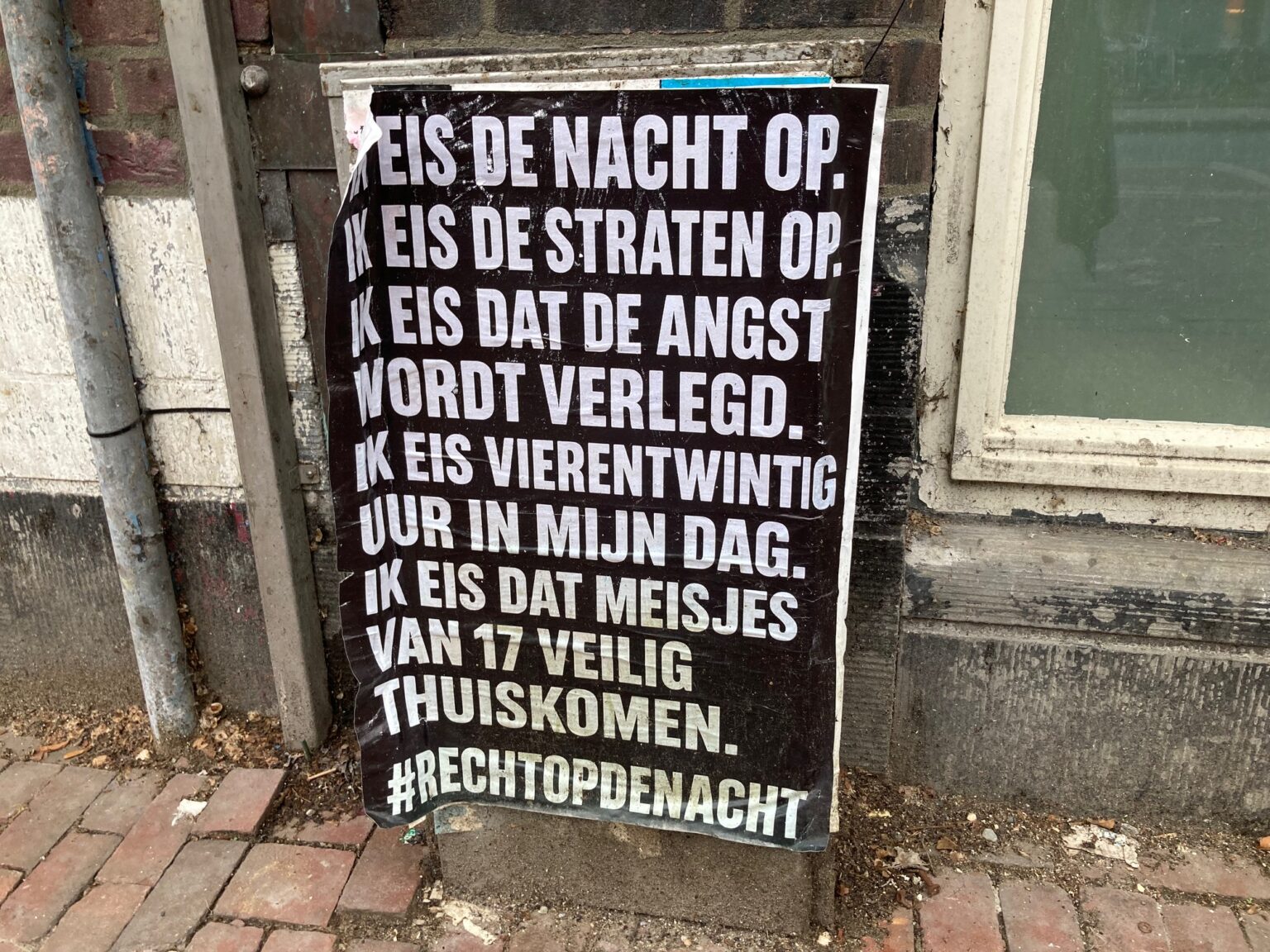
While no formal bill has yet been introduced for a final parliamentary vote, the ongoing dialogue reflects a growing political consensus on the necessity of proactive measures to address gender-based violence. Observers and stakeholders are now awaiting the findings of the feasibility study, which will likely serve as the foundation for any future legislation. We will continue to monitor official government announcements regarding the progress of this policy and provide updates as they become available.
Have you been following the legislative developments regarding domestic violence policy in the Netherlands? Share your thoughts or questions in the comments section below.
Keep reading