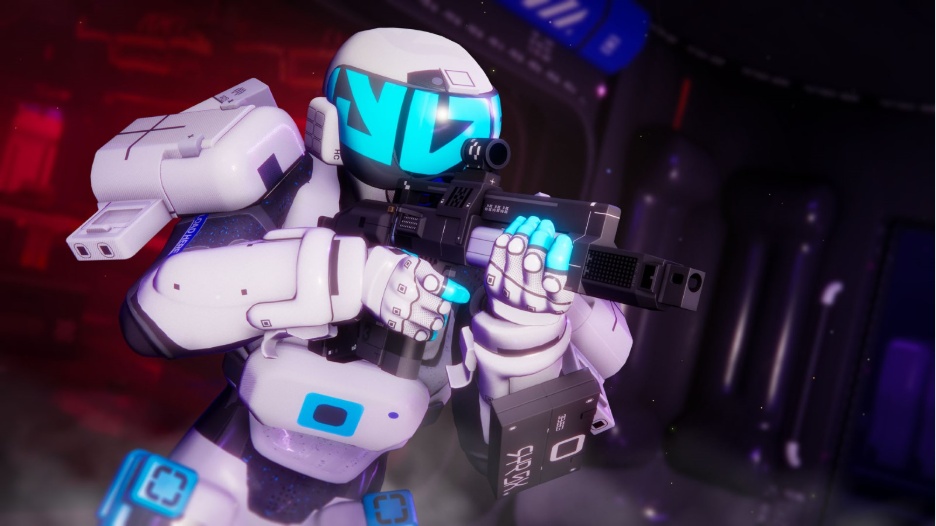
The gaming community is currently navigating a period of significant transition as Bungie, the Bellevue-based studio behind the iconic Destiny franchise, shifts its internal priorities. Following recent reports regarding the company’s long-term development roadmap, players have expressed their frustrations through digital storefronts and social media channels. As the studio pivots its resources, the discourse surrounding the future of its titles—particularly the sci-fi shooter Destiny 2 and the upcoming project Marathon—has intensified among its dedicated player base.
For many, the current tension stems from perceived changes in the lifecycle of Destiny 2, a title that has served as a cornerstone of the studio’s output since its 2017 release. Bungie, which has been a subsidiary of Sony Interactive Entertainment since 2022, has faced a complex landscape as it balances the maintenance of live-service titles with the development of new intellectual property. The resulting uncertainty has led to a surge in community engagement on platforms where user reviews are hosted, as fans look for clarity regarding the studio’s commitment to its established titles.
Shifting Development Priorities at Bungie
Bungie’s evolution as a developer has been marked by significant milestones, including its transition from an independent entity to a subsidiary of Sony Interactive Entertainment in a deal finalized in 2022. According to official company history, the studio, founded in 1991, has consistently sought to build worlds that foster community. However, the operational reality of managing global live-service games requires constant resource allocation. The studio’s current focus is increasingly directed toward Marathon, a project that represents a new chapter for the developer rather than a direct continuation of previous franchises like Destiny 3. Detailed information regarding the studio’s corporate structure and history can be found on the official Bungie website.

This strategic redirection is not uncommon in the high-stakes world of AAA game development, where studios must frequently decide between supporting legacy content and investing in future innovation. For the player base, however, the shift is felt most acutely in the cadence of updates and the longevity of content support. When a developer moves to prioritize new projects, the community often reacts to the perceived end of an era for their favorite games. This cycle of engagement and frustration is a recurring theme in modern gaming, where the line between service-based longevity and studio evolution often blurs.
Community Response and Digital Sentiment
The recent influx of negative sentiment across various platforms reflects a broader trend in how players interact with game developers during times of corporate transition. When users feel that their investment in a live-service ecosystem is at risk, they often utilize public feedback forums to voice their concerns. In this instance, the focus has shifted toward Marathon, with some players expressing their disappointment by engaging with the review systems associated with the upcoming title. This phenomenon highlights the deep emotional connection many players maintain with the worlds created by Bungie, dating back to the studio’s early work on the original Marathon and Myth series in the 1990s.
As a technology editor who has observed the industry for nearly a decade, I find that these moments of friction are often symptomatic of the transparency gap between developers and their audiences. While studios are constrained by business imperatives and non-disclosure requirements, players operate on the expectation of long-term support for titles that function as social hubs. Bridging this gap remains one of the primary challenges for modern game developers as they navigate the transition from one generation of service games to the next.
Understanding the Studio’s Next Steps
Bungie’s history is defined by its ability to pivot, from its early years in Chicago to its time under Microsoft and its eventual independence, and now its current role within the Sony Interactive Entertainment ecosystem. Throughout these changes, the studio has maintained a focus on its core franchises. The transition toward Marathon is a significant undertaking that requires the collective effort of the studio’s workforce, which, as of 2024, consists of approximately 850 employees, as noted by independent records of the studio’s operations.
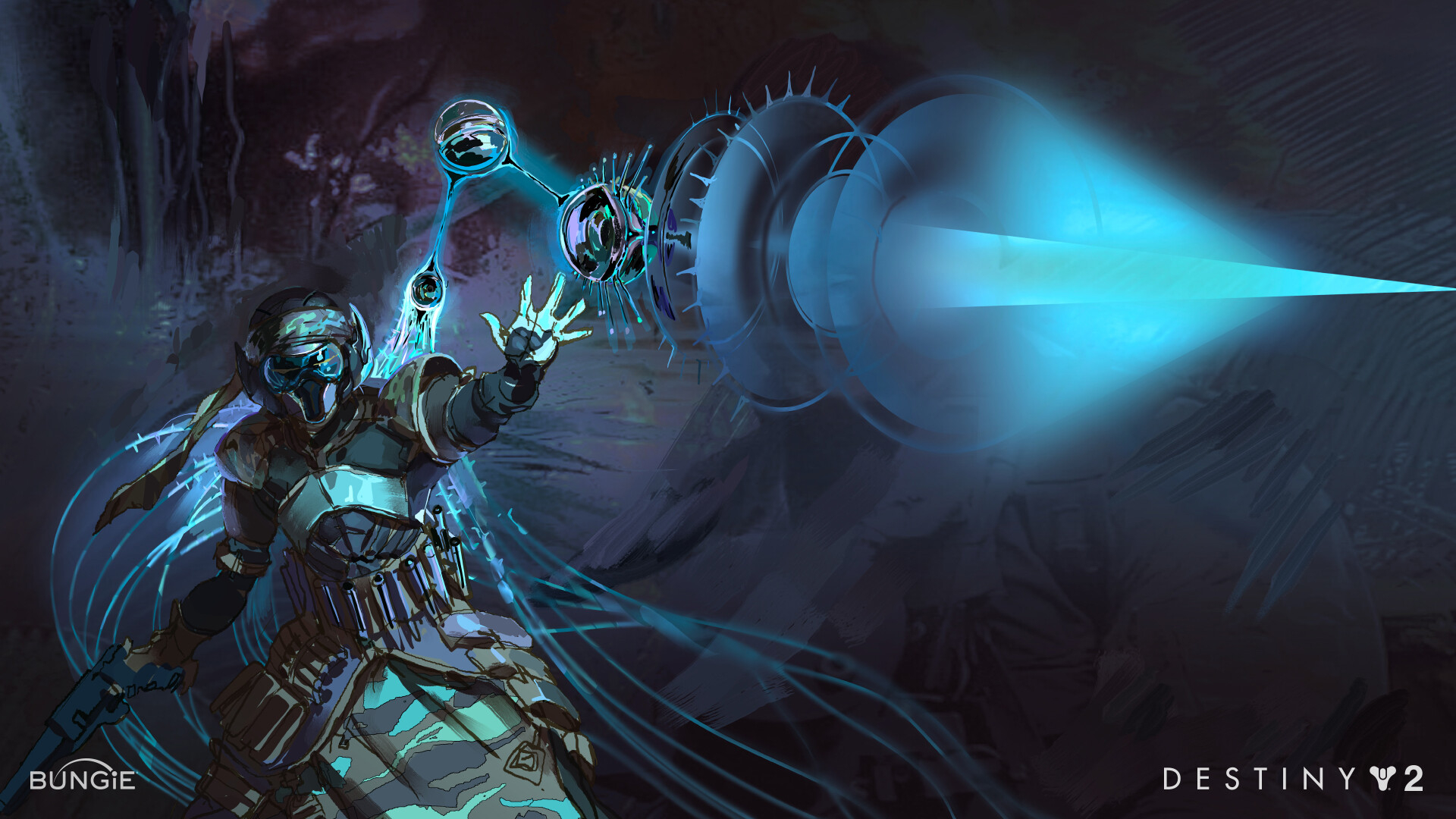
For those tracking these developments, it is essential to distinguish between confirmed studio announcements and the speculation that inevitably arises during periods of transition. Bungie has historically utilized its own platforms to communicate updates, and players are encouraged to monitor official channels for the most accurate information regarding the lifecycle of their favorite titles. The studio continues to operate from its headquarters in Bellevue, Washington, managing the complex task of developing new experiences while maintaining the integrity of its existing digital environments.
Looking Ahead
As we move through the remainder of the year, the industry will be watching closely to see how Bungie manages the transition between its established legacy and its future output. The success of Marathon will likely depend not only on its gameplay mechanics but also on how effectively the studio can maintain the trust of its long-term community. Whether this current period of tension evolves into a new era of stability or remains a point of contention depends on the studio’s ability to communicate its vision clearly to the players who have supported it for over three decades.
We will continue to provide updates as official announcements regarding development timelines and project milestones are released by the studio. In the meantime, we invite our readers to share their thoughts on how studios should balance the maintenance of legacy titles with the pursuit of new creative ventures. Does the future of gaming lie in the constant evolution of live services, or is it time for a shift toward new, standalone experiences? Join the conversation in the comments below.