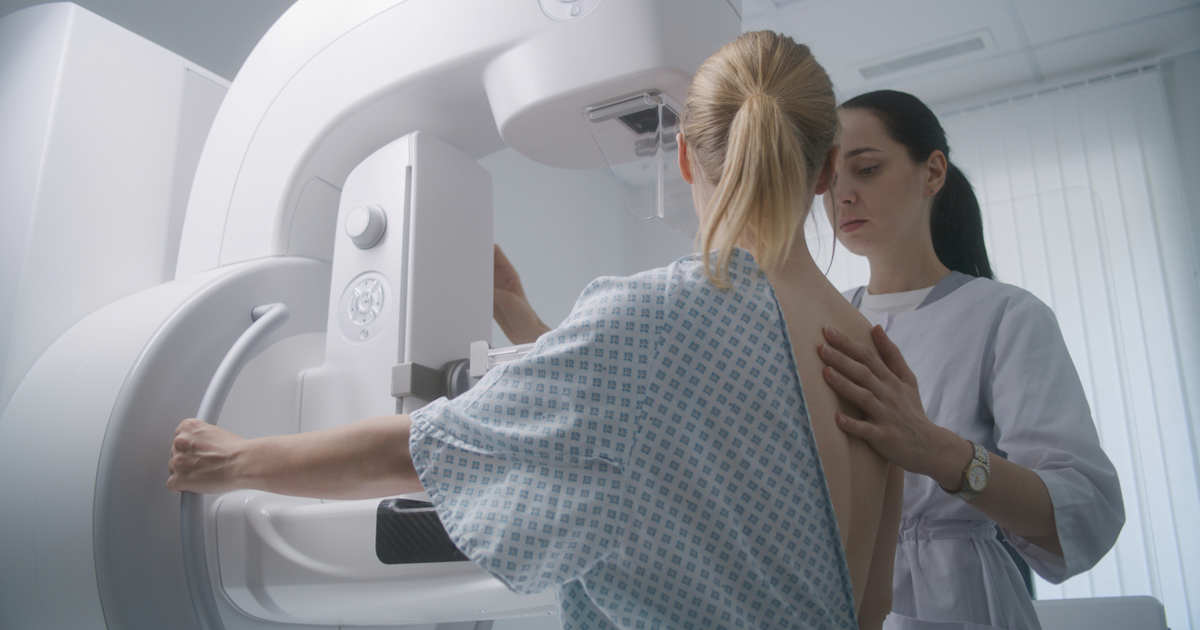
Spain is set to significantly broaden its approach to early disease detection, with the Ministry of Health confirming a major expansion of the national breast cancer screening program. Under the new policy, the age range for routine mammography screenings will be extended to include women between 45 and 74 years of age. This shift marks a departure from the previous standard, which primarily focused on the 50 to 69 age bracket, aiming to capture potential malignancies at earlier, more treatable stages.
As a physician, I have long advocated for evidence-based screening protocols that balance early detection with the risks of over-diagnosis. The decision, officially communicated by the Spanish Ministry of Health (Ministerio de Sanidad), aligns with updated European Union recommendations regarding cancer screening. By lowering the starting age to 45 and extending the upper limit to 74, public health authorities are responding to epidemiological data suggesting that incidence rates remain significant in these demographics.
Understanding the Shift in Screening Protocols
The expansion of the breast cancer screening program is not merely a change in age thresholds; it represents a strategic adjustment in how national health services allocate resources to improve long-term patient outcomes. Breast cancer remains the most frequently diagnosed cancer among women in Spain, and early detection via mammography is widely considered the gold standard for reducing mortality rates.
According to the official guidelines established by the European Commission, the move toward a broader age range is supported by clinical evidence indicating that organized, population-based screening programs are more effective than opportunistic screening. The inclusion of women starting at age 45 addresses a critical window where hormonal changes and breast tissue density often require more nuanced diagnostic approaches. Meanwhile, the extension to age 74 acknowledges an aging population where the benefit of screening continues to outweigh potential risks for many individuals.
Why Early Detection Matters
In clinical practice, we often emphasize that “screening saves lives,” but it is vital to understand the mechanism behind this. Mammography is designed to identify abnormalities, such as microcalcifications or masses, before they become palpable or symptomatic. When a cancer is caught at an early stage—often referred to as Stage I or Stage II—the spectrum of treatment options is typically broader and less invasive, frequently leading to higher survival rates and a better quality of life for the patient.

The transition in Spain is expected to be implemented progressively across the various autonomous communities. Because the Spanish National Health System is decentralized, the specific rollout schedule may vary by region, though the overarching mandate is national. For women currently approaching these age thresholds, the primary advice is to consult with their primary care physician or local health center to verify when their next scheduled screening invitation will arrive.
Key Takeaways for Patients
- Expanded Age Range: The program now covers women from 45 to 74 years old, widening the net for early detection.
- Evidence-Based Policy: The change reflects updated European clinical guidelines aimed at optimizing population-level cancer screening.
- Regional Implementation: While the mandate is national, the logistical rollout is managed by individual autonomous communities; patients should check with their local health authorities for specific appointment timelines.
- Consult Your Physician: If you fall within the new age brackets, speak with your GP to ensure you are registered for the next round of screenings in your area.
Looking Ahead: The Future of Preventive Care
This policy change is a testament to the evolving nature of public health in Europe. As we continue to refine our understanding of oncological risks, the integration of technology and demographic-specific data becomes paramount. The goal is to maximize the sensitivity of these screenings while minimizing the burden on the healthcare system and the psychological impact of false positives on patients.
The Ministry of Health has indicated that this update will be monitored closely to assess its impact on early diagnosis rates and long-term health outcomes. As more data becomes available following the implementation, we can expect further refinements in how these screenings are conducted, and interpreted. For now, the extension serves as a proactive step toward ensuring that more women have access to the diagnostic tools necessary to manage their health effectively.
We will continue to track official updates from the Spanish health authorities as the program matures. If you have questions about your specific eligibility or the screening process in your region, I encourage you to contact your local health clinic, as they remain the most accurate source of information regarding your personal medical pathway. Please feel free to share your thoughts or experiences with the changing screening guidelines in the comments section below.