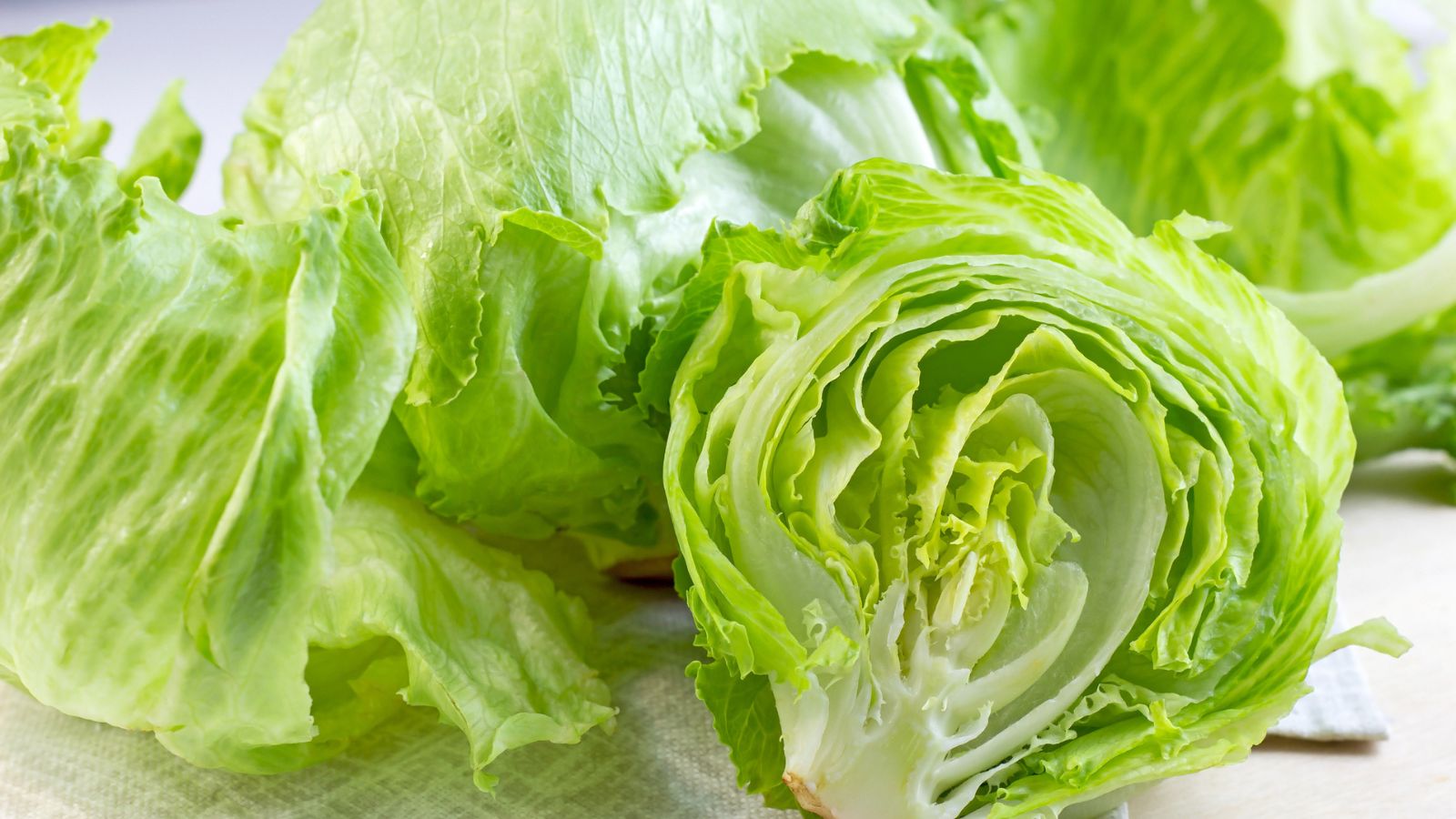
Public health officials have expanded investigations into a multistate foodborne illness outbreak, linking infections to contaminated iceberg lettuce across multiple new regions. According to the U.S. Centers for Disease Control and Prevention, the outbreak involves infections caused by the parasite Cyclospora cayetanensis, prompting public health alerts and intensified tracing efforts by federal and state agricultural authorities.
The foodborne parasite causes an intestinal illness known as cyclosporiasis, typically triggered by consuming contaminated fresh produce. While federal investigators continue tracing the contaminated supply chain, health agencies have urged consumers and food service operators to remain vigilant regarding fresh greens and salads.
Here is what you need to know about the current outbreak, how health authorities are tracking the contamination, and what steps consumers can take to protect themselves.
Geographic Spread and Case Counts in the Cyclospora Outbreak
Recent public health updates indicate that the multi-state outbreak has now active cases confirmed in at least four additional states, bringing the total geographic footprint to a broader region of the country. State health departments, in coordination with the U.S. Food and Drug Administration, are actively interviewing affected individuals to identify common food exposures, with particular focus on pre-packaged and loose iceberg lettuce products distributed to restaurants and grocery stores.
Epidemiologists rely on patient interviews and molecular testing to connect individual cases to the broader event. Because symptoms of cyclosporiasis often do not appear until days or weeks after ingestion, case counts frequently lag behind actual exposure windows. Federal agencies have not yet issued a mandatory nationwide product recall, but supply chain tracing remains active as investigators work to pinpoint the exact farms and processing facilities responsible for the contamination.
Understanding Cyclospora and Symptoms of Cyclosporiasis
Unlike bacterial infections like E. coli or Salmonella, which can multiply rapidly in various environments, Cyclospora cayetanensis is a microscopic parasite that requires time outside a host to become infectious. It is typically spread when food or water is contaminated with fecal matter. Fresh produce consumed raw—such as iceberg lettuce, raspberries, and basil—frequently serves as a vehicle because the parasite clings easily to textured leaves.
According to clinical guidance from public health agencies, the primary symptom of cyclosporiasis is watery diarrhea, often accompanied by severe abdominal cramping, bloating, increased gas, nausea, and fatigue. Some individuals may also experience low-grade fever, weight loss, and body aches. Symptoms generally begin roughly one week after ingestion of the parasite, though the incubation period can range from two to fourteen days.
Healthcare providers typically diagnose the infection through stool sample analysis or specialized molecular tests. Unlike typical bacterial food poisoning that resolves quickly on its own, untreated cyclosporiasis can persist for weeks or even months, often coming and going in waves. Doctors commonly prescribe specific antibiotic regimens, such as trimethoprim-sulfamethoxazole, to clear the infection effectively.
Consumer Safety and Prevention Guidelines
Navigating fresh produce safety during an active parasite outbreak requires careful handling habits in home kitchens and commercial food settings. Because Cyclospora is a hardy parasite, standard kitchen washing methods may not entirely remove or destroy the organism from leafy greens.
Public health authorities emphasize several practical precautions for handling iceberg lettuce and other fresh produce during an ongoing investigation:
- Check official regulatory updates and food safety notices provided by the FDA food safety advisories before purchasing or consuming large-scale commercial iceberg lettuce lots.
- Discard any lettuce or salad mixes that match recalled brand names, lot codes, or packaging descriptions issued by health officials or retailers.
- Thoroughly wash hands with soap and water before and after handling fresh fruits and vegetables to prevent cross-contamination in the kitchen.
- Store perishable produce at or below 40 degrees Fahrenheit (4 degrees Celsius) in refrigerators to inhibit potential microbial growth, though refrigeration does not kill parasites.
- When dining out, consumers can inquire whether establishments are utilizing specific lettuce brands currently under review by health investigators.
Next Steps in Federal and State Investigations
Federal regulators, state public health laboratories, and agricultural inspectors continue to analyze distribution records and environmental samples from implicated farms and processing plants. The FDA and the CDC anticipate releasing updated case counts and further supply chain details as trace-back investigations progress. Consumers experiencing prolonged gastrointestinal symptoms after consuming fresh iceberg lettuce are advised to contact a healthcare professional for diagnosis and treatment options.
Related reading