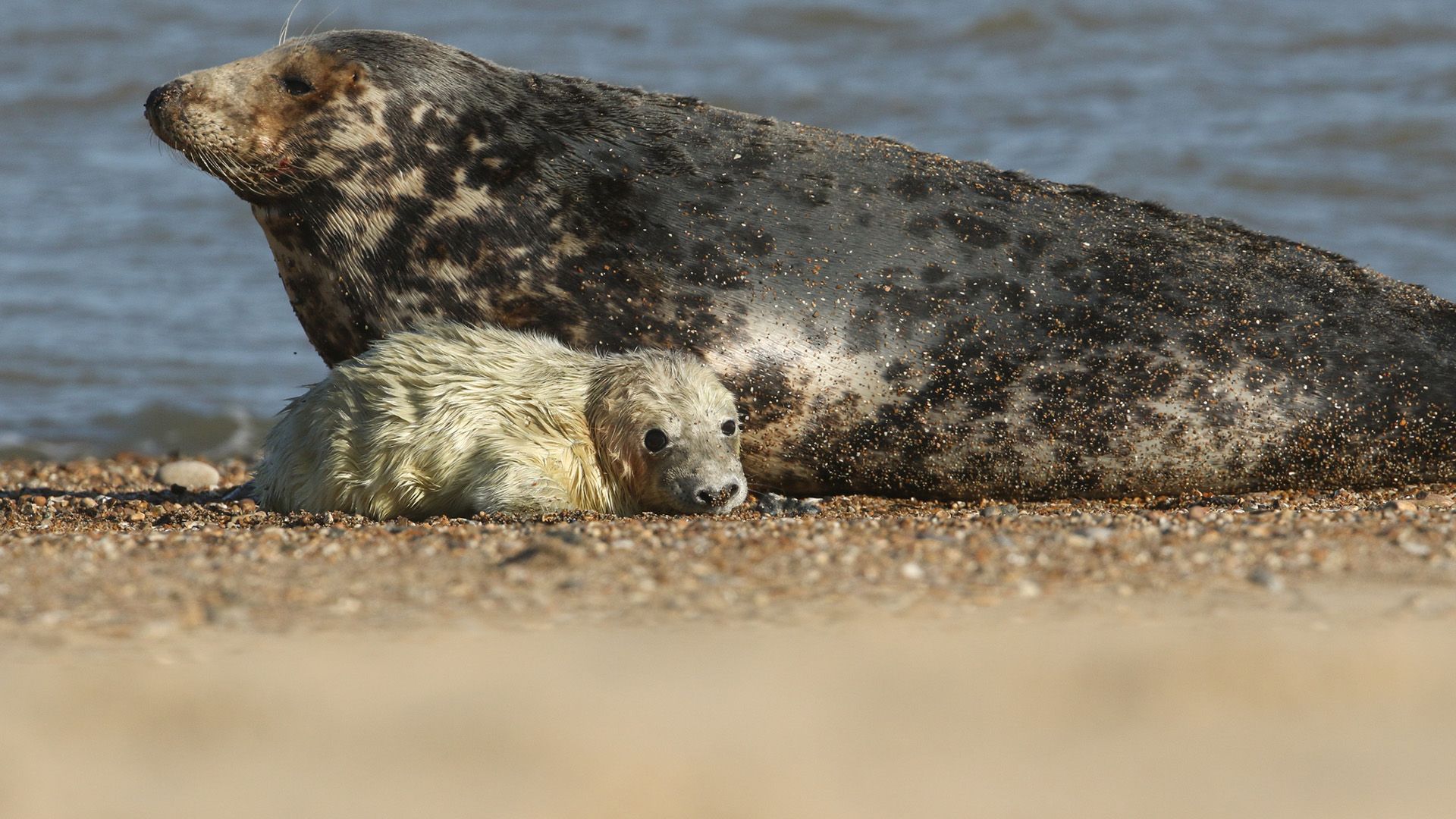
For years, researchers studying gray seal populations in the North Atlantic were confronted with a gruesome and baffling phenomenon: seal pups washing ashore with distinct, spiral-shaped lacerations. These injuries, often described as “corkscrew” wounds, became a subject of intense scientific inquiry as experts sought to understand the cause of these premature deaths. For a long time, the prevailing theories pointed toward external mechanical factors, specifically ship propellers or potential encounters with sharks.
However, modern ecological research has shifted the narrative entirely. Scientists have confirmed that these spiral injuries are not the result of human machinery or oceanic predators, but rather the consequence of intraspecific predation—specifically, attacks by adult male gray seals. This revelation has fundamentally changed how marine biologists view the behavior of these apex predators and the complex social dynamics within their colonies.
Understanding the ‘Corkscrew’ Phenomenon
The term “corkscrew killer” emerged in scientific literature to describe the precise, helical nature of the wounds observed on deceased pups. Initially, the physical evidence was so unusual that investigators struggled to identify a biological culprit. The clean, continuous nature of the cuts suggested a high-speed, circular impact, which naturally led researchers to hypothesize that the seals were being struck by boat blades.
As noted in findings published in journals such as the Marine Mammal Science, researchers eventually utilized forensic pathology and long-term observational data to rule out mechanical causes. By comparing the geometry of the wounds to the teeth and jaw structure of adult gray seals, scientists were able to match the injuries to the biting behavior of the species. This behavior—where an adult male bites the head or back of a smaller animal and rotates its body to tear away blubber—results in the characteristic spiral pattern that had previously been misidentified.
The Ecological Context of Cannibalism
While the term “cannibalism” can be jarring to the general public, in the context of marine biology, it is a recognized, albeit infrequent, survival strategy among certain pinniped populations. The behavior is typically observed in adult male gray seals during the breeding season. Experts suggest that such aggressive interactions may be linked to population density, competition for resources, or hormonal surges during the mating period.
Research conducted by organizations like the Sea Mammal Research Unit (SMRU) at the University of St Andrews has provided critical insight into this behavior. Their work indicates that these incidents are not random acts of violence but are part of a broader, complex behavioral repertoire. By identifying that these deaths are driven by natural biological impulses rather than human activity, conservationists can better manage marine protected areas and focus on broader ecosystem health.
Scientific Implications and Future Monitoring
The confirmation that these injuries are biological in origin has redirected the focus of marine conservation efforts. Previously, concerns over “corkscrew” deaths prompted calls for stricter maritime traffic regulations in areas where seals congregate. With the cause now attributed to adult gray seals, the conversation has shifted toward understanding the population dynamics that trigger such intra-species aggression.
Marine scientists continue to monitor these populations to determine if the frequency of these events correlates with environmental stressors or shifts in the availability of traditional prey. As we learn more about the lives of these animals, the importance of long-term, non-invasive observation becomes increasingly clear. Understanding the natural behavior of gray seals is essential for maintaining the balance of North Atlantic marine ecosystems.
Frequently Asked Questions
Are these injuries common across all seal species?
While gray seals are the primary species associated with this specific type of predatory behavior, it is not a universal trait among all pinnipeds. The behavior is highly specific to the social and reproductive dynamics of the gray seal.

Does this behavior threaten the survival of the species?
Current research suggests that while these incidents are tragic for the individual pups involved, they do not pose a significant threat to the overall population stability of gray seals, which have seen robust growth in many regions.
What should I do if I find a dead seal on the beach?
If you encounter a deceased marine mammal, it is imperative that you do not touch or move the animal. Instead, contact your local marine life rescue organization, environmental protection agency, or the relevant regional wildlife authority. These professionals are trained to handle biohazards and collect data that contributes to ongoing scientific research.
Ongoing research into marine mammal behavior is supported by various national and international agencies. Readers interested in the latest updates on marine life conservation can follow reports from the National Oceanic and Atmospheric Administration (NOAA) or similar regional bodies in Canada and Europe. We encourage our readers to stay informed by engaging with peer-reviewed science and supporting conservation initiatives that rely on verified, evidence-based data.
Dr. Helena Fischer, MD, is the Editor of the Health section at World Today Journal. With over a decade of experience in medical journalism, she specializes in translating complex scientific research into accessible health and environmental news.
Related reading