
The security situation along the Lebanon-Israel border has seen a marked escalation this week, characterized by a cycle of drone incursions and intensified aerial strikes. As tensions remain high, both military and humanitarian stakeholders are navigating the implications of these developments, which have drawn international concern regarding the potential for further regional instability.
For months, the ongoing exchanges of fire between Israeli forces and Hezbollah have defined the landscape in southern Lebanon. These hostilities, which have persisted alongside the broader conflict in Gaza, involve frequent drone deployments and retaliatory airstrikes that have impacted multiple towns and villages in the border region.
Escalation in Southern Lebanon
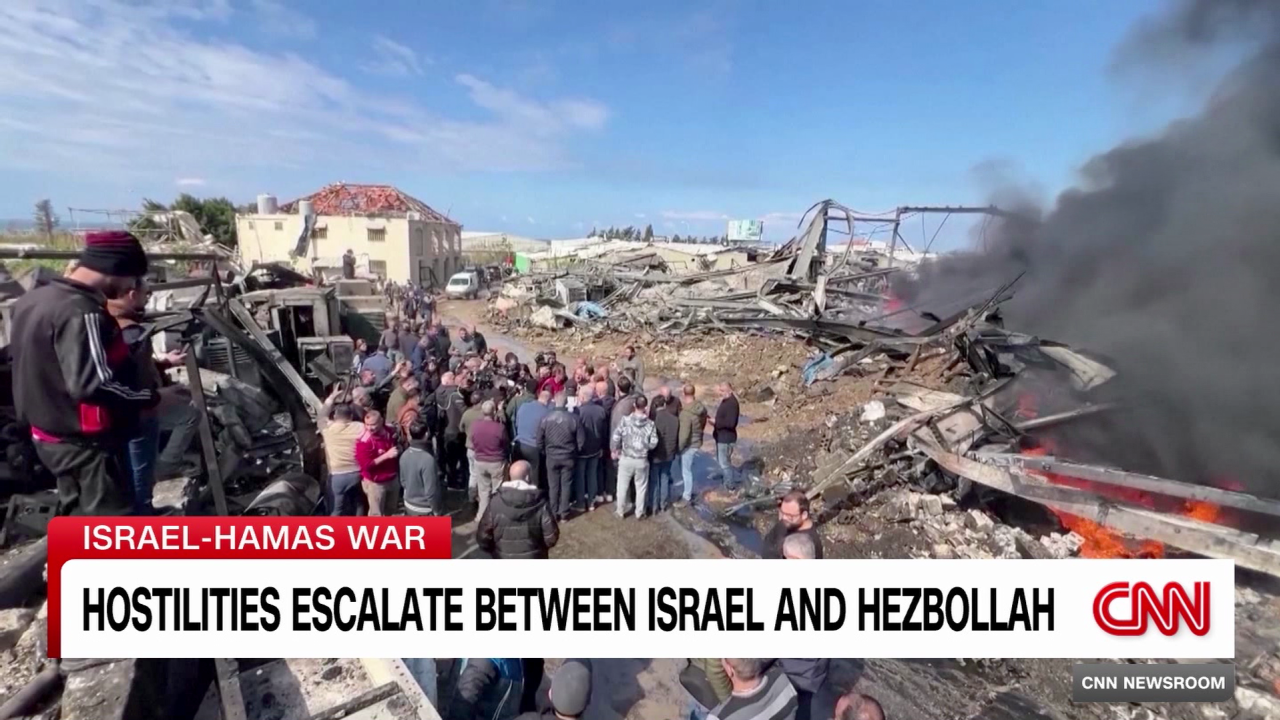
Recent reports indicate that Israeli military operations have targeted various sites in southern Lebanon, with the Israel Defense Forces (IDF) confirming strikes aimed at what they describe as operational targets. These military actions follow a series of cross-border drone launches attributed to Hezbollah, which have triggered sirens across northern Israeli communities, prompting residents to seek shelter in accordance with Home Front Command protocols.

The tactical nature of these engagements often involves high-precision strikes. The IDF has frequently stated that its operations are intended to neutralize threats and dismantle infrastructure used by Hezbollah to conduct surveillance or launch attacks into Israeli territory. Conversely, these strikes have resulted in significant material damage and, according to local reports in Lebanon, have led to civilian and combatant casualties, raising urgent questions about the protection of non-combatants in conflict zones.
Humanitarian Concerns and Regional Impact
The intensity of the aerial campaign has sparked condemnation from Lebanese officials, who have voiced concerns regarding the impact on emergency services and healthcare infrastructure. The targeting of areas near civilian settlements has complicated the humanitarian response, with international observers, including the United Nations, consistently calling for restraint to prevent a wider conflagration.

According to the United Nations Interim Force in Lebanon (UNIFIL), the mission remains committed to maintaining stability along the Blue Line, despite the “challenging and volatile” environment. The mission serves as a critical point of contact for de-escalation efforts, though its ability to influence the strategic decisions of the warring parties remains limited by the intensity of the current hostilities.
Strategic Context and Diplomatic Efforts
The current volatility is inextricably linked to the broader regional tensions involving Iran and its proxies. Diplomats from several nations, including members of the European Union and the United States, have been engaged in ongoing efforts to prevent a full-scale war between Israel and Hezbollah. These diplomatic channels are currently focused on establishing a sustainable ceasefire or, at minimum, a “de-confliction” agreement that would allow civilians to return to their homes on both sides of the border.
However, as noted by geopolitical analysts, the linkage between the Gaza conflict and the northern front makes a localized resolution difficult to achieve. While the U.S. Department of State continues to advocate for a diplomatic solution, the hardening of positions on both sides suggests that the status quo of “controlled escalation” may persist in the short term.
What Lies Ahead
The situation remains fluid, with no immediate signs of a cooling-off period. Residents in the affected areas are advised to monitor official channels for updates. For those seeking information on safety and emergency procedures, the Israeli Home Front Command and the Norwegian Refugee Council’s reporting on Lebanon provide the most reliable assessments of the ground situation.
The next major checkpoint for these developments will likely be the upcoming meetings of the UN Security Council, where the situation in southern Lebanon is expected to be a primary agenda item. We will continue to track these developments as they occur. If you have insights or would like to discuss the broader implications of these events, we encourage you to share your thoughts in the comments section below.
Related reading