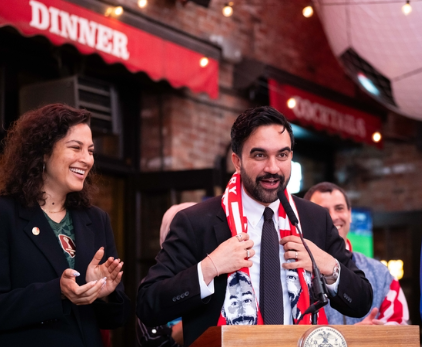
As the world prepares for the 2026 FIFA World Cup this June and July, host cities are finalizing their preparations to welcome millions of global football fans. Among the host locations, New York City has unveiled a significant initiative aimed at ensuring that local residents are not priced out of the historic tournament. Mayor Zohran Mamdani announced that his administration has successfully negotiated a deal with FIFA to provide 1,000 affordable tickets for matches held at MetLife Stadium, priced at just $50 each.
This development marks a notable departure from the standard high-cost primary market for World Cup tickets. According to official reports, the initiative is designed to provide greater access to the tournament for New Yorkers, fulfilling a campaign commitment made by Mayor Mamdani during his mayoral run. The $50 price point represents the lowest available tier for tickets purchased through the tournament’s primary market, and the package includes the added benefit of free round-trip bus travel for attendees as confirmed by local coverage.
Addressing Accessibility in the World Cup Market
The move comes after months of negotiation between the New York City administration and FIFA leadership. Mayor Mamdani previously expressed concern regarding the rising costs of international football events, noting that high ticket prices often threaten to exclude the extremely communities that contribute to the sport’s cultural significance. By securing these 1,000 tickets, the city intends to create a more inclusive environment for fans who might otherwise be unable to attend matches at the tournament’s current market rates.
The tickets will be distributed through a ballot system, restricted exclusively to New York City residents. This “citywide access program” is currently the only initiative of its kind announced for the 2026 tournament, which is being hosted across the United States, Canada, and Mexico. The matches covered by this program at MetLife Stadium include five group-stage fixtures, a round of 32 tie, and a round of 16 game. The final, scheduled for July 19, is not included in this allocation per official reporting on the ticket distribution.
Citywide Support for the 2026 Tournament
Beyond the ticket ballot, the New York City government has launched a series of initiatives to manage the influx of visitors and support the local economy during the tournament. On May 22, 2026, the Mayor’s office, in conjunction with NYC Tourism and the NYNJ Host Committee, announced new programs specifically aimed at supporting small businesses throughout the duration of the World Cup as detailed on the official NYC government portal.
The city is also investing in infrastructure to facilitate movement during the summer. On May 19, 2026, Mayor Mamdani announced the most extensive summer ferry service in the city’s history, featuring new designs for each borough to celebrate the tournament’s arrival. These efforts represent a broader strategy to integrate the World Cup into the daily life of the city while maximizing the economic benefits for local residents and business owners alike.
Key Details of the New York World Cup Initiative
- Ticket Quantity: 1,000 tickets allocated for New York City residents.
- Price: $50 per ticket, the lowest available on the primary market.
- Access: Distributed via a city-run ballot system.
- Inclusions: Each ticket purchase includes complimentary round-trip bus transportation to MetLife Stadium.
- Matches: Includes five group-stage games, one round of 32 match, and one round of 16 match; the final is excluded.
Looking Ahead
As the tournament approaches, residents are encouraged to monitor the official NYC government website for further updates regarding the ballot process, eligibility requirements, and deadlines for application. The city continues to provide daily status updates on municipal services, including transit alerts and public school schedules, which can be accessed through the official nyc.gov portal.
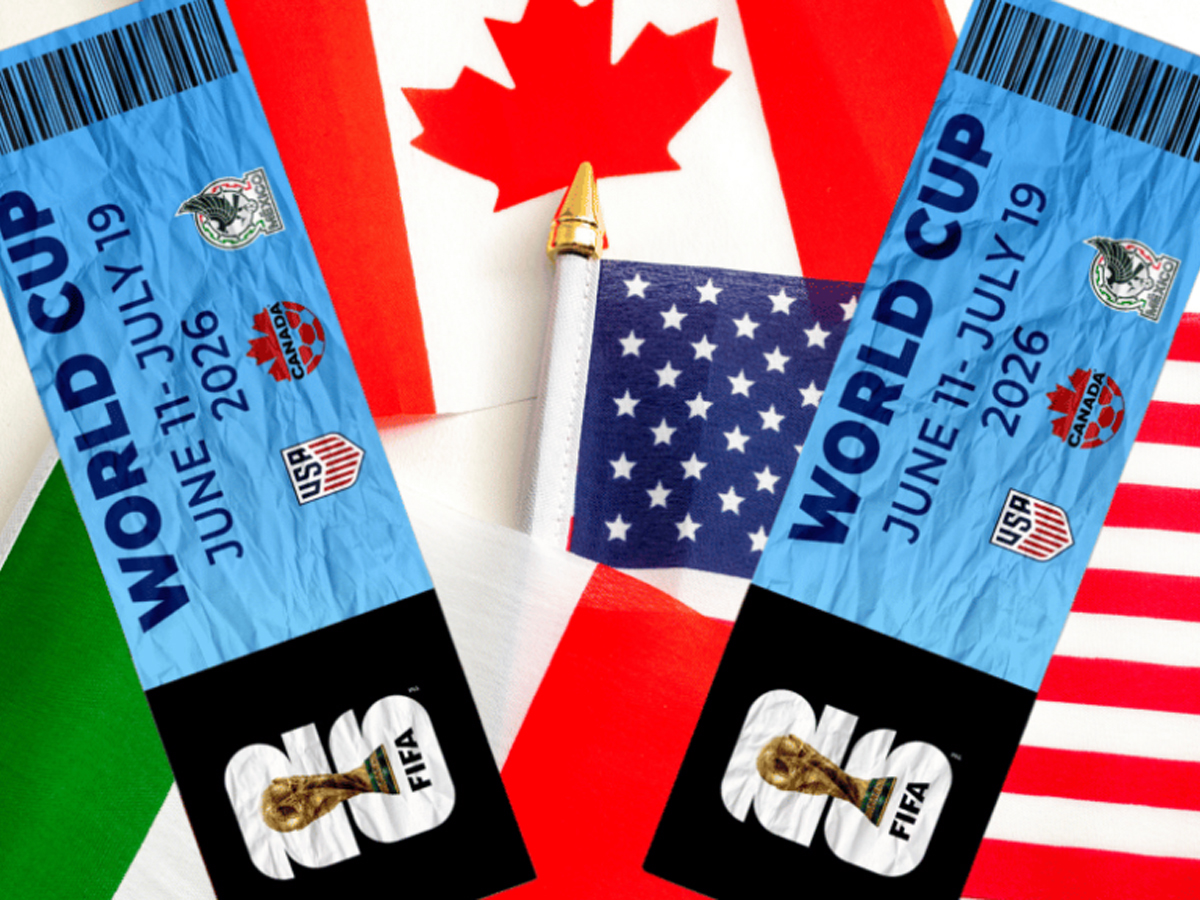
With the opening matches of the 2026 FIFA World Cup fast approaching in June, this initiative serves as a focal point for the city’s ongoing efforts to balance the demands of a global sporting event with the needs of its local population. The administration is expected to release further details on the ballot timeline in the coming weeks. We invite our readers to share their thoughts on this initiative in the comments section below as we continue to track the developments of the 2026 World Cup.
Related reading