
As the integration of robotics into our daily lives accelerates, the intersection of advanced consumer technology and commercial aviation safety is coming under increased scrutiny. Southwest Airlines has recently updated its policies regarding the carriage of human-like and animal-like robots on its flights. This move addresses the growing concern over the potential safety risks posed by the high-capacity lithium-ion batteries often required to power sophisticated robotic systems.
For passengers who enjoy traveling with their technological companions, understanding these evolving Southwest Airlines policies is essential to ensuring a smooth boarding process. The airline, which serves over 100 destinations across the United States and several international territories, maintains strict protocols to protect the safety of its 72,790 employees and millions of passengers, as detailed in its latest operational reports. As of 2026, the company continues to refine its carriage rules to keep pace with rapid advancements in consumer electronics.
The Intersection of Battery Safety and Air Travel
The primary concern cited regarding the transport of advanced humanoid robots involves their power sources. Lithium-ion batteries, while efficient for mobile electronics, present unique challenges in the pressurized, enclosed environment of a commercial aircraft. Because these batteries contain flammable electrolytes, they are subject to rigorous safety regulations set by aviation authorities to mitigate the risk of thermal runaway and potential fire hazards.
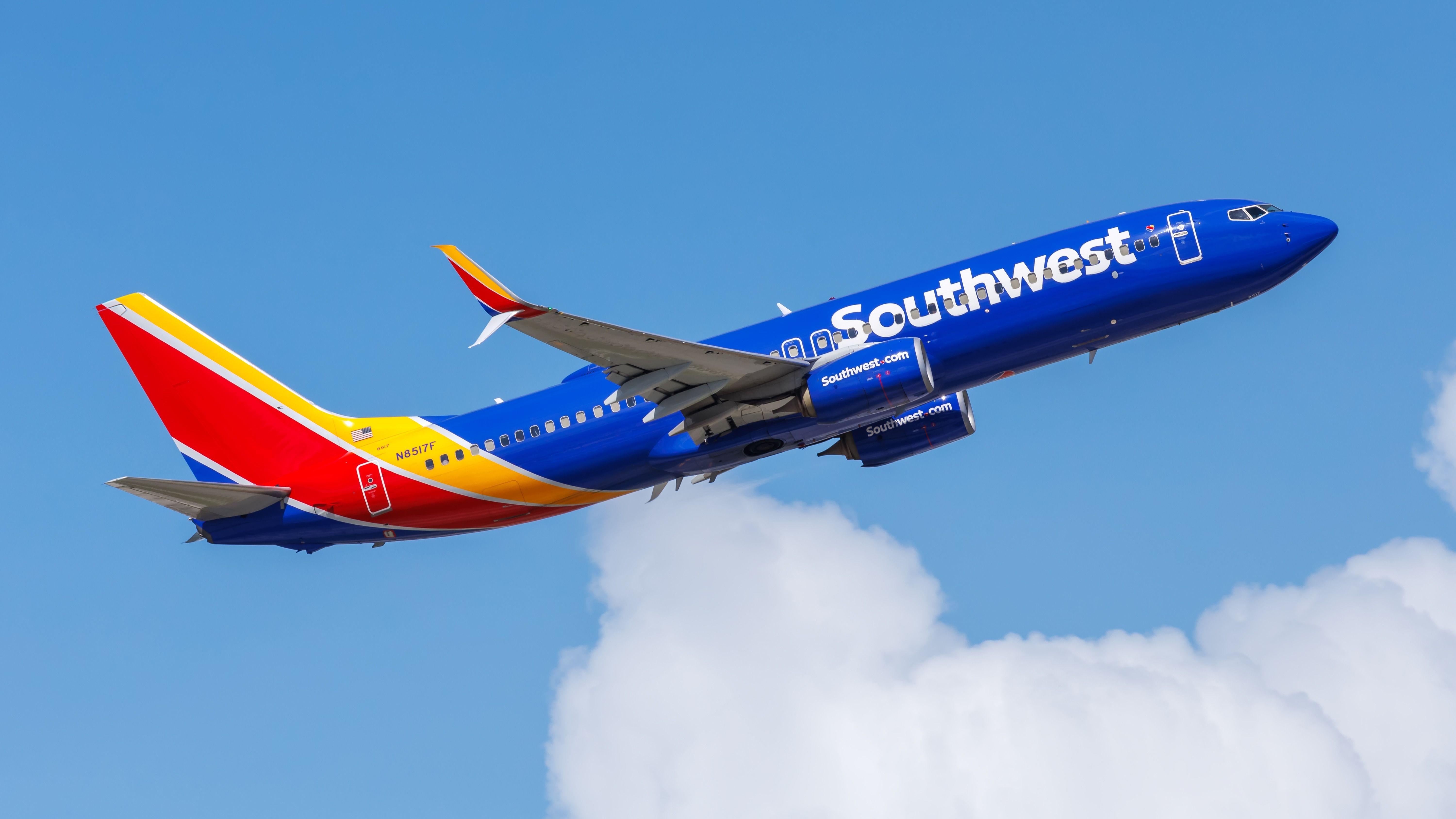
Southwest Airlines, like many major carriers, operates under guidelines that prioritize the mitigation of hazardous materials in the cabin. When a device—such as a humanoid robot—utilizes large-format lithium batteries to facilitate complex movement and autonomous interaction, it may exceed the energy density thresholds typically permitted for carry-on or checked items. Passengers are encouraged to review the airline’s official baggage and hazardous materials policies before arriving at the airport to avoid issues at the gate.
What This Means for Tech Enthusiasts
For those of us in the tech community, this development is a reminder that the rapid evolution of robotics is outpacing the standardization of travel regulations. While the sight of a humanoid robot in a transit lounge might seem like a glimpse into the future, the practicalities of aviation safety remain rooted in strict physical constraints. The weight, size, and electrical output of these devices are all factors that gate agents must consider during the boarding process.
If you are planning to travel with any specialized electronic equipment, including advanced robotics or experimental hardware, it is advisable to contact the airline directly well in advance of your flight. Ensuring your device complies with current safety mandates—or arranging for alternative shipping methods—is the most effective way to prevent travel disruptions. The airline’s commitment to maintaining a consistent standard across its fleet of 810 Boeing 737 aircraft ensures that these safety procedures are applied uniformly across all its operating bases, from its headquarters at Love Field in Dallas to its busiest international hubs.
Key Considerations for Travelers
- Check Battery Ratings: Always verify the watt-hour (Wh) rating of your device’s batteries. Most aviation authorities have specific caps on the capacity of lithium-ion batteries allowed on board.
- Consult Official Guidance: Rely exclusively on the official airline website for the most current information regarding restricted items.
- Advanced Notification: For non-standard items, contact the airline’s customer service department to discuss potential accommodations or necessary documentation.
As we continue to monitor the impact of these policies on the tech landscape, the aviation industry is taking a cautious approach to new categories of consumer hardware. We will continue to track updates to these policies as they are released by major carriers. For now, the focus remains on maintaining the highest levels of cabin safety for all travelers. Please share your thoughts or experiences with traveling with high-tech equipment in the comments below.