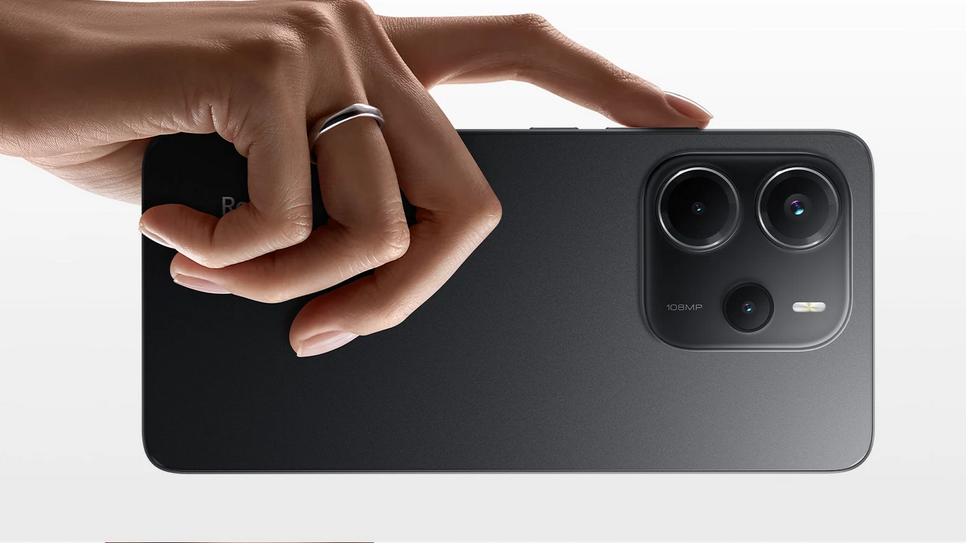
As the smartphone market continues to shift toward premium-tier hardware and AI-integrated ecosystems, industry watchers are closely monitoring how major manufacturers navigate their product lineups. Recently, speculation has intensified regarding the future of Xiaomi’s mobile offerings, particularly as the company pivots toward a more streamlined, high-performance strategy. For consumers and tech enthusiasts, understanding these shifts is essential to anticipating the next generation of mobile technology.
The conversation surrounding the potential restructuring of the Xiaomi product portfolio reflects a broader trend among global electronics leaders. As of May 2026, Xiaomi Corporation maintains its position as the third-largest smartphone seller worldwide, according to official company data and 2025 market assessments. With over 754.1 million global monthly active users, the company’s decisions regarding its mid-range and premium series carry significant weight for a vast consumer base, as detailed in the official corporate profile for Xiaomi.
Shifting Priorities in the Xiaomi Ecosystem
Xiaomi has increasingly focused its innovation efforts on the integration of its proprietary operating system, Xiaomi HyperOS, and high-performance hardware platforms. The company’s recent announcements, including the upcoming launch event scheduled for May 28, 2026, in Vienna, underscore a transition toward what it describes as a revolutionary imaging tool and power-efficient mobile platforms. By prioritizing the Snapdragon 8 Elite Mobile Platform and advanced hardware durability—such as the inclusion of Corning Gorilla Glass Victus 2—Xiaomi appears to be consolidating its resources to compete at the highest levels of the consumer electronics sector.
This strategic realignment often necessitates difficult decisions regarding legacy series. While rumors regarding the status of specific mid-range lines have circulated for some time, the company has consistently emphasized its commitment to “essential” user experiences. As noted in industry reports, the company previously navigated market challenges by streamlining its generation cycles, a move designed to sharpen its competitive edge against other major global players.
The Role of HyperOS and AI Innovation
A core component of Xiaomi’s current trajectory is the expansion of its software ecosystem. The transition from MIUI to Xiaomi HyperOS was a pivotal moment for the brand, intended to unify its mobile phones, IoT devices, and electric vehicles under a single, cohesive interface. This focus on software-hardware synergy is now being augmented by an aggressive push into artificial intelligence. Developments like the Xiaomi Vision GT and new AI-integrated glasses suggest that the company is looking beyond the traditional smartphone form factor to sustain its growth.

For users, this means that the “essential” experience is being redefined. Photography, in particular, remains a focal point, with the company’s ongoing collaboration with Leica and the hosting of the Xiaomi Imagery Global Awards 2026 highlighting its intent to dominate the mobile imaging space. By concentrating its R&D budget on these high-impact areas, Xiaomi is effectively prioritizing its flagship and “Ultra” tiers over the high-volume, lower-margin devices that once defined its market entry.
What This Means for Global Consumers
For the average consumer, the potential retirement or restructuring of a specific product line is not merely a change in branding; it represents a shift in the availability of certain price-to-performance ratios. However, Xiaomi’s diversified portfolio—which includes sub-brands like Redmi and POCO—ensures that the company can continue to serve a wide range of market segments even if it chooses to consolidate its primary Xiaomi-branded offerings.
As of May 2026, the company continues to report robust financial health, with recent annual revenue reaching CN¥365.906 billion, as verified by publicly available corporate filings. This financial stability allows the company to absorb the risks associated with pivoting its product strategy. Whether the company chooses to phase out a specific series or simply rebrand its mid-range efforts, the overarching goal remains the same: capturing a larger share of the premium market while maintaining the massive user base it has built over the last 16 years.
Looking Ahead: The Path to the Next Launch
As we approach the May 28, 2026, launch event in Vienna, the tech community is waiting for concrete details on the next generation of hardware. With the company highlighting features like the 6500mAh battery and 100W HyperCharge, Xiaomi is doubling down on the “powerfully productive” narrative. The focus will likely remain on how these hardware improvements integrate with the latest version of HyperOS to provide a seamless user experience across the company’s vast product ecosystem.
We will continue to track these developments as they unfold. For those interested in the latest official updates, the official Xiaomi global website remains the primary source for product announcements and event details. We encourage our readers to share their thoughts on these industry shifts in the comments section below.